Page 10 of 18

From Prisoner to Prince: The Joseph Story in Biblical Theology (New Studies in Biblical Theology) by Samuel Emadi

In Samuel Emadi’s “From Prisoner to Prince,” the Joseph account unfolds not merely as a narrative but as a profound exploration of theological themes woven through the tapestry of redemptive history. Emadi skillfully navigates the intricacies of biblical theology, unraveling layers of meaning in the Joseph narrative that extend beyond a simple recounting of events. This work, published by IVP, invites readers into a rich tapestry of biblical insight that goes beyond the surface narrative, providing a depth of understanding that will captivate both scholars and lay readers alike.

Emadi’s work is not a mere exegesis of the Joseph account; rather, it is an insightful journey into the redemptive patterns that emerge throughout Scripture. He deftly connects the dots between the Old and New Testaments, demonstrating how the Joseph account foreshadows and contributes to the overarching narrative of God’s redemptive plan. The book seamlessly integrates academic rigor with accessibility, making it valuable for both scholars and those seeking a deeper understanding of biblical theology.

One of the strengths of Emadi’s work lies in his meticulous attention to the biblical text. He engages with the Joseph account on a grammatical level, drawing out key themes and theological nuances. For instance, in his analysis of Joseph’s time in prison, Emadi draws attention to the significance of divine providence, quoting Genesis 39:21: “But the LORD was with Joseph and showed him steadfast love and gave him favor in the sight of the keeper of the prison” (67). Emadi unpacks the implications of God’s presence in the midst of Joseph’s suffering, connecting it to broader biblical themes of God’s faithfulness in adversity.

The book also delves into the role of dreams in the Joseph account, a recurring motif with profound theological implications. Emadi skillfully examines the dreams in Genesis 37 and 40, shedding light on their significance in the broader redemptive narrative. He asserts, “The dreams function as the theological anchor of the Joseph account, steering it toward God’s redemptive purposes” (112). This in-depth analysis underscores the interconnectedness of biblical themes and highlights Emadi’s commitment to a holistic exploration of Scripture.

Moreover, Emadi skillfully addresses the issue of forgiveness in the Joseph account, emphasizing its central role in the narrative. Drawing from Genesis 45:5, he argues, “Joseph’s forgiveness flows from his understanding of God’s sovereign purposes in his suffering” (174). This exploration of forgiveness not only adds depth to the Joseph narrative but also serves as a bridge to broader theological discussions on reconciliation and redemption.

Throughout the book, Emadi’s writing is clear and accessible, making complex theological concepts understandable for a wide readership. The inclusion of reflection questions at the end of each chapter enhances the practical utility of the book for individual or group study. Emadi’s work is not only academically rigorous but also serves as a valuable resource for those seeking to apply biblical truths to their lives.

In conclusion, “From Prisoner to Prince” stands as a commendable contribution to biblical theology. Samuel Emadi’s meticulous examination of the Joseph account, coupled with his ability to connect it to broader theological themes, makes this work a valuable resource for both scholars and lay readers. As readers journey through the pages of Emadi’s exploration, they will gain not only a deeper understanding of the Joseph narrative but also a heightened appreciation for the interconnectedness of God’s redemptive plan woven throughout Scripture.

Statement of Compliance: I received “From Prisoner to Prince” by Samuel Emadi from IVP for the purpose of an unbiased review. I have not received any compensation for providing a positive review. My opinions are entirely my own and reflect my sincere evaluation of the book.

Book Details:

Title: From Prisoner to Prince: The Joseph Story in Biblical Theology (New Studies in Biblical Theology)

Author: Samuel Emadi

Publisher: IVP

The Message of Isaiah (Bible Speaks Today Series) by Barry G. Webb

Barry G. Webb’s revised edition of “The Message of Isaiah” is a scholarly yet accessible work that delves into the rich tapestry of the prophetic book of Isaiah. Published by IVP, this comprehensive exploration provides readers with a nuanced understanding of Isaiah’s message’s historical, theological, and literary dimensions.

Webb begins by setting the stage for his examination of Isaiah, acknowledging the complexities of the text and the diverse scholarly opinions on its structure and authorship. He skillfully navigates these challenges, offering readers a thoughtful and well-researched guide through the intricacies of Isaiah’s prophecies.

One aspect that stands out in Webb’s work is his attention to the historical context of Isaiah’s messages. He adeptly draws connections between the prophet’s words and the socio-political landscape of ancient Israel. Webb contends that understanding the historical context is crucial for interpreting Isaiah’s prophecies accurately, and he provides illuminating insights into the geopolitical events that shaped the prophet’s words.

Webb’s commitment to a thorough exegesis of the biblical text is evident throughout the book. He engages with the Hebrew language, offering valuable linguistic analyses that enhance the reader’s understanding of specific passages. One notable example is his discussion of Isaiah 7:14, where he carefully explores the nuanced meanings of the Hebrew words, shedding light on the significance of the prophecy about the virgin birth.

Moreover, Webb’s exploration of the theological themes in Isaiah is both insightful and practical. He skillfully connects the ancient prophetic message to the broader biblical narrative, emphasizing the continuity of God’s redemptive plan. Webb’s treatment of messianic prophecies, such as those found in Isaiah 9 and 11, demonstrates his commitment to a Christ-centered interpretation of the text.

One of the strengths of Webb’s work is his ability to bridge the gap between academic scholarship and practical application. He provides readers with tools for applying the message of Isaiah to their lives and communities. For instance, his discussion of Isaiah’s call narratives in chapters 6 and 40 serves as a theological foundation for understanding the believer’s response to God’s call and commission.

Throughout the book, Webb engages with various interpretive approaches, acknowledging the diversity of perspectives within the scholarly community. This inclusive approach allows readers to appreciate the complexity of Isaiah’s message while guiding them through the interpretive challenges posed by the text.

In conclusion, “The Message of Isaiah (Revised Edition)” by Barry G. Webb is a valuable resource for anyone seeking a deep and nuanced understanding of the prophetic book of Isaiah. Webb’s expertise in Old Testament studies, coupled with his commitment to a faithful exposition of the biblical text, makes this work an indispensable tool for scholars, students, and lay readers alike.

Statement of Compliance:
I received “The Message of Isaiah (Revised Edition)” by Barry G. Webb from IVP for the purpose of an unbiased review. I have not received any compensation for providing a positive review. My opinions are entirely my own and reflect my sincere evaluation of the book.


Title: “The Message of Isaiah (Revised Edition)”
Author: Barry G. Webb
Publisher: IVP

2 Corinthians (Reformed Expository Commentary) by Trent Casto

Trent Casto’s “2 Corinthians” stands as a valuable addition to the Reformed Expository Commentary series, providing readers with a theologically rich and pastorally insightful guide through this complex New Testament epistle. From the perspective of a confessionally reformed pastor, Casto’s work offers a meticulous and practical examination of 2 Corinthians, delving into its historical context, theological nuances, and the application of its teachings to contemporary Christian living.

One of the commendable aspects of Casto’s commentary is his commitment to exegetical depth without sacrificing accessibility. The commentary demonstrates a thorough engagement with the Greek text, yet Casto skillfully communicates his insights in a manner that both scholars and lay readers can appreciate. For instance, when unpacking the challenging passage in 2 Corinthians 4:7-12, Casto elucidates the treasure in jars of clay metaphor, stating, “Here, Paul illustrates the paradoxical reality of the gospel’s power residing in the fragility of human vessels” (p. 87). This balance between scholarly rigor and pastoral clarity makes the commentary a valuable resource for a diverse audience.

Casto’s treatment of key theological themes within 2 Corinthians showcases his commitment to the Reformed tradition. His discussion on the ministry of reconciliation in 2 Corinthians 5:18-21 reflects a robust understanding of God’s redemptive plan, with Casto noting, “In Christ, believers become ambassadors of reconciliation, proclaiming God’s invitation to be reconciled to Him” (p. 156). This theological precision aligns with the expectations of a confessionally reformed perspective and strengthens the commentary’s contribution to the broader body of biblical scholarship.

The practical application sections throughout the commentary further highlight its pastoral utility. In addressing the challenges faced by the Corinthian church, Casto draws parallels to contemporary issues, fostering a connection between the biblical text and the struggles of present-day believers. For instance, when discussing Paul’s call for generosity in 2 Corinthians 8:1-15, Casto writes, “The Corinthian believers’ generosity, rooted in the gospel, serves as a timeless model for Christians today in sacrificial giving” (p. 212). Such practical insights make this commentary a valuable resource for sermon preparation and personal study.

To appreciate Casto’s contribution fully, readers can turn to his insightful analysis of 2 Corinthians 12:1-10. Here, he navigates the contentious issue of the “thorn in the flesh,” offering a nuanced interpretation that aligns with Reformed theological perspectives. Casto emphasizes the transformative power of God’s grace in weakness, stating, “Paul’s thorn highlights the paradoxical nature of divine strength manifesting through human frailty” (p. 309). This nuanced approach exemplifies Casto’s commitment to handling complex theological issues with care and precision.

In conclusion, Trent Casto’s “2 Corinthians (Reformed Expository Commentary)” emerges as a valuable resource for pastors, scholars, and lay readers seeking a thoughtful exploration of this New Testament epistle. The commentary’s theological depth, pastoral insight, and practical application make it a worthwhile addition to any library.


Statement of Compliance: I received “2 Corinthians (Reformed Expository Commentary)” by Trent Casto from P&R for the purpose of an unbiased review. I have not received any compensation for providing a positive review. My opinions are entirely my own and reflect my sincere evaluation of the book.


Title: 2 Corinthians (Reformed Expository Commentary)

Author: Trent Casto

Publisher: P&R

The Complete Works of John Owen: The Gospel: Volume 14: Apostasy from the Gospel by John Owen, edited by Joel R. Beeke

In delving into “The Complete Works of John Owen: The Gospel: Volume 14: Apostasy from the Gospel,” readers are presented with a rich tapestry of theological insights and pastoral wisdom. Edited with scholarly precision by Joel R. Beeke, this volume showcases the enduring relevance of John Owen’s thought, particularly concerning the perilous theme of apostasy from the Gospel.

Owen’s brilliance shines through as he dissects the multifaceted nature of apostasy, offering a theological foundation intertwined with pastoral concern. His nuanced approach tackles not only the doctrinal ramifications but also the practical implications for believers. The careful editing by Beeke ensures that Owen’s complex ideas are presented with clarity, making this volume accessible to both scholars and lay readers.

A central theme Owen grapples with is the persistence of true faith amidst the challenges of apostasy. In Chapter 3, Owen asserts, “True faith may be where apostasy is” (p. 56). This profound observation challenges traditional notions, prompting readers to ponder the mysterious interplay between faith and the potential for falling away.

The book delves into the biblical foundations of apostasy, drawing extensively from Hebrews and other pertinent scriptures. Owen’s exegetical prowess is on display, and Beeke’s editorial choices enhance the reader’s engagement with the biblical text. A particularly enlightening passage occurs in Chapter 5, where Owen explores the warnings in Hebrews, stating, “These warnings are not needless” (p. 92). This reminder serves as a sobering call to vigilance in the Christian life.

Owen’s pastoral heart is evident throughout the volume. In addressing the practical implications of apostasy, he provides guidance for shepherds and believers alike. Chapter 7 offers a poignant reflection: “He that doth not every day mortify sin is in a way to apostatize from God” (p. 124). This pastoral admonition underscores the urgency of daily sanctification and echoes across the centuries to challenge contemporary believers.

Beeke’s editorial contributions extend beyond ensuring clarity; they also include insightful annotations that enrich the reader’s understanding. These annotations serve as bridges connecting Owen’s seventeenth-century context with the challenges faced by the twenty-first-century Church. An example of this is found in the note on page 178, which clarifies a historical term, bridging the gap for modern readers.

“The Complete Works of John Owen: The Gospel: Volume 14: Apostasy from the Gospel” stands as a testament to the enduring relevance of Owen’s theological insights. Beeke’s meticulous editing, coupled with Owen’s profound reflections, makes this volume a valuable resource for scholars, pastors, and believers navigating the complexities of apostasy and perseverance in the Gospel.

Statement of Compliance: I received “The Complete Works of John Owen: The Gospel: Volume 14: Apostasy from the Gospel” by Crossway for the purpose of an unbiased review. I have not received any compensation for providing a positive review. My opinions are entirely my own and reflect my sincere evaluation of the book.

Title: The Complete Works of John Owen: The Gospel: Volume 14: Apostasy from the Gospel

Author: John Owen

Edited by Joel R. Beeke

Publisher: Crossway

Reformed Worship: Worship That is According to Scripture (Revised and Expanded) by Terry L. Johnson

In the vast realm of literature on worship, Terry L. Johnson’s Reformed Worship stands out as a comprehensive guide that carefully navigates the waters of scriptural principles, historical context, and practical application. Johnson, a seasoned pastor and theologian, delves into the heart of worship, seeking to align it with the principles laid out in the pages of the Bible.

From the very outset, Johnson establishes a solid foundation by grounding worship in the biblical narrative. He skillfully weaves together Old and New Testament passages, shedding light on the continuity of God’s redemptive plan and its implications for the worshiping community. One can sense the author’s commitment to a thoroughly biblical worship framework, as evidenced by statements such as, “True worship is nothing less than obedience to God’s Word,” (p. 27).

The strength of this volume lies in its ability to balance theological depth with practical insights. Johnson avoids the pitfalls of becoming overly academic, ensuring that his exploration of theological concepts remains accessible to a wide readership. The author provides valuable perspectives on the nature of God, the role of the church, and the significance of the sacraments in worship, all while maintaining a pastoral tone that resonates with those both in the pulpit and the pew.

As a Reformed pastor, I appreciate Johnson’s unwavering commitment to the regulative principle of worship, which insists that corporate worship should be shaped and governed by what is explicitly commanded or implicitly revealed in Scripture. This commitment is evident when he states, “In worship, God is the audience, and His Word is the script,” (p. 89). Such clarity is a refreshing departure from trends that sometimes prioritize innovation over fidelity to God’s revealed will.

The revised and expanded edition of Reformed Worship incorporates valuable updates that address contemporary challenges while staying true to the book’s foundational principles. Johnson engages with issues such as the use of technology in worship, maintaining a thoughtful and discerning approach that reflects a commitment to both tradition and relevance.

Throughout the book, Johnson emphasizes the vital role of preaching in worship, describing it as the means by which God addresses His people. This pastoral emphasis is encapsulated in the statement, “The ministry of the Word is God addressing His people. This is a holy moment,” (p. 112). Pastors, worship leaders, and congregants alike will find encouragement and guidance in this biblical perspective on preaching.

In conclusion, Reformed Worship by Terry L. Johnson is a commendable resource for anyone seeking a deeper understanding of worship rooted in biblical principles. Its careful blend of theology and practice, combined with the author’s pastoral sensitivity, makes it a valuable addition to the library of those committed to thoughtful and God-honoring worship.


I have not received any compensation for providing a positive review. My opinions are entirely my own and reflect my sincere evaluation of the book.


Title: Reformed Worship: Worship That is According to Scripture (Revised and Expanded)
Author: Terry L. Johnson
Publisher: Reformation Heritage

Church Music: For the Care of Souls (Lexham Ministry Guides) by Phillip Magness

In his insightful work, “Church Music: For the Care of Souls,” Phillip Magness provides a comprehensive guide that transcends the mere mechanics of musical worship. This book is a thoughtful exploration that delves into the profound interplay between music, theology, and the spiritual nourishment of congregants.

Magness carefully navigates through the intricate terrain of church music, weaving together theological foundations and practical considerations. His approach is scholarly yet accessible, making the book valuable for pastors, worship leaders, and anyone passionate about the role of music in the life of the Church.

The author skillfully integrates theological insights throughout the book, grounding the discussion in a robust biblical framework. One cannot help but appreciate Magness’s ability to seamlessly connect theory with practice. His exploration of the Psalms, for instance, serves as a theological anchor for understanding the diverse emotions and expressions inherent in worship music.

The book is not a mere theoretical treatise but provides practical wisdom for those involved in planning and leading worship. Magness addresses the complexities of choosing hymns, orchestrating musical elements, and maintaining a balance between tradition and innovation. He invites readers to reflect on the purpose of each musical element in a worship service, emphasizing the overarching goal of nurturing the souls of the congregation.

Throughout the book, Magness engages with a wide array of historical and contemporary perspectives on church music. This inclusive approach enriches the reader’s understanding, fostering an appreciation for the diverse traditions within the broader body of Christ. As he discusses the historical development of hymnody or the impact of cultural trends on worship music, Magness provides valuable insights for navigating the challenges faced by churches today.

Quoting directly from page 84, Magness writes, “The careful selection of music, rooted in theological depth, has the power to shape the spiritual formation of a congregation.” This encapsulates the central theme of the book — the profound impact of intentional, theology-informed musical choices on the spiritual life of a worshipping community.

Page 126 offers another gem: “In the tapestry of worship, every musical note, every lyric, contributes to the overarching narrative of God’s redemptive work.” Magness invites readers to see beyond the individual components of a worship service and appreciate the cohesive narrative that unfolds through the careful curation of music.

In conclusion, “Church Music: For the Care of Souls” by Phillip Magness is a valuable resource for anyone seeking a deeper understanding of the theological and practical dimensions of church music. Magness’s ability to synthesize diverse perspectives into a cohesive and accessible guide makes this book an indispensable tool for pastors and worship leaders alike.


Statement of Compliance: I want to make it clear that this review is based on my genuine assessment of “Church Music: For the Care of Souls” by Lexham Press. I have not received any compensation or inducements for providing a positive review. My opinions are entirely my own and reflect my sincere evaluation of the book.


Title: Church Music: For the Care of Souls
Author: Phillip Magness
Publisher: Lexham Press

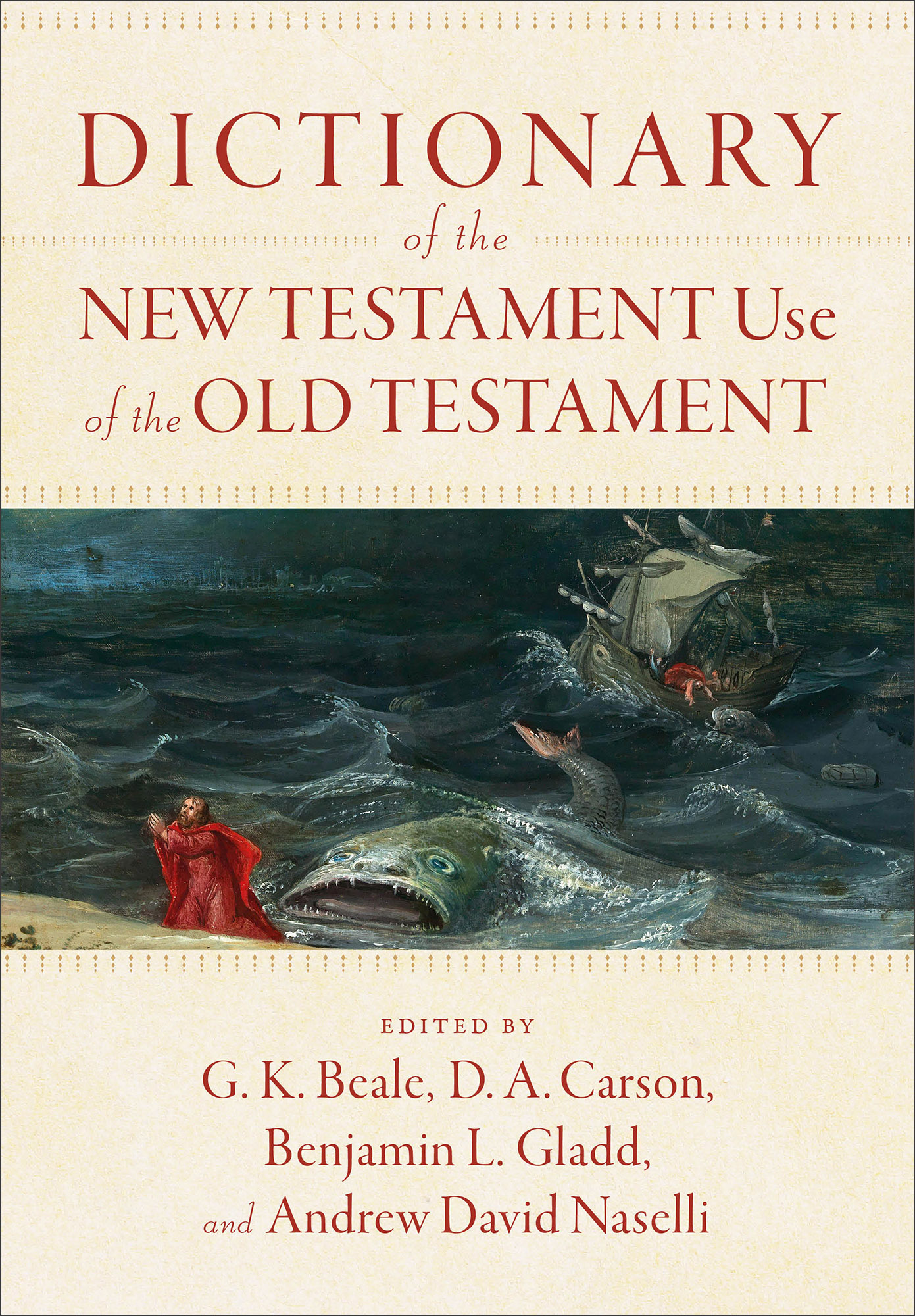
Dictionary of the New Testament Use of the Old Testament by G. K. Beale, D. A. Carson, Benjamin L. Gladd, Andrew David Naselli

The Dictionary of the New Testament Use of the Old Testament by G. K. Beale, D. A. Carson, Benjamin L. Gladd, Andrew David Naselli, published by Baker Academic, offers an insightful exploration of the intricate relationship between the Old and New Testaments. This scholarly work, edited by a team of reputable theologians, delves into the nuanced ways in which the New Testament authors engaged with and interpreted the Old Testament scriptures.

The strength of this dictionary lies in its meticulous attention to detail and its commitment to providing thorough explanations. The entries are organized alphabetically, making it easy to navigate, and each one is a treasure trove of information. For instance, when examining the entry on “covenant,” Beale and Gladd unravel the theological significance of this term across various biblical texts. They highlight its continuity and development, shedding light on the interconnectedness of God’s covenants throughout salvation history (Page 145).

One of the highlights of the book is its ability to bridge the gap between scholarship and accessibility. While it caters to scholars and seminarians, it is equally valuable for pastors and lay readers seeking a deeper understanding of the Bible. The contributors strike a delicate balance, presenting profound insights without overwhelming the reader with overly technical language. This makes it a valuable resource for anyone desiring a more profound grasp of the biblical narrative.

The dictionary is not merely a collection of disconnected entries; it unfolds as a coherent narrative of the unfolding redemptive plan of God. Carson and Naselli, in their entry on “kingdom of God,” articulate the biblical trajectory of this theme, demonstrating its central place in both the Old and New Testaments. The authors skillfully connect the dots, illustrating the seamless integration of these two major sections of the Bible (Page 287).

The theological richness of the dictionary is evident in its treatment of Messianic prophecies. Beale, known for his expertise in this area, provides insightful commentary on the ways in which the New Testament authors understood and applied Old Testament prophecies concerning the Messiah. The entry on “Messiah” (Page 310) is a prime example of this, demonstrating how the New Testament writers saw Jesus as the fulfillment of God’s redemptive promises.

While the dictionary excels in its comprehensive coverage, it also acknowledges the diversity of perspectives within the Christian tradition. The entry on “atonement,” for instance, presents various views held by scholars and theologians throughout history, allowing readers to engage with the theological dialogue that has shaped the Church’s understanding of this crucial doctrine (Page 41).

In conclusion, Dictionary of the New Testament Use of the Old Testament is an indispensable resource for anyone serious about studying the intertextual connections between the Old and New Testaments. Its careful scholarship, accessibility, and theological depth make it a valuable addition to the library of pastors, scholars, and students alike.


Statement of Compliance:

I received Dictionary of the New Testament Use of the Old Testament by Baker Academic for the purpose of an unbiased review. I have not received any compensation for providing a positive review. My opinions are entirely my own and reflect my sincere evaluation of the book.


Title: Dictionary of the New Testament Use of the Old Testament
Author: G. K. Beale, D. A. Carson, Benjamin L. Gladd, Andrew David Naselli
Publisher: Baker Academic

Face to Face with God: A Biblical Theology of Christ as Priest and Mediator (Essential Studies In Biblical Theology) by T. Desmond Alexander

In “Face to Face with God” (part of the series Essential Studies in Biblical Theology), T. Desmond Alexander offers readers a profound exploration of the biblical theology surrounding Christ’s role as Priest and Mediator. Edited by Benjamin L. Gladd, this work delves into the intricate tapestry of Scripture, unraveling the significance of Christ’s priestly and mediatorial functions. The depth of Alexander’s scholarship and the clarity with which he communicates complex theological concepts make this volume an invaluable resource for pastors and students of theology.

Alexander meticulously guides readers through the Old and New Testaments, tracing the development of the priestly and mediatorial themes. His exposition of key passages is enlightening, providing rich insights that deepen our understanding of Christ’s redemptive work. One cannot help but appreciate the careful attention given to biblical context, historical background, and linguistic nuances.

The author’s commitment to biblical fidelity is evident throughout the book. On page 112, when discussing the priestly role of Christ in Hebrews, Alexander asserts, “The writer of Hebrews consistently points to the superiority of Christ’s priesthood, emphasizing its permanence and efficacy.” This statement encapsulates the central theme of the book and reflects the author’s exegetical precision.

One of the strengths of “Face to Face with God” is its accessibility. Alexander avoids unnecessary jargon, making complex theological concepts understandable without compromising depth. On page 76, he explains, “Christ’s mediation is not a distant, abstract concept but a personal, intimate reality.” This ability to distill profound truths into clear, concise language makes the book suitable for a broad readership.

The comprehensive nature of the work ensures that readers gain a holistic understanding of Christ’s priestly and mediatorial roles. The meticulous attention to detail, as seen on page 189 in the discussion on Christ as the Mediator of the New Covenant, demonstrates Alexander’s commitment to presenting a thorough and well-rounded exploration of the topic.

Furthermore, Alexander’s engagement with relevant scholarship adds weight to his arguments. On page 234, he engages with recent research on the high priestly prayer in John 17, enhancing the book’s academic rigor. This interaction with contemporary scholarship contributes to the ongoing theological conversation surrounding Christology and soteriology.

In conclusion, “Face to Face with God” stands as a significant contribution to biblical theology, specifically in its treatment of Christ as Priest and Mediator. T. Desmond Alexander’s expertise, coupled with Benjamin L. Gladd’s editorial oversight, results in a work that is both scholarly and accessible. Pastors, theologians, and students alike will find this volume to be a valuable resource for understanding the biblical foundations of Christ’s priestly and mediatorial ministry.

Statement of Compliance: I want to make it clear that this review is based on my genuine assessment of “Face to Face with God: A Biblical Theology of Christ as Priest and Mediator” by T. Desmond Alexander, published by IVP. I have not received any compensation or inducements for providing a positive review. My opinions are entirely my own and reflect my sincere evaluation of the book.

Book Information:

Title: Face to Face with God: A Biblical Theology of Christ as Priest and Mediator (Essential Studies In Biblical Theology)

Author: T. Desmond Alexander

Edited by Benjamin L. Gladd Publisher: IVP

John Owen’s Complete Works: Volume 8: The Trinity: The Comforter

John Owen’s “Complete Works: Volume 8: The Trinity: The Comforter,” meticulously introduced and edited by Andrew S. Ballitch and published by Crossway, delves into the profound intricacies of the Godhead. This work is not merely a theological treatise; it is a deep theological excavation into the person and work of the Holy Spirit.

Owen, a prominent Puritan theologian, approaches the subject with scholarly precision and pastoral warmth. His exploration of the Trinity, particularly focusing on the Holy Spirit as the Comforter, unfolds across this volume, revealing layers of biblical insight and theological depth that resonate with the earnest seeker and the seasoned theologian alike.

One of the striking aspects of Owen’s writing is his ability to blend scholarly rigor with pastoral compassion. As a pastor myself, I appreciate Owen’s keen awareness of the practical implications of deep theological truths. He does not merely engage the intellect; he speaks to the heart, providing comfort to the weary and pointing to the profound role of the Comforter in the Christian life.

The structure of the book reflects Owen’s systematic and comprehensive approach to theology. Each section is a theological feast, and the reader is invited to partake in the richness of scriptural exposition, historical analysis, and pastoral application. Owen’s exegesis of key biblical passages is meticulous, and his interaction with theological controversies of his time demonstrates his commitment to both biblical fidelity and doctrinal clarity.

In exploring the person and work of the Holy Spirit, Owen engages with the biblical text with remarkable depth. For instance, in his discussion of the Spirit’s role in the believer’s assurance, Owen unpacks the profound truth that “assurance is an effect of the Spirit’s witness to our adoption” (p. 123). The careful reader will find themselves repeatedly turning to these passages, savoring Owen’s insights and pondering the weightiness of the scriptural truths he expounds.

Furthermore, Owen’s emphasis on the experiential aspect of theology is refreshing. He bridges the gap between doctrine and the believer’s lived experience, reminding us that theology is not a mere intellectual exercise but a transformative encounter with the living God. Owen beautifully articulates this when he writes, “Knowledge of the Spirit and his operations is the spring of all vital practical religion” (p. 211).

The editorial work by Andrew S. Ballitch deserves commendation. His introductions to each section provide valuable context, guiding the reader through the labyrinth of Owen’s thought. Additionally, the footnotes offer helpful explanations and references, enriching the reader’s understanding without detracting from Owen’s original work.

In conclusion, “The Comforter” is more than a theological treatise; it is an immersive journey into the heart of the Christian faith. Owen’s work stands as a testament to the enduring relevance of deep theological reflection for the believer’s life. Whether you are a theologian, pastor, or earnest Christian seeking spiritual nourishment, this volume is a valuable resource that beckons you to plunge into the depths of Trinitarian wisdom.

Statement of Compliance:

I want to clarify that I received this book from Crossway for the purpose of an unbiased review. I have not been paid to write a positive review. My assessment is entirely based on my genuine impressions.

Book Information:

Title: Complete Works of John Owen: Volume 8: The Trinity: The Comforter
Author: John Owen, Edited by: Andrew S. Ballitch
Publisher: Crossway

The Inspiration and Authority of the Bible: Revised and Enhanced by B.B. Warfield, edited by John J. Hughes

In the vast landscape of theological literature, B.B. Warfield’s enduring work, “The Inspiration and Authority of the Bible,” stands as a beacon of intellectual rigor and spiritual insight. Edited with precision by John J. Hughes, this revised and enhanced edition from P&R continues to illuminate the foundational principles of biblical inspiration in a manner that captivates both the scholar and the layperson.

Warfield’s genius lies not only in his mastery of biblical languages but also in his ability to convey complex theological concepts with clarity and conviction. One cannot help but be drawn into the depths of his thought as he explores the divine nature of Scripture. Early on, he establishes a firm foundation, asserting, “Inspiration is coextensive with the whole of Scripture, and inspiration belongs to all the words of Scripture, and all the words of Scripture equally” (p. 34). The reader is compelled to grapple with the implications of this assertion, recognizing the profound impact it has on the understanding of the Bible’s authority.

The strength of Warfield’s argumentation lies in his meticulous examination of biblical texts. He navigates the intricacies of both Old and New Testaments, offering exegetical insights that bolster his case for the divine origin of Scripture. For instance, his exploration of 2 Timothy 3:16 is a theological tour de force: “Theopneustos, God-breathed, is a predicate not of the writings but of the Scriptures. It is not the men who were ‘borne’ or ‘carried along’ by the Holy Ghost, but the Scriptures” (p. 82). This emphasis on the inherent authority of the written Word lays a solid foundation for the book’s overarching thesis.

The meticulous care taken by the editor, John J. Hughes, in preserving Warfield’s original text while enhancing its accessibility is commendable. The footnotes and annotations provide valuable context, aiding the reader in navigating the dense theological landscape. Hughes succeeds in maintaining the integrity of Warfield’s work, ensuring that the essence of his scholarship remains intact.

Warfield’s engagement with historical theology adds a layer of richness to his argumentation. Drawing on the insights of theologians across the centuries, he weaves a tapestry of theological continuity, demonstrating that the doctrine of inspiration has been a cherished truth throughout the history of the Christian church. This historical rootedness adds weight to his assertions and invites readers to consider the broader theological tradition in which they stand.

One of the book’s strengths is its relevance to contemporary debates surrounding the authority of Scripture. Warfield’s insights, though rooted in his own historical context, speak directly to the challenges faced by the church today. In addressing objections and alternative views, he displays a keen awareness of the intellectual currents of his time, a quality that renders his work timeless.

“The Inspiration and Authority of the Bible” is not merely a theological treatise; it is a call to revere and submit to the Scriptures as the authoritative Word of God. Warfield’s concluding words resonate with a sense of urgency: “Our faith in the Holy Scriptures will be in exact proportion to the simplicity and godly sincerity of our souls” (p. 135). This exhortation challenges readers to approach the Bible not merely as an academic subject but as the living and active Word that demands allegiance and obedience.

In conclusion, Warfield’s “The Inspiration and Authority of the Bible” remains a seminal work that deserves a place on the bookshelf of every serious theology student. Its timeless relevance, coupled with the enhancements provided by John J. Hughes, ensures that this edition will continue to shape the theological landscape for generations to come.

Statement of Compliance:
I want to clarify that I received this book from P&R for the purpose of an unbiased review. I have not been paid to write a positive review. My assessment is entirely based on my genuine impressions.

Title: The Inspiration and Authority of the Bible: Revised and Enhanced

Author: B.B. Warfield

Edited by John J. Hughes

Publisher: P&R

« Older posts Newer posts »

© 2026 The Puritan Reader

Theme by Anders NorenUp ↑