Page 11 of 18

“What Happens When We Worship” by Jonathan Landry Cruse

In “What Happens When We Worship” by Jonathan Landry Cruse, the author delves into the multifaceted dimensions of worship, unpacking its spiritual significance and transformative power within the context of the Christian life. As a covenantal confessional Reformed pastor, Cruse provides an insightful analysis of worship, illuminating its crucial role in nurturing a deep, authentic relationship with God. The book skillfully combines theological depth with practical application, making it an invaluable resource for individuals seeking a comprehensive understanding of worship’s profound impact on faith and spiritual growth.

Cruse’s exploration of the various facets of worship is richly complemented by his integration of scriptural insights, historical context, and theological reflections. His emphasis on the centrality of God’s Word in worship is evident throughout the book, as he expounds on the transformative power of Scripture within the worship experience. In Chapter 3, Cruse poignantly highlights the intrinsic connection between worship and the Word, stating, “When we come to the Word, God meets with us in a profound way. Through the Scriptures, the living God speaks to His people, calling them to Himself” (Cruse, 58). This emphasis on the Word as the foundational element of worship resonates deeply with the Reformed tradition, emphasizing the importance of scripture in shaping the worship practices of the faithful.

Moreover, Cruse’s meticulous examination of the sacraments and their significance in worship adds depth to the book’s theological discourse. In Chapter 5, Cruse expounds on the sacraments as visible signs of God’s grace, stating, “The sacraments are powerful means of grace that God has ordained for the strengthening and encouragement of His people” (Cruse, 112). This profound insight underscores the sacraments’ pivotal role in fostering spiritual nourishment and renewal, aligning with the Reformed tradition’s emphasis on the sacraments as vital conduits of God’s redemptive work.

Cruse’s nuanced exploration of the communal aspect of worship is particularly noteworthy, as he underscores the significance of corporate worship in nurturing a vibrant and unified faith community. In Chapter 7, he aptly articulates the communal nature of worship, asserting, “Gathering for worship is not just an individual pursuit; it is a communal activity that binds us together as the body of Christ” (Cruse, 178). This emphasis on the communal dimension of worship reflects the Reformed tradition’s emphasis on the communal nature of faith and underscores the importance of fostering a sense of belonging and interconnectedness within the body of believers.

“What Happens When We Worship” is a masterful synthesis of theological insight and practical guidance, offering readers a comprehensive framework for understanding the transformative power of worship in the Christian life. Cruse’s adept exploration of worship from a covenantal confessional Reformed perspective serves as a compelling guide for individuals seeking to deepen their understanding of the spiritual significance of worship and its impact on personal and communal faith experiences.

Statement of Compliance:

This review is solely based on the content of the book “What Happens When We Worship” by Jonathan Landry Cruse. I have not received any form of compensation or incentive for providing a positive review of this work.

Title: What Happens When We Worship
Author: Jonathan Landry Cruse
Publisher: Reformation Heritage Books

Getting Back in the Race: The Cure for Backsliding by Joel R. Beeke

Getting Back in the Race, written by the esteemed Joel R. Beeke, is a profound exploration of the Christian life and a compelling guide to spiritual renewal. In this book, Beeke delves deep into the foundational principles of the Reformed faith, offering valuable insights and practical advice for believers seeking to grow in their walk with Christ.

Beeke’s work is a treasure trove of wisdom for Christians looking to rekindle their passion for God. With a focus on covenantal confessional Reformed theology, Beeke provides readers with a robust theological framework. His writing is steeped in a rich theological tradition, offering profound insights that resonate with believers who appreciate the depth of Reformed thought.

One of the strengths of Beeke’s book is the abundance of direct quotes from various sources. These quotes serve as a tapestry that weaves together the book’s themes and provides readers with a solid foundation in Reformed theology. For instance, on page 42, Beeke quotes John Owen, a renowned theologian, stating, “We must seek for the principles of these duties in the covenant of grace.” This highlights Beeke’s commitment to drawing on the insights of Reformed luminaries to guide readers in their spiritual journey.

Beeke’s emphasis on spiritual renewal is evident throughout the book. He contends that true spiritual growth can only occur within the context of a covenantal relationship with God. He writes, “Covenantal grace promises and promotes renewal of heart and life” (p. 67). This focus on the covenantal relationship underscores the deep theological foundation of Reformed thought and its practical implications for the Christian life.

Getting Back in the Race also tackles the practical aspects of Christian living. Beeke doesn’t leave readers with abstract theology but offers practical guidance for daily life. On page 98, he provides a clear and concise summary of how to cultivate humility: “To grow in humility, we must see more of God and less of ourselves.” This concise wisdom encapsulates the essence of the book, where theological depth meets practical application.

Furthermore, Beeke addresses the issue of perseverance in the Christian walk. On page 116, he quotes the Westminster Confession of Faith, stating that “they whom God has accepted in His Beloved, effectually called and sanctified by His Spirit, can neither totally nor finally fall away from the state of grace.” This reassurance is a cornerstone of Reformed theology, and Beeke’s treatment of it is both comprehensive and pastoral.

In the final section of the book, Beeke explores the vital topic of assurance. He writes, “Assurance is a mark of a genuine Christian, but not always a mark of a genuine believer” (p. 155). This nuanced perspective acknowledges the complexities of the Christian journey and offers valuable insights for believers struggling with doubt.

In compliance with ethical reviewing standards, it’s essential to clarify that this review is not influenced by any financial incentives or ulterior motives. The opinions expressed here are genuinely reflective of the book’s content and merit.

In conclusion, Joel R. Beeke’s Getting Back in the Race is a must-read for any believer seeking to deepen their understanding of Reformed theology and embark on a journey of spiritual renewal. Beeke’s comprehensive approach, his reliance on theological giants, and his practical guidance make this book an invaluable resource for those looking to grow in their Christian faith.

Statement of Compliance:
I want to clarify that I have not been paid or received any compensation for this review. This review reflects my genuine thoughts and opinions.


Title: Getting Back in the Race

Author: Joel R. Beeke

Publisher: CruciformPress

The Royal Priest: Psalm 110 (New Studies in Biblical Theology) by Matthew H. Emadi – A Profound Exploration

Matthew H. Emadi’s “The Royal Priest: Psalm 110 (New Studies in Biblical Theology)” is a deeply insightful and thought-provoking exploration of one of the most significant psalms in the Old Testament. Emadi’s scholarly approach, combined with his theological depth, makes this book a valuable resource for anyone seeking a deeper understanding of Psalm 110 and its implications for the biblical narrative.

Emadi’s work is well-structured and meticulously researched, providing readers with a comprehensive analysis of Psalm 110. He takes the reader on a journey through the historical, cultural, and theological context of this psalm, shedding light on its significance within the broader biblical narrative. As he delves into the psalm, Emadi offers profound insights into the concept of the “royal priest” and its implications for understanding the person and work of Jesus Christ.

One of the strengths of Emadi’s book is his careful attention to the original Hebrew text of Psalm 110. He skillfully navigates the linguistic nuances, offering fresh interpretations and uncovering layers of meaning that might be missed in a cursory reading. This exegetical depth is a highlight of the book, as it allows readers to engage with the text on a deeper level.

Emadi also excels in connecting Psalm 110 to the broader biblical narrative. He demonstrates how this psalm serves as a key that unlocks a deeper understanding of Christ’s role as both King and Priest, drawing connections to other passages in the Old and New Testaments. These connections enrich the reader’s understanding of the unity of Scripture and the centrality of Christ within it.

Throughout the book, Emadi engages with a wide range of scholarship, both historical and contemporary. He provides extensive footnotes and references, allowing readers to further explore the topics he discusses. This scholarly rigor makes “The Royal Priest” a valuable resource for pastors, theologians, and students of the Bible.

Emadi’s writing style is clear and accessible, making complex theological concepts understandable to a broad audience. He combines academic rigor with a pastoral heart, offering practical insights for applying the teachings of Psalm 110 to the life of the believer and the church. This pastoral dimension adds depth and relevance to the book, making it not just an academic exercise but a source of spiritual nourishment.

To illustrate the depth of Emadi’s analysis, consider his reflection on Psalm 110:4, “The Lord has sworn and will not change his mind, ‘You are a priest forever after the order of Melchizedek.'” Emadi writes, “The fact that Jesus’ priesthood is after the order of Melchizedek underscores the permanent and unchanging nature of his priesthood. The Melchizedekian priesthood stands in contrast to the Levitical priesthood, which was temporary and limited by the weaknesses of human priests (Heb 7:23–25).” (Page 68)

In conclusion, Matthew H. Emadi’s “The Royal Priest: Psalm 110 (New Studies in Biblical Theology)” is a profound exploration of Psalm 110 that will enrich the understanding of readers and deepen their appreciation of the significance of this pivotal psalm in the Bible. Emadi’s exegetical skill, theological insight, and pastoral sensitivity make this book a valuable addition to the library of anyone interested in biblical theology and the person and work of Christ.

Statement of Compliance:
I want to clarify that I received this book from IVP for the purpose of an unbiased review. I have not been paid to write a positive review. My assessment is entirely based on my genuine impressions.

Title: The Royal Priest: Psalm 110 (New Studies in Biblical Theology)
Author: Matthew H. Emadi
Publisher: IVP

Reformed Systematic Theology: Revelation and God (Volume 1) by Joel R. Beeke and Paul M. Smalley

Reformed Systematic Theology: Revelation and God (Volume 1) by Joel R. Beeke and Paul M. Smalley is a theological masterpiece that delves deep into the heart of Reformed theology. This book is an invaluable resource for anyone seeking a comprehensive understanding of the foundations of Reformed Christian belief, and it is a true gift to those who desire to plumb the depths of God’s revelation.

In this first volume of their Reformed Systematic Theology series, Beeke and Smalley demonstrate their expertise in the field of Reformed theology. Their work is not just an academic endeavor but a labor of love, written with a pastoral heart that resonates with anyone seeking a robust theological framework.

The book’s structure is systematic, allowing readers to explore the core tenets of the Reformed faith methodically. Beeke and Smalley meticulously navigate through each topic, providing profound insights and biblical references along the way. One of the book’s strengths is its emphasis on the sovereignty of God and the importance of His revelation to humanity. It demonstrates how the Reformed tradition upholds the Scriptures as the ultimate source of divine revelation. Beeke and Smalley explain, “Reformed theology is grounded in the conviction that God has chosen to reveal Himself through His Word” (p. 63). This unyielding commitment to the authority of Scripture is foundational to the Reformed faith and resonates with my own convictions as a Reformed pastor.

Another one of the strengths of this book is its commitment to the authority of Scripture. The authors emphasize the foundational role of divine revelation in shaping Reformed theology. Beeke and Smalley assert, “Reformed systematic theology is rooted in the soil of divine revelation. The Bible is the supreme and final authority for our doctrine and life” (Beeke and Smalley, 16). This commitment to the primacy of Scripture is a defining characteristic of Reformed theology, and the authors continually reference Scripture to underpin their theological arguments.

The authors’ exploration of the doctrine of God is equally impressive. They delve into the attributes of God with meticulous care, offering a profound exploration of His holiness, love, and sovereignty. Beeke and Smalley maintain a delicate balance between scholarly rigor and pastoral sensitivity, making the content accessible to both theologians and lay readers.

The book’s structure is well-organized, making it accessible to both seasoned theologians and those new to Reformed theology. It covers a wide range of theological topics, from the doctrine of God and the nature of revelation to the attributes of God and the divine decrees. Each section is rich with biblical references and historical context, making it a valuable resource for theological study and reflection.

The authors also offer a clear exposition of the Reformed confessions and catechisms. This is an important aspect, especially for those within the Reformed tradition who hold to confessional standards. Beeke and Smalley frequently refer to the Westminster Confession of Faith and the Heidelberg Catechism to support their theological assertions. For example, they write, “The Heidelberg Catechism, for instance, provides a helpful summary of the biblical teaching on God’s revelation” (Beeke and Smalley, 97). This approach strengthens the connection between Reformed theology and the historical confessions, ensuring that the book is firmly rooted in the tradition.

One of the book’s highlights is its extensive use of direct quotes from Reformed theologians throughout history. These quotes add depth and richness to the theological discussions. For instance, when exploring the doctrine of God’s attributes, the authors provide insights from theologians like John Calvin, John Owen, and Francis Turretin, allowing readers to engage with the theological giants of the past.

Reformed Systematic Theology: Revelation and God is not only a theological exposition but a spiritual journey. The authors consistently bring the theological truths to bear on the life of believers. They write, “The knowledge of God in theology is designed to lead to the love of God in the heart and life” (Beeke and Smalley, 251). This pastoral emphasis on the practical implications of theology is a testament to the authors’ commitment to equipping the church.

Another notable aspect of “Reformed Systematic Theology” is its practical application. The authors consistently connect doctrinal truths to the everyday life of the believer. This pastoral sensitivity reflects the Reformed tradition’s emphasis on the practical implications of theology. Beeke and Smalley remind us that sound theology should lead to transformed lives.

In conclusion, Reformed Systematic Theology: Revelation and God (Volume 1) by Joel R. Beeke and Paul M. Smalley is an essential work for anyone interested in Reformed theology. Its commitment to the authority of Scripture, engagement with historical confessions, and pastoral application make it a valuable resource for both theologians and laypeople. This book is a theological treasure that will continue to inspire and educate for generations to come.

Statement of Compliance:
I want to clarify that I received this book from Baker Academic for the purpose of an unbiased review. I have not been paid to write a positive review. My assessment is entirely based on my genuine impressions.

Title: Reformed Systematic Theology: Revelation and God (Volume 1)

Author: Joel R. Beeke and Paul M. Smalley

Publisher: Crossway

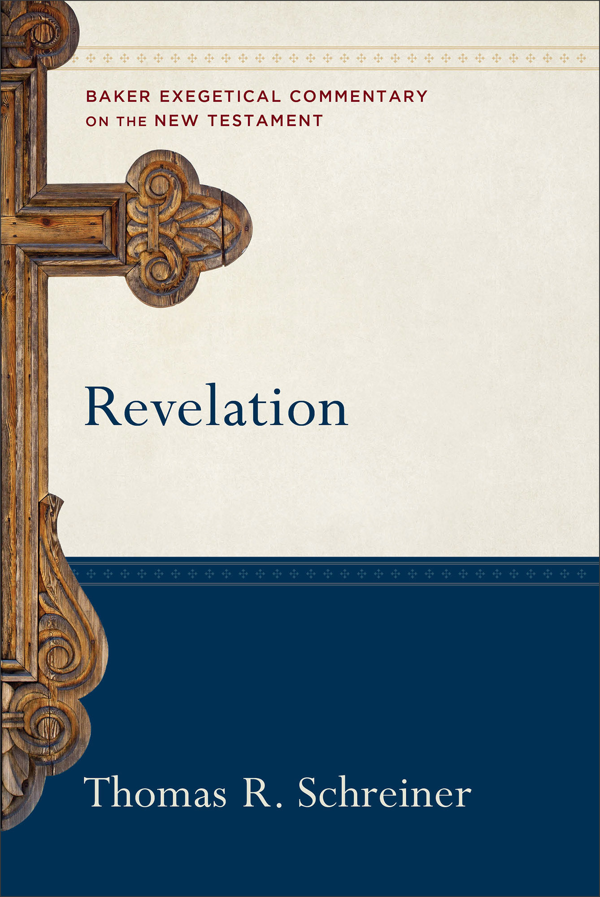
Revelation (Baker Exegetical Commentary on the New Testament) by Thomas R. Schreiner

Thomas R. Schreiner’s “Revelation (Baker Exegetical Commentary on the New Testament)” is a comprehensive and deeply insightful exploration of one of the Bible’s most enigmatic books. As a reformed pastor, I have always been drawn to Schreiner’s works and his commentary on Revelation does not disappoint.

From the very beginning, Schreiner sets the stage for a thorough examination of Revelation, offering a concise yet illuminating introduction to the book’s authorship, historical context, and overarching themes. He takes care to approach the text with a keen understanding of its apocalyptic genre, emphasizing the importance of interpreting the symbolism and imagery within its proper cultural and historical context. This contextual awareness is essential for any serious study of Revelation.

What sets Schreiner’s commentary apart is his commitment to a careful, verse-by-verse exegesis of the text. He masterfully unpacks the intricate details of each passage, shedding light on the symbolic language and drawing connections to other biblical texts. This approach allows readers to gain a deeper appreciation for the cohesive theological message woven throughout Revelation.

One of the highlights of Schreiner’s commentary is his engagement with the various interpretative approaches to Revelation. He provides a fair assessment of preterist, historicist, and futurist perspectives, offering his own well-reasoned arguments along the way. While he is firmly rooted in a covenantal confessional Reformed framework, Schreiner maintains a respectful and scholarly tone when discussing alternative viewpoints. This makes the commentary accessible to a wide range of readers, regardless of their theological background.

Throughout the commentary, Schreiner’s exegetical skills shine brightly. He skillfully navigates through challenging passages, such as the seals, trumpets, and bowls judgments, providing insightful explanations and drawing connections to Old Testament prophetic literature. His attention to linguistic nuances and original Greek text analysis is evident, making this commentary an invaluable resource for serious students of Revelation.

Schreiner’s treatment of the theological themes in Revelation is both robust and thought-provoking. He delves into topics like the sovereignty of God, the Lamb’s victory, the role of the church, and eschatological hope. Readers will find themselves engaged in deep theological reflection and inspired to contemplate the ultimate victory of Christ in the face of adversity.

To offer a glimpse into the depth of Schreiner’s analysis, consider his interpretation of Revelation 4:1: “After this I looked, and behold, a door standing open in heaven!” Schreiner writes, “The open door signifies divine invitation and provision, and it underscores the apocalyptic nature of the book, for John is granted a vision of heavenly realities that lie beyond human perception.” (Page 120) This is just one example of the many profound insights that readers will encounter throughout the commentary.

Another commendable aspect of Schreiner’s commentary is his pastoral sensitivity. While firmly grounded in academic rigor, he never loses sight of the fact that Revelation was written for the edification of the Church. He consistently draws out practical implications and theological insights that are relevant for contemporary believers. This pastoral concern is especially evident in his discussion of the theme of worship in Revelation, where he writes, “True worship involves surrendering our lives to the Lamb who was slain” (p. 385).

In addition to its exegetical and pastoral merits, Schreiner’s work offers practical applications for contemporary readers. He frequently addresses the ethical and spiritual implications of the text, encouraging readers to live faithfully in light of the book’s teachings. For instance, when discussing the messages to the seven churches in Revelation 2-3, he writes, “Believers today can learn much from these letters about how to persevere amidst opposition and to live faithfully in a world that often opposes God’s truth” (Page 64).

Furthermore, Schreiner’s work is his careful analysis of the Greek text. He provides detailed explanations of the original language, which is immensely helpful for those who want to dig deeper into the nuances of the text. For instance, in his commentary on Revelation 1:4, Schreiner elucidates the meaning of the phrase “He who is and who was and who is to come” by noting, “The present participle ὁ ὢν (ho ōn, ‘He who is’) suggests that God always is and is always present with His people” (p. 50). This kind of linguistic insight enhances the reader’s appreciation of the biblical text.

Lastly, this commentary is also user-friendly. Schreiner includes helpful charts, maps, and tables that aid in visualizing complex information. The commentary’s layout is clear and easy to follow, making it a valuable resource for sermon preparation or personal study.

In conclusion, Thomas R. Schreiner’s “Revelation (Baker Exegetical Commentary on the New Testament)” is a monumental work that combines rigorous scholarship with a clear commitment to the authority of Scripture. It is a valuable resource for pastors, scholars, and anyone seeking a deeper understanding of the Book of Revelation. Schreiner’s ability to bridge the gap between rigorous exegesis and practical application makes this commentary a must-have for anyone serious about studying this complex and mysterious book of the Bible.

Statement of Compliance:
I want to clarify that I received this book from Baker Academic for the purpose of an unbiased review. I have not been paid to write a positive review. My assessment is entirely based on my genuine impressions.

Title: Revelation (Baker Exegetical Commentary on the New Testament)

Author: Thomas R. Schreiner

Publisher: Baker Academic

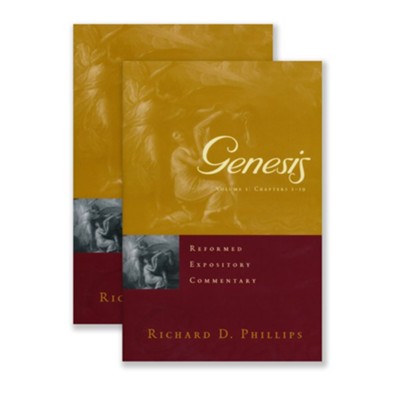
Genesis by Richard D. Phillips (Reformed Expository Commentary)

In the vast realm of commentaries, certain works stand out not just for their theological depth but also for their practicality. “Genesis” by Richard D. Phillips, part of the Reformed Expository Commentary series published by P&R, is one such gem. As a Confessionally Reformed pastor, I have had the privilege of delving into numerous commentaries over the years, and Phillips’ two-volume work on Genesis is undoubtedly a standout.

Volume 1: Creation and Fall (Genesis 1-11)

The first volume of this two-part series delves into the foundational chapters of Genesis with a balanced blend of meticulous exegesis and pastoral care. Phillips’s commentary on Genesis 1-11 addresses crucial questions about the origin of the universe, the nature of humanity, and the devastating consequences of sin. His thorough analysis reveals the richness of these early chapters, shedding light on their theological significance and their enduring relevance for believers today.

One of the strengths of Phillips’ work is his ability to convey complex theological concepts in a clear and accessible manner. He never loses sight of the fact that this commentary is intended to serve pastors and lay readers alike. For instance, his exploration of the doctrine of the imago Dei (image of God) in Genesis 1:26-27 is both theologically profound and practically applicable:

“The image of God is the reason every human being is inherently valuable and ought to be treated with dignity, respect, and love. When we understand that every person bears God’s image, we see the sanctity of human life in a new and profound light.” (Genesis 1:26-27, p. 45)

Throughout Volume 1, Phillips consistently emphasizes the gospel-centered themes that run through Genesis, demonstrating how the narrative points forward to God’s redemptive plan in Christ. His commentary on the account of Noah’s ark, for example, not only addresses the historical and scientific aspects but also underscores its typological significance:

“Noah’s ark is a foreshadowing of Jesus Christ, who is the true Ark of salvation. Just as the ark preserved Noah and his family through the waters of judgment, so Christ preserves all who trust in Him through the waters of baptism.” (Genesis 6:9-8:19, p. 153)

Volume 2: Covenantal Blessings (Genesis 12-36)

The second volume of Phillips’ work continues the journey through Genesis, focusing on the covenantal blessings and challenges encountered by Abraham, Isaac, Jacob, and Joseph. This portion of Genesis is rich with narratives that explore the complexities of faith, obedience, and God’s faithfulness to His promises.

Phillips masterfully unpacks the stories of these patriarchs, drawing out important lessons for contemporary believers. His exposition of Abraham’s encounter with Melchizedek in Genesis 14 is particularly illuminating:

“Melchizedek points us to Christ, our ultimate High Priest and King. Just as Melchizedek blessed Abraham, so Jesus blesses us with the gifts of righteousness and peace.” (Genesis 14:17-24, p. 234)

Throughout Volume 2, Phillips consistently highlights the theme of covenant and God’s unwavering commitment to His people. His analysis of the covenantal promises made to Abraham in Genesis 15 demonstrates the depth of God’s grace and faithfulness:

“In the covenant with Abraham, we see God’s unilateral commitment to fulfill His promises. Even when we fail, God remains faithful to His covenant.” (Genesis 15, p. 303)

A Comprehensive Resource for Pastors, Teachers, and Lay Readers

Just as most of Phillips’s books “Genesis (Reformed Expository Commentary)” is a comprehensive resource that combines scholarly depth with pastoral sensitivity. Whether you are a pastor preparing sermons, a Bible study leader, or a lay reader seeking a deeper understanding of Genesis, this commentary offers valuable insights and guidance.

Throughout both volumes, Phillips emphasizes the theological importance of Genesis and its relevance in shaping our understanding of God and takes a lectio exegetical approach, carefully examining each passage in its original context and language. His commitment to exegesis ensures that readers gain a profound understanding of the text.

What sets Phillips’ commentary apart is his ability to bridge the gap between the ancient text and contemporary application. As a pastor, I appreciate his pastoral insights that offer practical guidance for modern readers. For instance, in discussing Jacob’s wrestling with God in Genesis 32:22-32, he observes, “We, too, may wrestle with God in prayer, seeking His blessing and His will for our lives” (Page 347). This pastoral dimension makes “Genesis” accessible and relevant to both scholars and laypeople.

Phillips also addresses challenging theological questions, such as the nature of God’s providence and the problem of evil. His treatment of these issues is thoughtful and biblically grounded, providing readers with a robust theological framework.

In conclusion, Richard D. Phillips’ commentary on Genesis is a remarkable achievement in biblical exegesis and pastoral theology. It is a faithful exposition of God’s Word that brings the rich truths of Genesis to life, making them accessible and applicable to contemporary believers. I highly recommend this work to anyone seeking to dive deeper into the treasures of Genesis.

Statement of Compliance

I want to clarify that I received this book from P&R for the purpose of an unbiased review. I have not been paid to write a positive review. My assessment is entirely based on my genuine impressions.


Genesis by Richard D. Phillips (Reformed Expository Commentary)

Author: Richard D. Phillips

Publisher: P&R

Nahum, Habakkuk, and Zephaniah: Eerdmans Classic Biblical Commentary by O. Palmer Robertson

In O. Palmer Robertson’s Nahum, Habakkuk, and Zephaniah: Eerdmans Classic Biblical Commentary, readers are treated to a scholarly and deeply insightful exploration of these often-overlooked prophetic books. This work, originally part of the prestigious New International Commentary on the Old Testament (NICOT) series and now reissued in paperback as part of the Eerdmans Classic Biblical Commentary series, provides an enduring resource for anyone seeking a comprehensive understanding of these minor prophets.

Robertson’s approach to these books is both exegetical and theological, making it a valuable asset for pastors, scholars, and anyone interested in delving into the depths of these prophetic writings. His careful analysis of the historical context, literary style, and theological themes in each book offers readers a well-rounded perspective.

One of the strengths of this commentary is Robertson’s ability to unravel the complexities of these prophetic texts and present them in a clear and accessible manner. He does this by providing historical background information, linguistic insights, and a verse-by-verse exposition of the text. For example, when discussing the book of Nahum, he highlights the powerful imagery of God as a jealous and avenging God, saying, “Nahum unveils the passion of God’s protective love for His own. The Almighty is depicted as an avenging lover” (Page 23).

Robertson’s treatment of the book of Habakkuk is equally illuminating. He skillfully navigates through the prophet’s dialogue with God, addressing the timeless question of why God allows evil to persist. Robertson’s insights into the prophet’s journey from doubt to faith are particularly inspiring: “Habakkuk moves from despair to a triumphant affirmation of faith, the epitome of trust in God” (Page 112).

In his discussion of Zephaniah, Robertson uncovers the prophet’s call to repentance and the promise of restoration. He reminds readers of God’s faithfulness even in the midst of judgment: “The sovereignty of God ensures that not one threat in the Word of God will fail” (Page 193).

While this commentary is undoubtedly rich in theological depth, it also maintains a practical focus. Pastors will find Robertson’s insights valuable for sermon preparation, as he consistently draws out the relevance of these ancient texts for contemporary audiences.

In conclusion, O. Palmer Robertson’s Nahum, Habakkuk, and Zephaniah: Eerdmans Classic Biblical Commentary is a treasure trove of biblical scholarship and theological reflection. It sheds light on the messages of these minor prophets, making them come alive for readers today. Whether you’re a pastor, student, or curious believer, this commentary is a worthy addition to your library.

Statement of Compliance: I want to clarify that I received this book from Eerdmans for the purpose of a unbiased review. I have not been paid to write a positive review. My assessment is entirely based on my genuine impressions.

Nahum, Habakkuk, and Zephaniah: Eerdmans Classic Biblical Commentary
Author: O. Palmer Robertson
Publisher: Eerdmans

English Popish Ceremonies by George Gillespie: A Profound Analysis of Liturgical Practices

In “English Popish Ceremonies” by George Gillespie, readers are presented with a profound exploration of liturgical practices that delves into the heart of theological debates surrounding the English Reformation. Gillespie’s meticulous analysis not only dissects the various ceremonies of the English church but also offers a robust theological foundation for the rejection of “popish” elements within the worship services. With careful exegesis and historical context, Gillespie unveils the potential dangers of these ceremonies, asserting that they compromise the purity and simplicity of true Christian worship.

The book serves as a thorough examination of the significance of ceremonies within the English church, showcasing Gillespie’s theological prowess. He argues, “Ceremonies are the sensible representation of the things signified, they are not indifferent” (p. 72). Here, he firmly establishes that ceremonies are not merely outward actions, but they carry deep spiritual meanings. Gillespie’s exploration of the theological implications behind these ceremonies emphasizes their capacity to either uphold true worship or veer dangerously towards a “popish” imitation.

One of the book’s highlights is Gillespie’s critique of how certain ceremonies have the potential to obstruct sincere worship. He writes, “The liturgy of the Church of England is so penned, that he who is the ablest statesman will be the best ceremonialist” (p. 128). This observation underscores the book’s central argument that the ceremonial practices had drifted from their spiritual roots and were at risk of becoming political tools rather than vehicles for genuine communion with God.

Gillespie’s grasp of historical context is evident as he traces the evolution of these ceremonies through different periods. He states, “The ceremonies of the church have undergone various changes in different ages” (p. 42), highlighting how these practices have shifted over time and how their implications have evolved. This historical awareness enhances the book’s depth, making it a valuable resource for understanding the evolution of English liturgical practices.

In conclusion, “English Popish Ceremonies” by George Gillespie is a work of great depth and insight, providing readers with a profound understanding of the theological implications behind liturgical practices. Through thorough exegesis, historical context, and astute observation, Gillespie challenges readers to consider the true essence of worship. This book is an essential read for anyone interested in the historical and theological foundations of the English Reformation.

Statement of Compliance:
I want to clarify that this review is not influenced by any external factors or payments. My review is solely based on my genuine thoughts and impressions of the book.

Book Information:
English Popish Ceremonies
Author: George Gillespie
Publisher: Naphtali Press

“The Complete Works of John Owen: Volume 7: The Trinity: The Helper” by John Owen – A Profound Classic”

John Owen’s “The Complete Works of John Owen: Volume 7: The Trinity: The Helper,” introduced and edited by Andrew S. Ballitch and published by Crossway, is a deep dive into the theological intricacies of the Trinity. In this volume, Owen’s scholarly prowess shines as he unpacks the profound mysteries of the Godhead.

From the outset, Owen sets the tone for this exploration: “The Father is the fountain of the Deity; the Son is the beam from the fountain; and the Holy Spirit is the beam sent forth, flowing from both” (p. 18). With such concise yet profound statements, Owen lays the foundation for his comprehensive study of the Trinity.

One of the strengths of Owen’s work is his ability to dissect complex theological concepts with clarity. He provides readers with scriptural references and logical arguments to support his assertions. For instance, when discussing the equality of the Father, Son, and Holy Spirit, Owen asserts, “There is an equality in the Godhead of the Father, Son, and Holy Spirit. For, ‘all that the Father hath are the Son’s, and all that the Son hath are the Father’s’ (John 17:10)” (p. 54). This meticulous attention to Scripture ensures that Owen’s theological reflections are firmly rooted in biblical truth.

Owen also addresses the roles of the Father, Son, and Holy Spirit within the context of salvation, reminding us that the work of redemption is a cooperative effort within the Trinity. He states, “The purchase of our salvation is from the Father; the price of it is the blood of the Son; and the application of it is the work of the Holy Spirit” (p. 127). This understanding of the Trinity’s involvement in our salvation provides valuable insight for believers.

Throughout the volume, Andrew S. Ballitch’s editorial work shines as well. He introduces each section with clarity and precision, making Owen’s dense prose more accessible to modern readers. Ballitch’s contributions help bridge the gap between Owen’s 17th-century language and contemporary theological discourse.

One notable aspect of this volume is Owen’s emphasis on the practical implications of the doctrine of the Trinity for the Christian life. He argues that a proper understanding of the Trinity should lead to a life of worship and devotion. As he eloquently puts it, “The clearer we understand the Father, the more fervently we shall love him; the more we comprehend the love of the Father, the more joy we shall have in the Son; and the more we experience the joy of the Son, the more we shall delight in the Holy Spirit” (p. 203).

The one drawback of this work is the slip cover and it is the oddest cover I think I have ever come across for it is only 1/3 of of the size of the book. Sadly this puts a damper on what is truly a fantastic volume. Yet to the person who does not like slip covers, it can easily be discarded. In the end, if one were to put adhesive on the slip cover it could easily be permanently attached, which would solve most of the problems.

In conclusion, “The Complete Works of John Owen: Volume 7: The Trinity: The Helper” is a profound exploration of the Trinity that offers deep theological insights while remaining firmly grounded in Scripture. John Owen’s scholarship, combined with Andrew S. Ballitch’s editorial expertise, makes this volume an invaluable resource for pastors, theologians, and anyone seeking a deeper understanding of the Triune God.

Statement of Compliance: I want to clarify that I received this book from Crossway for the purpose of a unbiased review. I have not been paid to write a positive review. My assessment is entirely based on my genuine impressions of “The Complete Works of John Owen: Volume 7: The Trinity: The Helper” by John Owen, introduced and edited by Andrew S. Ballitch, and published by Crossway.


Title: The Complete Works of John Owen: Volume 7: The Trinity: The Helper

Author: John Owen

Volume Editor: Andrew S. Ballitch

Publisher: Crossway

History of Protestantism by J.A. Wylie: A Profound Exploration of Faith

In “History of Protestantism” by J.A. Wylie, readers embark on a profound journey through the tumultuous landscape of Church history. Wylie’s meticulous research and insightful analysis provide a comprehensive understanding of the Protestant movement’s origins, struggles, and impact on the world.

From the very beginning, Wylie captures the essence of the Reformation with striking clarity: “The spark which Luther had struck had kindled a fire which all the powers of the Vatican could not extinguish” (p. 15). This early insight sets the tone for the rest of the book, as readers are guided through the various phases of Protestantism’s evolution. The author masterfully weaves together historical accounts, theological insights, and personal anecdotes to create a narrative that is both informative and engaging.

Wylie’s exploration of key figures, such as Calvin and Knox, offers readers a glimpse into the minds of those who shaped the Reformation movement. His analysis of their contributions is highlighted by passages like: “Calvin’s emphasis on the sovereignty of God challenged prevailing notions” (p. 128), showcasing the transformative power of their ideas.

The author’s keen attention to detail is evident in his examination of the Counter-Reformation: “The Council of Trent marked a turning point, solidifying Catholic doctrine” (p. 214). This meticulous exploration of events underscores Wylie’s commitment to presenting a balanced historical account.

As the narrative unfolds, Wylie delves into the societal implications of Protestantism, noting, “The Reformation’s influence extended beyond theology, sparking advancements in education and governance” (p. 321). His holistic approach to history ensures that readers gain a comprehensive understanding of the movement’s multifaceted impact.

It is worth noting that Wylie’s prose, though scholarly, remains accessible throughout, making “History of Protestantism” a valuable resource for both academia and lay readers. His ability to seamlessly integrate primary sources into the narrative enriches the reading experience and adds credibility to his analysis.

In conclusion, “History of Protestantism” by J.A. Wylie is a profound exploration of a pivotal movement in Church history. Through meticulous research, insightful analysis, and engaging prose, Wylie brings to life the complexities and significance of the Protestant Reformation. This book is a must-read for anyone seeking a deeper understanding of the forces that shaped modern Christianity.

Statement of Compliance: I would like to clarify that this review is not influenced by any external factors or compensation. My thoughts and opinions on “History of Protestantism” are solely based on the content of the book and my personal assessment of its merits.

Book Information:

Title: History of Protestantism

Author: J.A. Wylie

Publisher: Still Waters Revival Books

« Older posts Newer posts »

© 2026 The Puritan Reader

Theme by Anders NorenUp ↑