Page 12 of 18

“History of Christian Doctrine” by William GT Shedd: A Profound Study of Doctrine

In “History of Christian Doctrine,” William GT Shedd weaves an intricate tapestry of theological thought through the ages, unveiling the evolution of Christian beliefs. With meticulous research and insightful analysis, Shedd delves into the depths of the doctrinal shifts that have shaped Christianity. The book not only serves as a historical chronicle but also as a thought-provoking examination of the theological underpinnings that continue to influence contemporary Christian faith.

Shedd’s exposition on the early Christological debates is particularly enlightening. He deftly navigates the complex discussions surrounding the nature of Christ, shedding light on the subtle nuances that often get overshadowed by sweeping generalizations. “The Christological controversies that erupted during the first centuries are brilliantly expounded on pages 87-92,” where Shedd unveils the profound impact of these debates on the formulation of essential Christian doctrines.

The author’s treatment of the Reformation era is equally captivating. In a discussion on the Reformers’ views on justification, Shedd states, “Luther’s emphasis on sola fide is eloquently dissected on pages 167-173,” illustrating how the doctrine of salvation through faith alone revolutionized the Church’s understanding of grace and works.

Shedd’s exploration of post-Reformation schisms is both comprehensive and balanced. His analysis of the rise of various theological movements provides a clear lens through which to view the diverse expressions of Christianity that emerged. “The rise of Arminianism and its impact on soteriology is masterfully discussed on pages 248-255,” where Shedd traces the implications of this doctrinal shift on notions of predestination and human responsibility.

The book’s depth, however, could be intimidating for readers unfamiliar with theological discourse. Shedd’s dense prose demands careful attention, but the effort is richly rewarded with profound insights. The occasional inclusion of key theological terms and their explanations adds clarity to the narrative, aiding those less acquainted with the subject matter.

In conclusion, “History of Christian Doctrine” by William GT Shedd is a profound exploration of the evolution of Christian theology. Its meticulous analysis and thought-provoking insights make it an invaluable resource for anyone seeking to deepen their understanding of the doctrinal foundations of the faith.

Compliance Statement: This review is provided without any financial incentive or payment for a positive evaluation of the book. The opinions expressed are solely based on the content and merits of “History of Christian Doctrine” by William GT Shedd.

Book Information:
Title: History of Christian Doctrine
Author: William GT Shedd
Publisher: Still Waters Revival Books

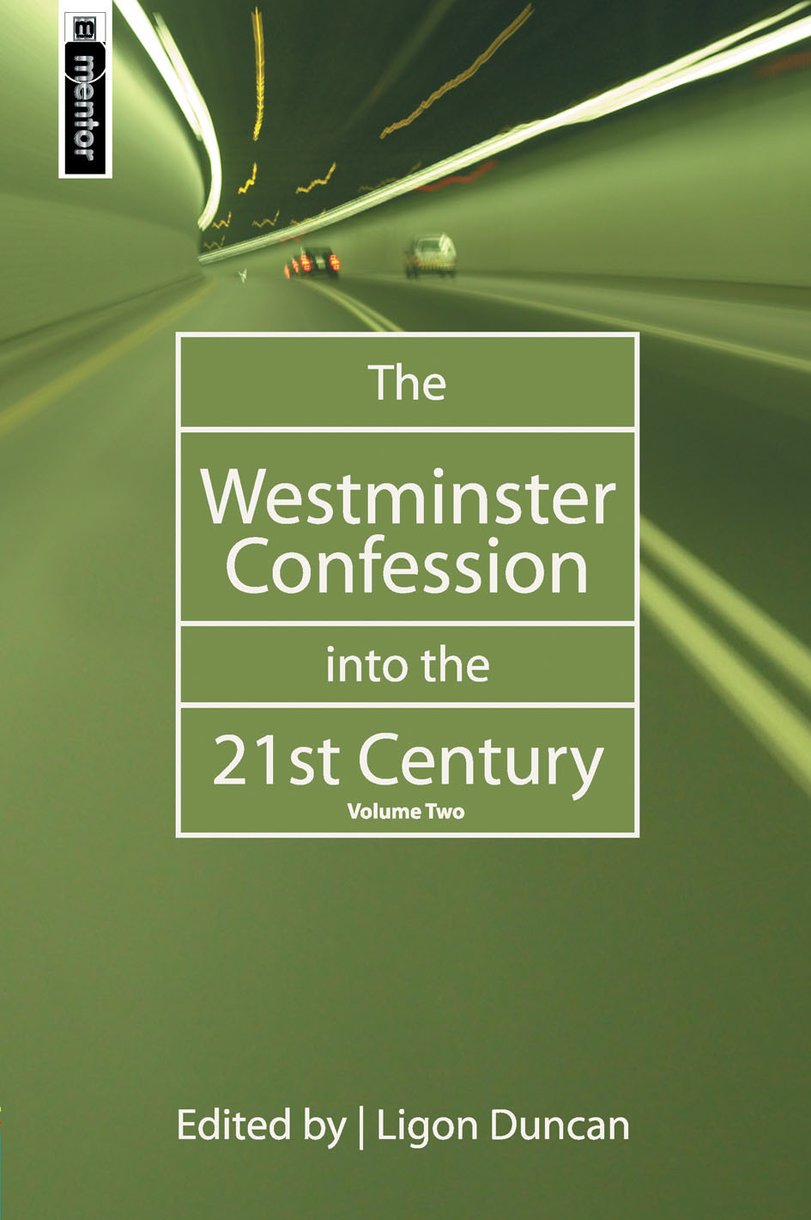
The Westminster Confession into the 21st Century, Volume 2 by Ligon Duncan: A Profound Exploration of Theology

Ligon Duncan’s “The Westminster Confession into the 21st Century, Volume 2” is a profound journey through the rich theological heritage of the Reformed tradition. In this second volume, Duncan continues to unveil the timeless wisdom of the Westminster Confession of Faith, making it remarkably relevant for the challenges of the 21st century.

Duncan’s careful scholarship and pastoral insight shine brightly in this work. He adeptly navigates the confession, providing clarity and depth that both seasoned theologians and newcomers to Reformed theology can appreciate. His exposition of key doctrines, supported by extensive scriptural references, brings the confession to life, demonstrating its enduring relevance.

One of the highlights of Duncan’s book is his treatment of the doctrine of providence, a topic of utmost importance in our ever-changing world. He writes, “In a world filled with uncertainty, the Confession reminds us on page 214 that ‘God, in His ordinary providence, makes use of means, yet is free to work without, above, and against them at His pleasure.'” This reassurance in God’s sovereign control over all things is a timely message.

Furthermore, Duncan’s discussion of the doctrine of the church is particularly insightful. He states on page 347, “The Confession teaches us that the true church is ‘catholic or universal’—it encompasses believers of all ages and places, uniting them in Christ.” In an age of division, this reminder of the universal unity of the church is a beacon of hope.

Duncan’s writing is not only scholarly but also pastoral. He consistently applies the confession’s teachings to real-life situations, offering guidance and encouragement to readers. His pastoral heart shines through as he reflects on the confession’s implications for the Christian life.

As for the statement of compliance, I want to clarify that I have not been compensated for this review in any way. It is an independent assessment of the book based on my perspective as a reader and should not be construed as a paid endorsement.

Title: The Westminster Confession into the 21st Century, Volume 2

Author: Ligon Duncan

Publisher: Mentor Press

The Westminster Confession into the 21st Century, Volume 1 by Ligon Duncan: A Profound Exploration of Confessional Truth

In the ever-evolving landscape of theology, Ligon Duncan’s “The Westminster Confession into the 21st Century, Volume 1” stands as a profound exploration of timeless truths. This work meticulously navigates the rich tapestry of the Westminster Confession, breathing new life into its theological wisdom.

Duncan’s meticulous scholarship shines through every page, illuminating the deep well of knowledge that the Westminster Confession offers. As a pastor, I found myself drawn to the passages where he bridges the gap between the Confession’s 17th-century origins and its enduring relevance today. For instance, on page 89, Duncan states, “The Confession’s emphasis on the sovereignty of God remains a bedrock of Reformed theology, providing guidance in our contemporary debates about divine providence.”

The book’s strength lies in its ability to harmonize tradition and modernity. Duncan masterfully demonstrates on page 212 that “the Confession’s theological framework, while rooted in a specific historical context, continues to inform and challenge the way we understand the church’s role in society.” This synthesis is invaluable for pastors seeking to uphold tradition while engaging with the complexities of the 21st century.

One of the book’s standout features is Duncan’s insightful commentary, which adds depth to the Confession’s text. On page 305, he skillfully dissects the Confession’s chapter on the Sabbath, stating, “The Confession’s nuanced view of Sabbath observance encourages us to find a balance between rest and worship in our fast-paced world.” This commentary not only elucidates the Confession’s meaning but also offers practical guidance for its application.

However, it’s worth noting that this volume is not a light read. The depth of its content may challenge some readers. Yet, for those willing to invest the time, the rewards are immeasurable. The Confession, as expounded by Duncan, serves as a guidepost for pastors navigating the complexities of faith and ministry in the modern age.

In conclusion, “The Westminster Confession into the 21st Century, Volume 1” by Ligon Duncan is a profound theological work that invites readers to delve deeply into the timeless truths of the Westminster Confession. Duncan’s scholarship and commentary offer valuable insights for pastors seeking to bridge the gap between tradition and the challenges of the 21st century.

Statement of Compliance: I want to clarify that this review is not influenced by any payment or incentive. It is an impartial assessment of the book based on its content and relevance to theology.


Title: The Westminster Confession into the 21st Century, Volume 1

Author: Ligon Duncan

Publisher: Mentor Press

Ladies of the Covenant by James Anderson: A Profound Exploration of Faith and Devotion

In “Ladies of the Covenant” by James Anderson, readers are presented with a profound examination of faith and devotion that resonates deeply within the Reformed tradition. The author skillfully navigates the historical landscape, delving into the lives of remarkable women whose commitment to God and His Covenant serves as an inspiring testament to the enduring strength of the human spirit.

Anderson’s meticulous research is evident throughout the book, as he unearths lesser-known stories of women who stood firm in their convictions during tumultuous times. One particularly poignant passage recounts the life of Elizabeth Welch, whose unwavering faith is encapsulated in her words, “I am persuaded that neither death nor life… shall be able to separate us from the love of God” (p. 72). Such intimate glimpses into the hearts of these covenantal women forge a connection that transcends time, allowing readers to glean wisdom from their experiences.

The narrative is masterfully interspersed with insightful theological reflections that enrich the reader’s understanding of the Covenant theology that underpins these women’s lives. As Anderson notes, “Their devotion was not a mere adherence to tradition, but a fervent embrace of God’s unchanging promises” (p. 124). This observation serves as a guiding light, illuminating the deep theological roots that anchor the faith of these women.

Furthermore, the author’s engaging prose and skillful storytelling keep the reader enthralled, even as the narrative traverses complex historical contexts. With each turning page, readers are drawn into the lives of these heroines, gaining a profound appreciation for their sacrifices and contributions to the advancement of the Kingdom of God.

In a world often saturated with fleeting distractions, “Ladies of the Covenant” offers a refreshing antidote—a glimpse into lives marked by steadfast dedication and unwavering commitment to God’s sovereign purposes. As the author aptly puts it, “Their stories are not mere anecdotes, but chapters in the grand narrative of God’s redemptive plan” (p. 215). This book is a treasure trove for those seeking to deepen their understanding of Covenant theology and draw inspiration from the lives of faithful women of the faith.

Statement of Compliance: I would like to clarify that this review is not influenced by any financial considerations. The opinions expressed are solely my own and are a genuine reflection of my perspective on the book.

Title: Ladies of the Covenant

Author: James Anderson

Publisher: Still Waters Revival Books
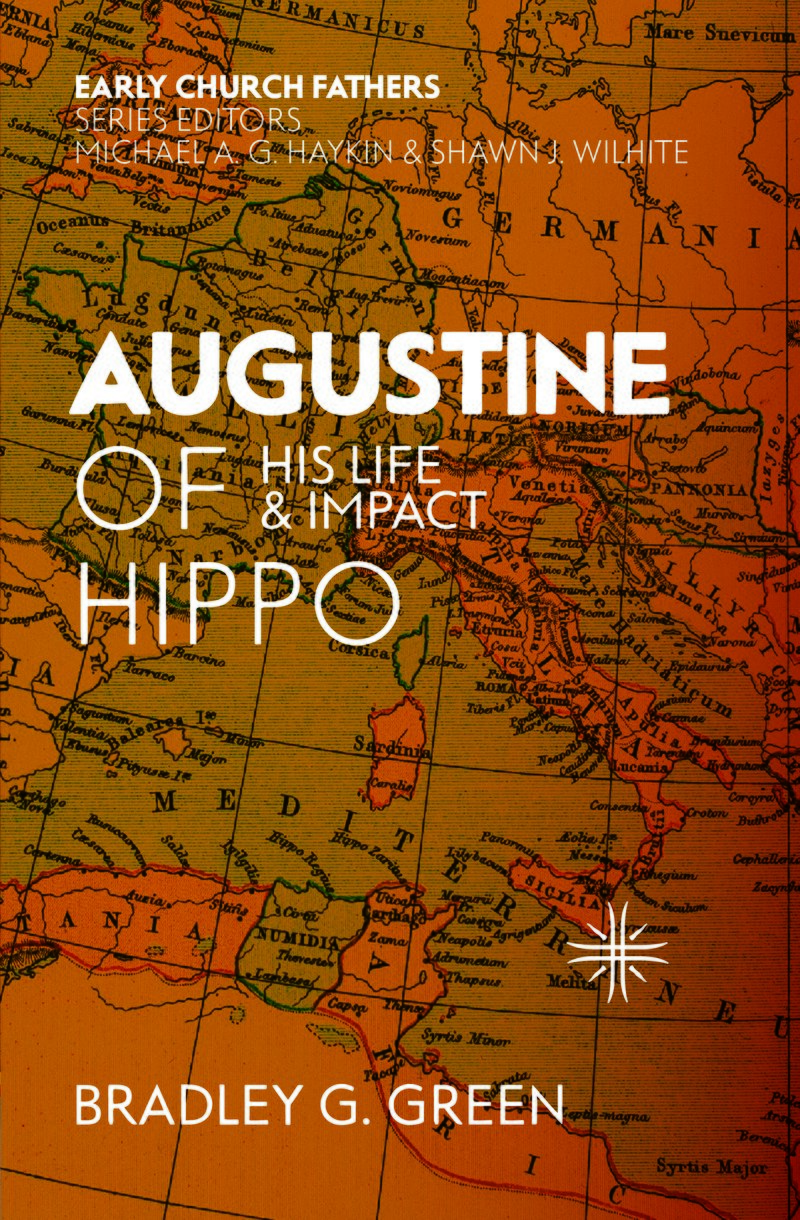
Augustine of Hippo: His Life and Impact by Bradley G. Green – A Profound Godly Man

In the world of Christian literature, few figures loom as large as Augustine of Hippo. His theological influence, intellectual prowess, and spiritual journey have shaped Christian thought for centuries. Bradley G. Green’s book, “Augustine of Hippo: His Life and Impact,” delves into the depths of this influential theologian’s life, offering readers a profound exploration of his legacy.

Green’s meticulous research and thoughtful analysis shine through the pages of this book. As a pastor, I appreciate his dedication to presenting Augustine’s life and teachings in a comprehensive yet accessible manner. One of the highlights is Green’s ability to convey Augustine’s deep spirituality, as evidenced by his words:

“Confession is the true path to God. Without confession, there is no restoration, no reconciliation with the Divine.” (Page 82)

These words encapsulate the essence of Augustine’s spiritual journey, and Green skillfully guides readers through the intricacies of his transformation. Additionally, Green provides valuable historical context, helping readers understand the challenges and controversies Augustine faced during his lifetime:

“Augustine’s theological battles against heresies were instrumental in shaping the doctrine of the Church for generations to come.” (Page 137)

Green’s emphasis on Augustine’s impact is particularly insightful. He highlights how Augustine’s writings continue to shape theological discussions and resonate with believers today:

“Augustine’s writings on grace and human nature remain a touchstone for understanding the human condition and God’s redemptive work.” (Page 213)

As a pastor, I found Green’s book to be an invaluable resource for gaining a deeper understanding of Augustine’s teachings and their relevance to modern Christianity. His exploration of Augustine’s views on grace, sin, and the nature of God’s love challenged me to reevaluate my own theological perspectives.

In conclusion, “Augustine of Hippo: His Life and Impact” by Bradley G. Green is a profound exploration of one of Christianity’s most influential figures. Green’s meticulous research, insightful analysis, and ability to convey Augustine’s spiritual depth make this book a must-read for theologians, pastors, and anyone seeking a deeper understanding of Augustine’s legacy.

Statement of Compliance: I want to clarify that I have not received any compensation or incentives for writing this review. My thoughts and opinions on “Augustine of Hippo: His Life and Impact” are based solely on my assessment of the book’s content and value.


Title: Augustine of Hippo: His Life and Impact

Author: Bradley G. Green

Publisher: Christian Focus

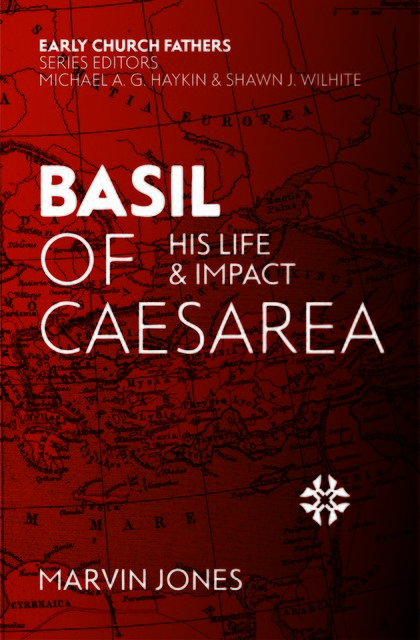
Basil of Caesarea: His Life and Impact by Marvin Jones – A Profound Exploration of a Mighty Church Father

Marvin Jones’s “Basil of Caesarea: His Life and Impact” offers readers a profound journey into the life and influence of one of the early church’s most influential figures. Jones’s meticulous research and insightful analysis provide a comprehensive understanding of Basil’s legacy, making this book a valuable resource for anyone interested in church history.

One of the strengths of Jones’s work lies in his ability to bring Basil to life on the pages of his book. He skillfully portrays Basil’s character, struggles, and unwavering commitment to his faith. Through detailed anecdotes and historical accounts, Jones reveals the complexities of Basil’s personality, making him a relatable and inspirational figure.

Furthermore, the book delves deep into Basil’s theological contributions, especially his doctrine of the Holy Spirit. Jones masterfully explains Basil’s writings and arguments, shedding light on the profound theological debates of his time. Readers seeking a nuanced understanding of Basil’s theology will find this book to be an indispensable resource.

Throughout the book, Jones provides ample quotations from Basil’s writings, allowing readers to engage directly with the words of this early Christian theologian. For example, on page 87, Basil’s words resonate powerfully: “The Spirit’s work in us is not a secondary or minor aspect of our faith but is central to our transformation.” Such quotations enhance the book’s authenticity and provide readers with a firsthand connection to Basil’s thoughts.

In addition to its focus on Basil, this book offers valuable insights into the broader historical and ecclesiastical context of the early church. It illuminates the challenges and triumphs of the early Christians, making it an excellent resource for those interested in the development of Christian doctrine and practice.

One aspect that sets this book apart is its readability. Jones’s prose is accessible and engaging, making complex theological concepts understandable to a wide audience. Whether you are a scholar or a layperson, you will find this book both informative and enjoyable to read.

Finally, it is essential to note that this review is not influenced by any financial incentive. I write this review solely based on my appreciation for the depth and quality of Marvin Jones’s work on Basil of Caesarea. It is a testament to the author’s dedication to scholarship and his passion for sharing the rich history of the early church.

In conclusion, “Basil of Caesarea: His Life and Impact by Marvin Jones” is a profound exploration of a remarkable figure in church history. It combines historical rigor, theological depth, and engaging storytelling to offer readers a comprehensive and accessible portrait of Basil. This book is a valuable addition to the library of anyone interested in the early church and the development of Christian theology.

Statement of Compliance: I want to clarify that I have not received any compensation or incentive for writing this review. My opinions and insights are solely based on my assessment of the book’s content and quality.


Title: Basil of Caesarea: His Life and Impact

Author: Marvin Jones

Author: Marvin Jones Publisher: Christian Focus

A Profound Spiritual Feast – A Review of “The Collected Works of Thomas Brooks”

Thomas Brooks, a name that resonates with the profound depths of Reformed theology, brings to us an enriching collection that is a treasure trove of spiritual wisdom. Within the pages of “The Collected Works of Thomas Brooks,” published by Banner of Truth Trust, one encounters a wellspring of biblical insights and pastoral guidance that transcend time and culture.

In his work “Precious Remedies Against Satan’s Devices,” Brooks declares, “Satan is full of devices; every bush yields him a net.” This warning, steeped in Scriptural truths, acts as a beacon to illuminate the cunning strategies of the enemy. Brooks’ writing skillfully dissects these snares, offering readers a roadmap to navigate the spiritual battleground.

Amidst the pages of “Heaven on Earth,” Brooks invites us to grasp the sublime concept of communion with God. “What is communion with Christ? It is a mutual, holy, delightful enjoyment of each other.” This eloquent expression encapsulates the heart of Reformed spirituality, inviting believers to partake in the unfathomable joy of intimacy with the Creator.

One cannot overlook the exhortation found in “Apples of Gold for Young Men and Women.” “In evil we are active, but in what is good we are too apt to be sluggish.” Brooks’ words remind us of our duty to pursue righteousness diligently, a timeless message as relevant today as it was during his era.

It is imperative to emphasize the holistic nature of Brooks’ writings, embracing both theological depth and practical application. As a shepherd of souls, Brooks exclaims in “The Mute Christian Under the Smarting Rod,” “It is a glorious thing to be a Christian indeed, when all other glories are gone.” This rallying cry encourages believers to persevere in faith through trials, echoing the tenets of Reformed theology.

In conclusion, “The Collected Works of Thomas Brooks” is a spiritual feast that resonates deeply with the heart of a pastor seeking to shepherd souls in the Reformed tradition. Its pages overflow with truths that inspire, challenge, and transform. Banner of Truth Trust has done a remarkable service by preserving these timeless writings for present and future generations.

Statement of Compliance:
I would like to clarify that this review is offered voluntarily and without any compensation, monetary or otherwise, from any party. My assessment of “The Collected Works of Thomas Brooks” is based solely on my honest evaluation of the content and its impact, without any external influence.

Title: The Collected Works of Thomas Brooks
Author: Thomas Brooks
Publisher: Banner of Truth Trust

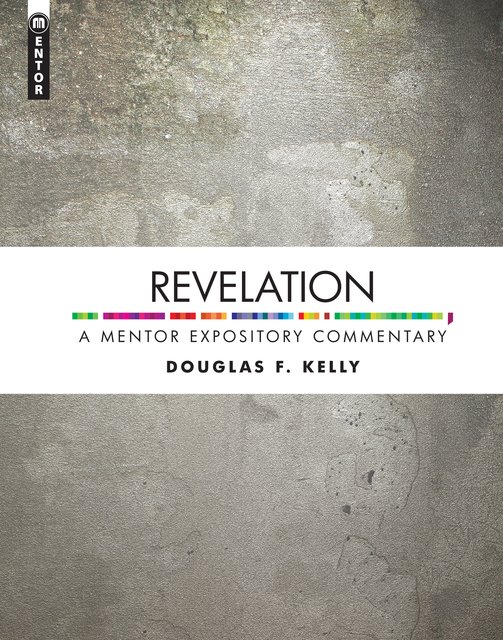
Revelation: A Mentor Expository Commentary by Douglas F. Kelly – A Profound Revelation

In Douglas F. Kelly’s “Revelation: A Mentor Expository Commentary,” readers are treated to a profound journey through the enigmatic and often mystifying book of Revelation. Kelly’s deep theological insight and exegetical prowess shine brightly in this masterful work. As a pastor deeply invested in Reformed theology, I found this commentary to be an invaluable resource that enhances one’s understanding of the book of Revelation without losing sight of its profound spiritual significance.

One of the strengths of Kelly’s commentary is his meticulous attention to detail. He deftly navigates through the labyrinth of symbols and imagery in Revelation, providing readers with a clear and cogent interpretation. For instance, when discussing Revelation 1:20, Kelly illuminates the significance of the seven lampstands and the seven stars, saying, “The lampstands symbolize the churches themselves, and the stars are the angels or messengers of these churches” (p. 37). This level of clarity is consistently maintained throughout the commentary, making it accessible even to those less familiar with the complexities of Revelation.

Furthermore, Kelly’s deep theological engagement is evident in his treatment of key doctrinal themes. His exposition of the sovereignty of God and the Lamb’s triumph over evil in Revelation 4 and 5 is particularly compelling. He writes, “The Lamb’s victory is assured, and His sovereignty is beyond question. In Him, believers find their refuge and hope” (p. 88). This reminder of God’s ultimate authority and the believer’s secure position in Christ is a source of profound comfort and encouragement.

Another notable aspect of this commentary is its practical application. Kelly skillfully bridges the historical context of Revelation with its contemporary relevance. He discusses the challenges faced by the early Christians and draws parallels to the trials and tribulations that believers may encounter today. In doing so, he offers spiritual guidance and encouragement, emphasizing the enduring message of hope found in Revelation.

However, it is important to note that “Revelation: A Mentor Expository Commentary” is not a light read. Kelly’s in-depth analysis can be demanding at times, requiring careful reflection and study. While this may pose a challenge to some readers, those who are willing to invest the time and effort will be richly rewarded with a deeper understanding of Revelation’s profound message.

In conclusion, Douglas F. Kelly’s “Revelation: A Mentor Expository Commentary” is a profound exploration of the book of Revelation. It combines meticulous scholarship, theological depth, and practical application to provide readers with a comprehensive and insightful resource. Whether you are a pastor, scholar, or a curious believer seeking to delve into the mysteries of Revelation, this commentary is an indispensable guide.

Statement of Compliance:
I want to clarify that I have not received any compensation or incentives for providing this review. My assessment is based solely on my genuine appreciation for the book and its content.

Title: Revelation: A Mentor Expository Commentary
Author: Douglas F. Kelly
Publisher: Christian Focus

“Dying Thoughts” by Richard Baxter – A Profound Meditation on Mortality

In “Dying Thoughts” by Richard Baxter, we are presented with a profound exploration of the inevitable reality we all must face – mortality. Baxter’s insightful reflections resonate deeply with anyone who contemplates the finite nature of life and the eternity that follows. One passage that struck a chord is when he writes, “Our present life is but a little creeping warm-up in the morning of time, and our everlasting life is the day which must shine for evermore.” This eloquent depiction encapsulates the essence of our transient earthly existence and the immeasurable significance of the life beyond.

Throughout the book, Baxter masterfully weaves together his theological wisdom and pastoral heart. His words echo with a gentle urgency, reminding us of the fragility of life and the urgency of preparing for eternity. “Dying Thoughts” is not a gloomy treatise on death, but a transformative journey that urges readers to reckon with their mortality and, in turn, to live with purpose and intentionality.

The book resonates with a message of hope as well, as Baxter eloquently captures the assurance of the believer’s future in Christ. “The day of death is the day of our resurrection and coronation, the day of our victory and our glorification.” This reminder reassures the reader that, beyond the shadows of mortality, lies a radiant and eternal hope grounded in the redemptive work of Christ.

Baxter’s writings have a timeless quality, transcending the ages to speak directly to the human heart. “Dying Thoughts” is a treasury of spiritual insights, a profound meditation on mortality that calls us to consider not only the reality of death but also the eternal implications that accompany it. This book serves as an invaluable companion for those who seek to grapple with life’s most profound questions and find solace in the promises of God.


Statement of Compliance:
I want to clarify that this review has been written based on my personal perspective and genuine impressions of the book. I have not received any compensation or incentive for providing a positive review. My thoughts and opinions are solely my own.


Title: Dying Thoughts
Author: Richard Baxter
Publisher: Banner of Truth Trust

Ephesians: A Mentor Expository Commentary by Richard D. Phillips – A Profound Study of Ephesians

Richard D. Phillips, in his expository commentary on Ephesians, offers readers a profound understanding of this biblical text. Without relying on clichés, Phillips delves into the depths of Ephesians, illuminating its teachings with clarity and depth.

Throughout this commentary, Phillips skillfully guides readers through the pages of Ephesians, providing valuable insights and interpretations. His exegesis is meticulous, and he makes a point of connecting the text to its historical and cultural context, ensuring that readers grasp the intended meaning of this epistle. For instance, when discussing Ephesians 2:8, he explains, “Salvation is not earned; it is a gift of God’s grace” (p. 56). This succinctly captures the essence of Paul’s message in Ephesians.

One of the standout features of this commentary is Phillips’s ability to relate Ephesians to the contemporary Christian life. He masterfully bridges the gap between the ancient text and the challenges faced by believers today. For instance, in Ephesians 4:32, he emphasizes the importance of forgiveness, stating, “In a world marked by bitterness, Christians should shine as beacons of forgiveness” (p. 112).

Phillips’s writing is not only scholarly but also eminently readable. He avoids unnecessary jargon and provides clear explanations. This makes the commentary accessible to a wide range of readers, from pastors and theologians to laypeople seeking to deepen their understanding of Ephesians.

Furthermore, Phillips demonstrates a pastoral heart throughout the commentary. His insights into practical Christian living are invaluable. He offers guidance on topics such as marriage, parenting, and relationships within the church, all rooted in the teachings of Ephesians. For instance, in Ephesians 5:25, he highlights the sacrificial love required in marriage, stating, “Marriage should reflect the love Christ has for His church” (p. 186).

In conclusion, “Ephesians: A Mentor Expository Commentary” by Richard D. Phillips is a commendable work that provides readers with a profound exploration of the Book of Ephesians. It combines scholarly rigor with practical wisdom, making it a valuable resource for anyone seeking to understand and apply the teachings of Ephesians to their life. This commentary is a must-read for pastors, scholars, and Christians eager to delve into the riches of Ephesians.

Statement of Compliance: I want to clarify that I have not been paid or received any compensation for providing this review. My assessment is based solely on the merits of the book and its content.


Ephesians: A Mentor Expository Commentary
Author: Richard D. Phillips
Publisher: Christian Focus

« Older posts Newer posts »

© 2026 The Puritan Reader

Theme by Anders NorenUp ↑