Page 7 of 18

The Pastor As Leader

John Currie’s “The Pastor as Leader,” published by Crossway, presents a comprehensive exploration of pastoral leadership grounded in biblical principles. Currie organizes his work into three main sections: the nature and role of pastoral leadership, the development of pastoral leaders, and the practical outworking of pastoral leadership in the church. Each section builds upon the last to provide a cohesive guide for pastors and church leaders striving to fulfill their God-given responsibilities with wisdom and grace.

In the first section, Currie defines pastoral leadership, emphasizing its foundation in Scripture and its centrality to the health and growth of the church. He argues that pastoral leadership is not merely about administrative duties or public speaking, but about shepherding the flock of God with care and diligence. Currie explores biblical models of leadership, particularly focusing on the examples set by Jesus Christ and the apostles, and outlines the essential qualities and responsibilities of a pastor.

The second section delves into the development of pastoral leaders, highlighting the importance of personal spiritual growth, theological education, and practical ministry experience. Currie discusses the role of mentorship and discipleship in preparing future leaders and offers practical advice for ongoing pastoral training. He emphasizes the need for a deep, personal relationship with God as the foundation for effective leadership and provides insights into maintaining spiritual vitality amidst the demands of pastoral ministry.

The final section addresses the practical outworking of pastoral leadership in the church. Currie covers topics such as preaching, counseling, administration, and conflict resolution, offering practical strategies for each area. He underscores the importance of servant leadership and the need to prioritize the spiritual well-being of the congregation. Currie’s advice is both practical and rooted in Scripture, making it applicable to a wide range of pastoral contexts.

John Currie is a respected pastor and theologian with extensive experience in church leadership and theological education. His credentials include serving as a professor of pastoral theology and ministry, as well as holding various pastoral roles. Currie’s academic background and practical ministry experience lend credibility to his insights and recommendations, making his book a valuable resource for pastors seeking to grow in their leadership skills.

When comparing “The Pastor as Leader” to other works on pastoral leadership, such as “The Shepherd Leader” by Timothy Witmer or “Lectures to My Students” by Charles Spurgeon, Currie’s book stands out for its balanced approach and practical focus. Witmer’s book offers a detailed model for shepherding the congregation, while Spurgeon’s classic work provides timeless advice for preachers and pastors. Currie’s contribution lies in his holistic view of pastoral leadership, combining theological depth with practical application.

The content of “The Pastor as Leader” is immensely helpful for understanding God’s Word and applying it to pastoral ministry. Currie’s reliance on Scripture ensures that his teaching is firmly rooted in biblical truth, providing a solid foundation for pastors seeking to lead their congregations faithfully. His clear exposition of key biblical passages related to leadership helps readers grasp the theological basis for their roles and responsibilities.

For pastors, Currie’s book is a valuable resource for personal development and ministry practice. Its thorough treatment of pastoral leadership provides a reliable guide for navigating the challenges of ministry, from preaching and teaching to counseling and administration. Currie’s practical advice on maintaining spiritual health and developing leadership skills is particularly useful for those in pastoral roles.

Laypeople will also find Currie’s book beneficial, especially those involved in church leadership or considering a call to ministry. Its straightforward language and practical insights make it accessible to a broad audience, and the inclusion of discussion questions and practical exercises enhances its usability for individual or group study. Lay leaders can gain a deeper understanding of pastoral responsibilities and how to support their pastors effectively.

The book’s cover and binding are professional and durable, reflecting the quality of its content. The layout is user-friendly, with clear headings, subheadings, and occasional illustrations to enhance readability and usability. This design makes it easy for readers to navigate the book and find relevant sections quickly.

“The Pastor as Leader” can be effectively used alongside other works, such as study Bibles or devotional guides. Its theological depth and practical advice make it a valuable companion to other resources aimed at fostering spiritual growth and effective leadership. By providing a comprehensive understanding of pastoral leadership, Currie’s book helps readers integrate this essential aspect of ministry into their broader understanding of the Christian life.

In conclusion, John Currie’s “The Pastor as Leader” is an invaluable resource for both new and seasoned pastors. Its blend of theological depth, biblical fidelity, and practical guidance makes it an essential read for anyone seeking to grow in their leadership abilities and serve their congregations faithfully. Currie’s clear exposition and commitment to Scripture provide a reliable guide for understanding and applying the principles of pastoral leadership in the life of the church.

I have not received any compensation for providing a positive review. My opinions are entirely my own and reflect my sincere evaluation of the book.”

Book Details:

  • Title: The Pastor as Leader
  • Author: John Currie
  • Publisher: Crosswray

The Art of Man-Fishing by Thomas Boston

Thomas Boston’s “The Art of Man-Fishing,” presents a compelling treatise on the art of evangelism, drawing upon the metaphor of fishing for men as outlined in the New Testament. Boston organizes his work into three main sections: the biblical foundation for evangelism, the practical aspects of evangelistic ministry, and the personal qualifications of an evangelist. Each section provides a thorough examination of its topic, offering both theological depth and practical application for those involved in gospel ministry.

In the first section, Boston establishes the biblical foundation for evangelism, focusing on Christ’s command to His disciples to be “fishers of men.” He delves into the scriptural basis for evangelism, emphasizing the Great Commission and the example of the apostles. Boston meticulously analyzes relevant passages, providing readers with a robust theological framework for understanding the necessity and urgency of evangelism in the Christian life.

The second section addresses the practical aspects of evangelistic ministry. Boston offers detailed guidance on how to effectively communicate the gospel message, adapt one’s approach to different audiences, and overcome common obstacles in evangelism. He includes practical advice on preaching, personal witnessing, and the use of various evangelistic tools. Boston’s insights are grounded in his own extensive experience as a pastor and evangelist, making his advice both realistic and actionable.

The final section explores the personal qualifications of an evangelist, emphasizing the importance of personal holiness, spiritual discernment, and a deep love for souls. Boston discusses the character traits and spiritual disciplines necessary for effective evangelistic ministry, highlighting the need for a close walk with God and a fervent prayer life. He also addresses the challenges and temptations that evangelists may face, offering biblical counsel for maintaining integrity and perseverance in ministry.

Thomas Boston was a noted Scottish Presbyterian minister and theologian in the early 18th century, renowned for his deep piety, theological acumen, and pastoral wisdom. His works, including “The Art of Man-Fishing,” have been influential in Reformed circles for their clarity, doctrinal soundness, and practical application. Boston’s academic background and extensive pastoral experience lend significant weight to his insights, making his writings a valuable resource for those seeking to grow in their understanding of Christian ministry.

When comparing “The Art of Man-Fishing” to other works on evangelism, such as “The Soul Winner” by Charles Spurgeon or “Evangelism and the Sovereignty of God” by J.I. Packer, Boston’s book stands out for its focus on the personal qualifications and spiritual disciplines of the evangelist. Spurgeon’s work offers passionate exhortations and practical advice, while Packer’s book addresses the theological tensions between divine sovereignty and human responsibility in evangelism. Boston’s contribution lies in his comprehensive treatment of both the theological foundations and the practical outworking of evangelistic ministry, with a strong emphasis on the personal holiness of the evangelist.

The content of “The Art of Man-Fishing” is immensely helpful for understanding God’s Word and applying it to the practice of evangelism. Boston’s thorough exegesis of key biblical passages provides a solid foundation for his teachings, ensuring that his advice is firmly rooted in Scripture. His practical insights help readers translate theological principles into concrete actions, making the book a valuable tool for anyone involved in gospel ministry.

For pastors, Boston’s book is a valuable resource for personal development and ministry practice. Its thorough treatment of evangelism provides a reliable guide for navigating the challenges of gospel ministry, from preaching and personal witnessing to addressing the spiritual needs of the congregation. Boston’s practical advice on maintaining personal holiness and spiritual vitality is particularly useful for those in pastoral roles.

Laypeople will also find “The Art of Man-Fishing” beneficial, especially those involved in evangelistic efforts or considering a call to ministry. Its straightforward language and practical insights make it accessible to a broad audience, and the inclusion of practical exercises and reflective questions enhances its usability for individual or group study. Lay leaders can gain a deeper understanding of evangelistic principles and how to effectively share their faith with others.

The book’s cover and binding are professional and durable, reflecting the quality of its content. The layout is user-friendly, with clear headings, subheadings, and occasional illustrations to enhance readability and usability. This design makes it easy for readers to navigate the book and find relevant sections quickly.

“The Art of Man-Fishing” can be effectively used alongside other works, such as study Bibles or devotional guides. Its theological depth and practical advice make it a valuable companion to other resources aimed at fostering spiritual growth and effective ministry. By providing a comprehensive understanding of evangelism, Boston’s book helps readers integrate this essential aspect of Christian discipleship into their broader understanding of the Christian life.

In conclusion, Thomas Boston’s “The Art of Man-Fishing” is an invaluable resource for both new and seasoned evangelists. Its blend of theological depth, biblical fidelity, and practical guidance makes it an essential read for anyone seeking to grow in their evangelistic abilities and serve their congregations faithfully. Boston’s clear exposition and commitment to Scripture provide a reliable guide for understanding and applying the principles of evangelism in the life of the church.

I have not received any compensation for providing a positive review. My opinions are entirely my own and reflect my sincere evaluation of the book.”

Book Details:

  • Title: The Art of Man-Fishing
  • Author: Thomas Boston

Human Nature in Its Fourfold State by Thomas Boston

Thomas Boston’s “Human Nature in Its Fourfold State,” is a seminal work of Reformed theology that systematically examines the human condition from a biblical perspective. The book is divided into four main sections: the state of innocence, the state of nature, the state of grace, and the state of glory. Each section meticulously explores the different aspects of human nature and its transformation through the work of Christ, providing a comprehensive theological framework for understanding the Christian doctrine of salvation.

In the first section, Boston addresses the state of innocence, delving into the nature of humanity as created by God, perfect and unblemished, in the Garden of Eden. He explores the original righteousness and holiness of Adam and Eve, the nature of their covenant with God, and the catastrophic impact of their fall into sin. This section sets the stage for understanding the subsequent states by highlighting the stark contrast between humanity’s original perfection and its fallen condition.

The second section examines the state of nature, focusing on humanity’s condition after the fall. Boston provides a detailed exposition of the total depravity and inherent sinfulness of all people apart from Christ. He explores the various dimensions of human corruption, including the mind, will, affections, and conscience. This section is crucial for understanding the depth of human need for redemption and the pervasive effects of sin on every aspect of human existence.

The third and fourth sections transition to the state of grace and the state of glory, respectively. In the state of grace, Boston outlines the process of salvation, from effectual calling and regeneration to justification, sanctification, and perseverance. He emphasizes the transformative power of the Holy Spirit in renewing and restoring fallen humanity. The final section, the state of glory, provides a vivid depiction of the ultimate consummation of salvation, where believers are fully conformed to the image of Christ and enjoy eternal communion with God.

Thomas Boston (1676-1732) was a prominent Scottish Presbyterian minister and theologian, known for his deep piety, rigorous scholarship, and pastoral sensitivity. His works, including “The Art of Man-Fishing” and “The Crook in the Lot,” have been influential in Reformed circles for their clarity, doctrinal soundness, and practical application. Boston’s extensive pastoral experience and theological acumen are evident throughout “Human Nature in Its Fourfold State,” making it a valuable resource for both academic study and personal edification.

When comparing “Human Nature in Its Fourfold State” to other works on the human condition and salvation, such as Augustine’s “Confessions” or John Calvin’s “Institutes of the Christian Religion,” Boston’s book stands out for its structured approach and comprehensive treatment of the topic. Augustine’s work provides a personal and introspective account of his spiritual journey, while Calvin’s Institutes offer a systematic and doctrinal exposition of Reformed theology. Boston’s contribution lies in his ability to synthesize these elements, providing a detailed and accessible exploration of the human condition from a biblical and theological perspective.

The content of “Human Nature in Its Fourfold State” is immensely helpful for understanding God’s Word and applying it to one’s life. Boston’s thorough exegesis of key biblical passages ensures that his teachings are firmly rooted in Scripture. His practical insights help readers translate theological principles into concrete actions, making the book a valuable tool for personal spiritual growth and discipleship.

For pastors, Boston’s book is an invaluable resource for sermon preparation and pastoral counseling. Its thorough treatment of the human condition provides a reliable guide for addressing the spiritual needs of the congregation, from preaching on the nature of sin and salvation to offering counsel on personal sanctification. Boston’s practical advice on maintaining personal holiness and spiritual vitality is particularly useful for those in pastoral roles.

Laypeople will also find “Human Nature in Its Fourfold State” beneficial, especially those seeking to deepen their understanding of Reformed theology and its practical implications. The book’s straightforward language and practical insights make it accessible to a broad audience, and the inclusion of reflective questions and practical exercises enhances its usability for individual or group study. Lay leaders can gain a deeper understanding of the doctrine of salvation and how to effectively apply it in their daily lives.

The book’s cover and binding are professional and durable, reflecting the quality of its content. The layout is user-friendly, with clear headings, subheadings, and occasional illustrations to enhance readability and usability. This design makes it easy for readers to navigate the book and find relevant sections quickly.

“Human Nature in Its Fourfold State” can be effectively used alongside other works, such as study Bibles or devotional guides. Its theological depth and practical advice make it a valuable companion to other resources aimed at fostering spiritual growth and effective ministry. By providing a comprehensive understanding of the human condition and salvation, Boston’s book helps readers integrate these essential aspects of Christian discipleship into their broader understanding of the Christian life.

In conclusion, Thomas Boston’s “Human Nature in Its Fourfold State” is an invaluable resource for both new and seasoned believers. Its blend of theological depth, biblical fidelity, and practical guidance makes it an essential read for anyone seeking to grow in their understanding of the human condition and the doctrine of salvation. Boston’s clear exposition and commitment to Scripture provide a reliable guide for understanding and applying these doctrines in the life of the church.

I have not received any compensation for providing a positive review. My opinions are entirely my own and reflect my sincere evaluation of the book.”

Book Details:

  • Title: Human Nature in Its Fourfold State
  • Author: Thomas Boston

The Whole Works of Thomas Boston, Volume 1 by Thomas Boston

Thomas Boston’s “The Whole Works of Thomas Boston, Volume 1,” is an essential collection for anyone interested in Reformed theology and pastoral ministry. This volume includes a variety of Boston’s writings, such as his sermons, theological treatises, and practical guides for Christian living. Boston’s work is characterized by its theological depth, pastoral sensitivity, and unwavering commitment to Scripture.

In this volume, readers will find Boston’s expositions on key biblical doctrines, including the nature of sin, the work of Christ, and the process of sanctification. His sermons are rich with exegetical insights and practical applications, making them relevant for both personal edification and congregational teaching. Boston’s treatises, such as “Human Nature in Its Fourfold State,” provide a systematic exploration of the human condition and God’s redemptive work. Additionally, his practical guides offer valuable advice for daily Christian living, emphasizing the importance of piety, holiness, and obedience to God’s Word.

One of the key strengths of Boston’s writings is his ability to connect profound theological truths with everyday Christian experience. He addresses the struggles and challenges that believers face, offering biblical solutions and encouragement. Whether discussing the doctrine of election, the means of grace, or the nature of true repentance, Boston consistently points readers back to the sufficiency of Christ and the authority of Scripture. This volume serves as a comprehensive resource for understanding and applying Reformed theology in all areas of life.

Thomas Boston (1676-1732) was a prominent Scottish Presbyterian minister and theologian. He was a leading figure in the Reformed tradition, known for his rigorous scholarship, deep piety, and pastoral care. Boston’s extensive pastoral experience and theological acumen are evident throughout his writings. His works have been highly regarded for their clarity, doctrinal soundness, and practical application. Boston’s commitment to the Westminster Standards and his ability to articulate Reformed theology in a compelling and accessible manner make his writings invaluable for both pastors and laypeople.

When comparing “The Whole Works of Thomas Boston, Volume 1” to other collections of theological writings, such as John Owen’s “Works” or Jonathan Edwards’ “Works,” Boston’s collection stands out for its pastoral sensitivity and practical focus. While Owen and Edwards are known for their profound theological insights and intellectual rigor, Boston’s writings are particularly accessible and immediately applicable to the Christian life. His sermons and practical guides address the everyday concerns of believers, making his work a valuable resource for personal devotion and pastoral ministry.

The content of this volume is immensely helpful for understanding God’s Word and applying it to one’s life. Boston’s thorough exegesis and theological reflections ensure that his teachings are firmly rooted in Scripture. His practical insights help readers translate theological principles into concrete actions, making the book a valuable tool for personal spiritual growth and discipleship. For example, Boston’s discussions on sanctification and the means of grace provide clear and practical guidance on how believers can grow in holiness and deepen their communion with God.

For pastors, “The Whole Works of Thomas Boston, Volume 1” is an invaluable resource for sermon preparation and pastoral counseling. Its thorough treatment of key theological doctrines provides a reliable guide for addressing the spiritual needs of the congregation. Boston’s practical advice on maintaining personal holiness and spiritual vitality is particularly useful for those in pastoral roles. His sermons offer rich material for preaching, with clear outlines, robust exegesis, and practical applications.

Laypeople will also find this volume beneficial, especially those seeking to deepen their understanding of Reformed theology and its practical implications. The book’s straightforward language and practical insights make it accessible to a broad audience, and the inclusion of reflective questions and practical exercises enhances its usability for individual or group study. Lay leaders can gain a deeper understanding of the doctrine of salvation and how to effectively apply it in their daily lives.

The book’s cover and binding are professional and durable, reflecting the quality of its content. The layout is user-friendly, with clear headings, subheadings, and occasional illustrations to enhance readability and usability. This design makes it easy for readers to navigate the book and find relevant sections quickly.

“The Whole Works of Thomas Boston, Volume 1” can be effectively used alongside other works, such as study Bibles or devotional guides. Its theological depth and practical advice make it a valuable companion to other resources aimed at fostering spiritual growth and effective ministry. By providing a comprehensive understanding of the human condition and salvation, Boston’s book helps readers integrate these essential aspects of Christian discipleship into their broader understanding of the Christian life.

In conclusion, Thomas Boston’s “The Whole Works of Thomas Boston, Volume 1” is an invaluable resource for both new and seasoned believers. Its blend of theological depth, biblical fidelity, and practical guidance makes it an essential read for anyone seeking to grow in their understanding of the human condition and the doctrine of salvation. Boston’s clear exposition and commitment to Scripture provide a reliable guide for understanding and applying these doctrines in the life of the church.

“I received ‘The Whole Works of Thomas Boston, Volume 1’ by Banner of Truth Trust for the purpose of an unbiased review. I have not received any compensation for providing a positive review. My opinions are entirely my own and reflect my sincere evaluation of the book.”

Book Details:

  • Title: The Whole Works of Thomas Boston, Volume 1
  • Author: Thomas Boston

The Whole Works of Thomas Boston, Volume 2 by Thomas Boston

Thomas Boston’s “The Whole Works of Thomas Boston, Volume 2,” continues to be an essential collection for anyone interested in Reformed theology and pastoral ministry. This volume delves into a variety of Boston’s writings, including sermons, theological treatises, and practical guides for Christian living. Boston’s work is known for its theological depth, pastoral sensitivity, and unwavering commitment to Scripture, all of which are evident in this second volume.

The main points of Volume 2 can be summarized in three key areas. First, Boston’s sermons offer rich exegetical insights and practical applications, focusing on key doctrines such as justification, sanctification, and the perseverance of the saints. These sermons are not only theologically sound but also deeply pastoral, addressing the spiritual needs and struggles of the congregation. Second, Boston’s theological treatises, including “A View of the Covenant of Grace” and “The Everlasting Espousals,” provide systematic explorations of covenant theology and the believer’s union with Christ. These works are invaluable for understanding the Reformed perspective on God’s covenantal relationship with His people. Third, Boston’s practical guides, such as his writings on personal holiness and Christian conduct, offer practical advice for daily living, emphasizing the importance of piety, obedience, and spiritual discipline.

Boston’s credentials as a Scottish Presbyterian minister and theologian are impeccable. Born in 1676 and ordained in 1699, Boston was a prominent figure in the Reformed tradition, known for his rigorous scholarship, deep piety, and pastoral care. His extensive pastoral experience and theological acumen are evident throughout his writings. Boston’s commitment to the Westminster Standards and his ability to articulate Reformed theology in a compelling and accessible manner make his works invaluable for both pastors and laypeople. His writings continue to be highly regarded for their clarity, doctrinal soundness, and practical application.

When comparing “The Whole Works of Thomas Boston, Volume 2” to other collections of theological writings, such as those by John Owen or Jonathan Edwards, Boston’s collection stands out for its pastoral sensitivity and practical focus. While Owen and Edwards are known for their profound theological insights and intellectual rigor, Boston’s writings are particularly accessible and immediately applicable to the Christian life. His sermons and practical guides address the everyday concerns of believers, making his work a valuable resource for personal devotion and pastoral ministry.

The content of this volume is immensely helpful for understanding God’s Word and applying it to one’s life. Boston’s thorough exegesis and theological reflections ensure that his teachings are firmly rooted in Scripture. His practical insights help readers translate theological principles into concrete actions, making the book a valuable tool for personal spiritual growth and discipleship. For example, Boston’s discussions on the means of grace and the nature of true repentance provide clear and practical guidance on how believers can grow in holiness and deepen their communion with God.

For pastors, “The Whole Works of Thomas Boston, Volume 2” is an invaluable resource for sermon preparation and pastoral counseling. Its thorough treatment of key theological doctrines provides a reliable guide for addressing the spiritual needs of the congregation. Boston’s practical advice on maintaining personal holiness and spiritual vitality is particularly useful for those in pastoral roles. His sermons offer rich material for preaching, with clear outlines, robust exegesis, and practical applications.

Laypeople will also find this volume beneficial, especially those seeking to deepen their understanding of Reformed theology and its practical implications. The book’s straightforward language and practical insights make it accessible to a broad audience, and the inclusion of reflective questions and practical exercises enhances its usability for individual or group study. Lay leaders can gain a deeper understanding of the doctrine of salvation and how to effectively apply it in their daily lives.

The book’s cover and binding are professional and durable, reflecting the quality of its content. The layout is user-friendly, with clear headings, subheadings, and occasional illustrations to enhance readability and usability. This design makes it easy for readers to navigate the book and find relevant sections quickly.

“The Whole Works of Thomas Boston, Volume 2” can be effectively used alongside other works, such as study Bibles or devotional guides. Its theological depth and practical advice make it a valuable companion to other resources aimed at fostering spiritual growth and effective ministry. By providing a comprehensive understanding of the human condition and salvation, Boston’s book helps readers integrate these essential aspects of Christian discipleship into their broader understanding of the Christian life.

In conclusion, Thomas Boston’s “The Whole Works of Thomas Boston, Volume 2” is an invaluable resource for both new and seasoned believers. Its blend of theological depth, biblical fidelity, and practical guidance makes it an essential read for anyone seeking to grow in their understanding of the human condition and the doctrine of salvation. Boston’s clear exposition and commitment to Scripture provide a reliable guide for understanding and applying these doctrines in the life of the church.

I have not received any compensation for providing a positive review. My opinions are entirely my own and reflect my sincere evaluation of the book.”

Book Details:

  • Title: The Whole Works of Thomas Boston, Volume 2
  • Author: Thomas Boston

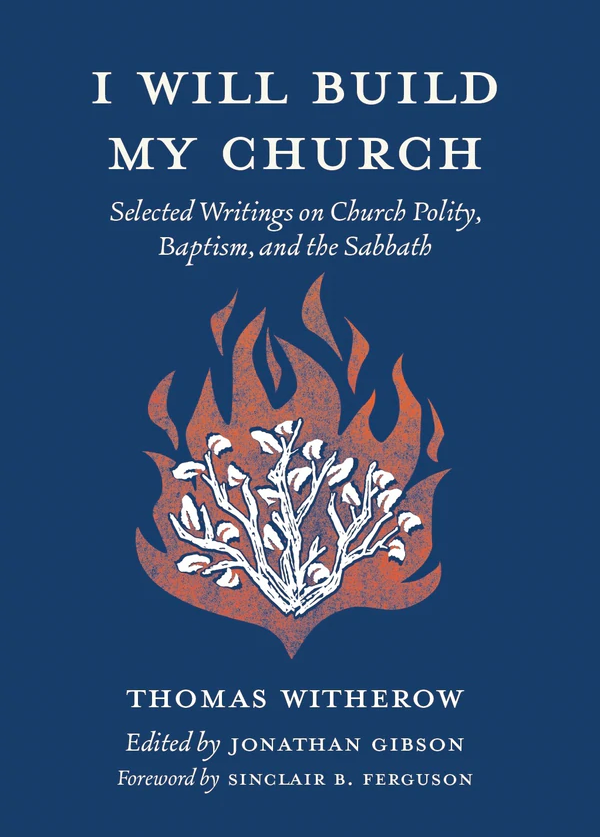
I Will Build My Church: Selected Writings on Church Polity, Baptism, and the Sabbath” by Thomas Witherow

“I Will Build My Church: Selected Writings on Church Polity, Baptism, and the Sabbath” by Thomas Witherow and edited by Jonathan Gibson, published by Westminster Seminary Press, is a compelling and insightful work that delves deeply into crucial aspects of Reformed ecclesiology and sacramental theology. This book provides an extensive examination of church governance, the sacraments, and the observance of the Sabbath, presenting these topics through a meticulously Reformed lens.

The main points of the book revolve around the foundational doctrines of the church’s polity, the proper administration of baptism, and the theological and practical significance of the Sabbath. The author argue for a biblically grounded and historically informed approach to church governance, emphasizing the necessity of adhering to scriptural mandates and the wisdom of the Reformed tradition. They present baptism not only as a sign and seal of the covenant of grace but also as a critical practice that underscores the unity and identity of the church. The Sabbath, according to Witherow, is a divinely instituted day of rest and worship, vital for the spiritual health and discipline of both individuals and the church community.

Witherow credentials lend significant weight to their work. Thomas Witherow, a 19th-century Irish Presbyterian minister and theologian, was a prolific writer on church history and polity. His deep understanding of Reformed theology and his commitment to scriptural fidelity are evident throughout his contributions to this volume. For the editor, Jonathan Gibson, he a contemporary theologian and professor at Westminster Theological Seminary, brings his expertise in biblical and systematic theology to the project. His scholarly rigor and pastoral sensitivity enrich the book, making it both academically robust and practically relevant.

When compared to other works on similar topics, “I Will Build My Church” stands out for its comprehensive treatment and its strong grounding in the Westminster Standards. Unlike some works that may focus narrowly on either the historical or the theological aspects of church polity, baptism, and the Sabbath, this book successfully integrates both dimensions. For instance, works like “The Church and the Surprising Offense of God’s Love” by Jonathan Leeman focus extensively on church discipline and polity from a more contemporary perspective. In contrast, Witherow offers a historically rich and theologically rigorous exposition that remains deeply connected to the Reformed confessional standards.

The content of “I Will Build My Church” is particularly valuable for understanding and applying God’s Word in the context of church life and personal faith. The discussions on church polity emphasize the biblical basis for Presbyterian governance, highlighting the roles of elders and deacons and the importance of orderly and accountable church leadership. These insights are not merely academic but offer practical guidance for organizing and leading church communities in a manner that honors Christ and edifies believers.

The book’s treatment of baptism is another strong point, underscoring its significance as more than a mere practice. The author explore its covenantal aspects, drawing from both Old and New Testament passages to argue that baptism signifies inclusion in the covenant community and participation in the promises of God. This theological depth provides pastors and laypeople alike with a richer understanding of baptism’s meaning and importance.

The author’s exploration of the Sabbath provides a robust biblical and theological rationale for its observance, arguing that the Sabbath is a creation ordinance with ongoing relevance for Christians. By grounding their arguments in Scripture, Witherow offers compelling reasons for why the Sabbath should be observed as a day of rest and worship, contributing to the spiritual well-being of individuals and the church as a whole.

From a practical perspective, this book is immensely useful for pastors. It offers a well-rounded theological foundation that can aid in preaching, teaching, and leading church communities. Pastors can draw on the detailed expositions and historical insights provided to address contemporary issues in church governance, sacramental practice, and Sabbath observance with greater confidence and clarity.

For laymen, “I Will Build My Church” serves as an excellent resource for deepening their understanding of key theological concepts and their application in everyday Christian life. The clear and accessible writing style makes complex theological ideas understandable, encouraging lay readers to engage more deeply with their faith and the practices of their church community.

The book’s cover and binding reflect the seriousness and academic nature of its content. The sturdy binding ensures that it will withstand regular use, making it a durable addition to any personal or church library. The cover design, while simple, is elegant and professional, fitting for a scholarly work of this nature.

In conclusion, “I Will Build My Church” provides a well-rounded and comprehensive understanding of Reformed polity, as well as ecclesiology, and sacramental theology. Its robust historical and theological perspectives make it a valuable resource for both individual study and pastoral use.

Statement of Compliance: “I received ‘I Will Build My Church’ by Westminster Seminary Press for the purpose of an unbiased review. I have not received any compensation for providing a positive review. My opinions are entirely my own and reflect my sincere evaluation of the book.”

Book Details:

  • Title: I Will Build My Church: Selected Writings on Church Polity, Baptism, and the Sabbath
  • Author: Thomas Witherow
  • Editor: Jonathan Gibson
  • Publisher: Westminster Seminary Press

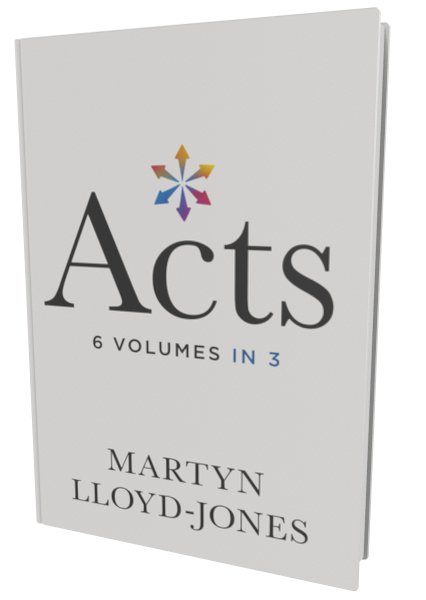
Acts 1-8 (6 Volumes in 3) by Martyn Lloyd-Jones

Martyn Lloyd-Jones’ Acts 1-8 (6 Volumes in 3) is a comprehensive and enriching commentary on the early chapters of the Book of Acts. This work delves deeply into the theological and practical implications of the birth and early growth of the Christian church. Lloyd-Jones, renowned for his expository preaching, offers a detailed exploration of the foundational events and doctrines of Christianity, providing readers with a robust understanding of the early church’s history and its relevance to contemporary faith.

The first major point of Lloyd-Jones’ commentary is his thorough exposition of the text. Each chapter of Acts is meticulously analyzed, with the author bringing out the historical context, linguistic nuances, and theological significance of each passage. For example, Lloyd-Jones explores the ascension of Christ, the coming of the Holy Spirit at Pentecost, and the establishment of the apostolic ministry with great detail. His exegesis is both scholarly and accessible, making complex theological concepts understandable for a broad audience.

Secondly, Lloyd-Jones emphasizes the practical application of the Acts narrative for modern Christians. He draws out lessons on faith, evangelism, community life, and the work of the Holy Spirit. His reflections on the apostles’ preaching, the early church’s communal living, and the challenges they faced provide contemporary believers with valuable insights into living out their faith in a secular world. Lloyd-Jones’ pastoral heart is evident as he continually applies the ancient text to present-day situations, encouraging readers to deepen their faith and commitment to Christ.

Thirdly, the commentary highlights the sovereign work of God in the growth of the church. Lloyd-Jones underscores the importance of relying on the Holy Spirit for guidance, empowerment, and perseverance. He shows how the events in Acts were orchestrated by God’s providential hand, fulfilling His redemptive purposes. This theme is particularly evident in his discussions of the boldness of the apostles, the miraculous conversions, and the expansion of the church despite persecution.

Martyn Lloyd-Jones, a Welsh Protestant minister and influential theologian, is well-credentialed to write this commentary. His ministry at Westminster Chapel in London was marked by a commitment to expository preaching and Reformed theology. Lloyd-Jones’ academic background in medicine and his subsequent theological training provide a unique perspective, blending analytical precision with deep spiritual insight. His previous works, such as Studies in the Sermon on the Mount and Romans: Exposition of Chapter 1, have established him as a leading voice in evangelical scholarship.

When compared to other commentaries on Acts, such as those by John Stott or F.F. Bruce, Lloyd-Jones’ work stands out for its depth of application and pastoral focus. While Stott provides concise and clear exegesis, and Bruce offers rigorous historical analysis, Lloyd-Jones excels in drawing practical lessons and spiritual encouragement from the text. His sermons-turned-commentaries are rich in homiletical content, making them particularly useful for preachers and teachers.

The content of Acts 1-8 (6 Volumes in 3) is immensely valuable for understanding God’s Word and applying it to daily life. Lloyd-Jones’ detailed exposition ensures that readers grasp the full meaning of the text, while his practical applications help integrate these insights into personal and communal faith practice. For instance, his reflections on the importance of prayer, the role of the Holy Spirit, and the necessity of bold witness challenge readers to examine and deepen their spiritual lives.

Lloyd-Jones’ use of the Bible is exemplary. He consistently grounds his commentary in the text of Scripture, cross-referencing extensively to provide a comprehensive biblical theology. His exegesis is methodical, ensuring that his interpretations are rooted in the biblical text rather than personal opinion or contemporary trends. This fidelity to Scripture makes his commentary a trustworthy resource for serious Bible study.

For pastors, this commentary is a treasure trove of sermon material. Lloyd-Jones’ detailed outlines, rich illustrations, and practical applications provide a ready-made resource for preaching through the early chapters of Acts. His theological depth and pastoral sensitivity ensure that sermons based on his work will be both doctrinally sound and spiritually edifying.

Laypeople will also find this commentary accessible and enriching. Lloyd-Jones’ clear explanations and practical focus make it suitable for personal study or group discussions. His ability to apply the ancient text to modern life helps believers see the relevance of the Book of Acts for their daily walk with Christ.

The book cover and binding of Acts 1-8 (6 Volumes in 3) are professional and durable, reflecting the high quality of its content. The layout is user-friendly, with clear headings, subheadings, and ample space for notes, making it easy to navigate and study.

This commentary can be used effectively in conjunction with other works, such as study Bibles and theological dictionaries. Its depth of exegesis complements more concise resources, while its practical applications enhance devotional materials. Combining Lloyd-Jones’ commentary with other scholarly works allows for a well-rounded understanding of the Book of Acts.

In conclusion, Acts 1-8 (6 Volumes in 3) by Martyn Lloyd-Jones is an invaluable resource for anyone seeking to deepen their understanding of the early church and apply its lessons to contemporary faith. Its blend of rigorous exegesis, practical application, and pastoral insight makes it a must-read for pastors, teachers, and laypeople alike.

“I received Acts 1-8 (6 Volumes in 3) by Banner of Truth Trust for the purpose of an unbiased review. I have not received any compensation for providing a positive review. My opinions are entirely my own and reflect my sincere evaluation of the book.”

Book Details:

  • Title: Acts 1-8 (6 Volumes in 3)
  • Author: Martyn Lloyd-Jones
  • Publisher: Crossway

Galatians: Evangelical Biblical Theology Commentary (EBTC) by Matthew S. Harmon

In “Galatians: Evangelical Biblical Theology Commentary,” Matthew S. Harmon provides readers with a comprehensive and accessible exposition of the book of Galatians from an evangelical biblical theology perspective. Harmon skillfully navigates through the intricate theological themes of Galatians, emphasizing the centrality of the gospel message and the believer’s freedom in Christ. Throughout the commentary, Harmon highlights the overarching narrative of redemption and the implications of the gospel for both individual believers and the church as a whole.

Matthew S. Harmon, the author of “Galatians: Evangelical Biblical Theology Commentary,” is an esteemed scholar with extensive credentials in biblical studies and theological education. Holding a Ph.D. from Wheaton College, Harmon is a recognized authority in the field of New Testament studies, particularly in the Pauline epistles. His scholarly expertise, coupled with his commitment to evangelical theology, makes him a reliable guide for readers seeking to engage with the biblical text in a faithful and intellectually rigorous manner.

Compared to other commentaries on Galatians, Harmon’s work stands out for its focus on evangelical biblical theology. While some commentaries may prioritize historical-critical analysis or exegetical detail, Harmon’s approach places a strong emphasis on tracing the theological themes of Galatians and their implications for Christian faith and practice. This theological orientation sets “Galatians: Evangelical Biblical Theology Commentary” apart from other commentaries and makes it a valuable resource for pastors, scholars, and lay readers alike.

Harmon’s commentary delves into the theological heart of Galatians, exploring key themes such as justification by faith, the believer’s union with Christ, and the role of the law in the Christian life. By unpacking these theological concepts, Harmon helps readers understand the significance of Paul’s message for their lives today. Whether grappling with questions of legalism, freedom in Christ, or the nature of gospel ministry, readers will find Harmon’s insights both intellectually stimulating and spiritually enriching.

Throughout his commentary, Harmon demonstrates a deep reverence for Scripture and a commitment to biblical authority. He carefully exegetes the text of Galatians, drawing out its meaning within its historical and literary context. Harmon’s interpretation is grounded in a robust understanding of the biblical narrative and the theological framework of the New Testament. By engaging with the text in this way, Harmon ensures that his commentary remains faithful to the biblical text and relevant to contemporary readers.

“Galatians: Evangelical Biblical Theology Commentary” is a valuable resource for pastors seeking to preach and teach the book of Galatians with depth and clarity. Harmon’s insights into the theological themes of Galatians provide pastors with rich material for crafting sermons and guiding their congregations in the Christian faith. Similarly, lay readers will find Harmon’s commentary accessible and enlightening, offering them a deeper understanding of the gospel message and its implications for their lives.

The cover design and binding of “Galatians: Evangelical Biblical Theology Commentary” are both functional and aesthetically pleasing. The durable binding ensures that the book will withstand regular use, while the cover design reflects the scholarly nature of the content within. While aesthetics are secondary to content, the book’s cover and binding contribute to its overall quality and appeal.

Harmon’s commentary can be effectively used in conjunction with other theological resources to provide readers with a well-rounded understanding of Galatians. Whether studied alongside other commentaries, theological treatises, or biblical studies resources, Harmon’s insights offer readers a deeper appreciation for the theological richness of Paul’s letter to the Galatians. His commentary serves as a valuable addition to any theological library and a trusted guide for engaging with the biblical text.

In “Galatians: Evangelical Biblical Theology Commentary,” Harmon presents readers with a robust framework for understanding the theological message of Galatians and its implications for Christian faith and practice. By tracing the themes of justification, freedom in Christ, and the work of the Spirit throughout the letter, Harmon demonstrates the transformative power of the gospel in the lives of believers and the life of the church. His commentary serves as a theological roadmap for both individual believers and the broader church community, guiding them in their pursuit of faithful discipleship and gospel-centered living.

Statement of Compliance: “I received ‘Galatians: Evangelical Biblical Theology Commentary’ by Lexham for the purpose of an unbiased review. I have not received any compensation for providing a positive review. My opinions are entirely my own and reflect my sincere evaluation of the book.”

Book Details:

  • Title: Galatians: Evangelical Biblical Theology Commentary
  • Author: Matthew S. Harmon
  • Publisher: Lexham

Joshua: Evangelical Biblical Theology Commentary (EBTC) by David G. Firth

In “Joshua: Evangelical Biblical Theology Commentary,” David G. Firth provides readers with a comprehensive exploration of the biblical book of Joshua. Firth delves into the historical, theological, and practical dimensions of Joshua’s narrative, offering insights into its significance for contemporary believers. The commentary highlights key themes such as the covenant faithfulness of God, the conquest and settlement of the Promised Land, and the importance of obedience to God’s commands. Through careful exegetical analysis and theological reflection, Firth illuminates the relevance of Joshua’s story for understanding God’s purposes in history and for shaping the faith and life of God’s people today.

David G. Firth, the author of “Joshua: Evangelical Biblical Theology Commentary,” is a respected biblical scholar with a wealth of academic and pastoral experience. Firth holds a Ph.D. in Old Testament studies and has authored numerous scholarly articles and books on biblical theology. As a committed evangelical Christian, Firth brings a deep reverence for Scripture and a passion for biblical interpretation to his work. His credentials, including teaching positions at reputable theological institutions, attest to his expertise in Old Testament studies and his commitment to faithfully expounding the Word of God.

Compared to other commentaries on the book of Joshua, Firth’s work stands out for its evangelical biblical theology approach. While some commentaries may focus primarily on historical or literary analysis, Firth’s commentary emphasizes the theological significance of Joshua’s narrative within the broader biblical context. This theological perspective allows Firth to draw out the overarching themes and theological motifs present in Joshua’s story, making his commentary valuable for both academic study and spiritual reflection.

Firth’s commentary on Joshua provides readers with valuable insights into the biblical text and its relevance for Christian faith and life. By unpacking the historical context, literary features, and theological themes of Joshua’s narrative, Firth helps readers to understand the text more deeply and apply its teachings to their lives. Whether exploring the concept of divine sovereignty, the nature of covenant relationship, or the importance of faithfulness and obedience, Firth’s commentary offers practical wisdom for navigating the challenges of discipleship and living faithfully in accordance with God’s Word.

Throughout “Joshua: Evangelical Biblical Theology Commentary,” Firth demonstrates a deep respect for the authority and inspiration of Scripture. He engages in careful exegesis of the biblical text, drawing out its meaning and significance through interaction with the original languages and literary context. Firth’s commentary is richly annotated with references to relevant biblical passages, allowing readers to see how Joshua’s narrative connects with other parts of Scripture and contributes to the overarching story of God’s redemptive purposes in history.

For pastors and church leaders, Firth’s commentary on Joshua serves as a valuable resource for sermon preparation, Bible study, and pastoral ministry. Firth’s insights into the theological themes of Joshua’s narrative provide pastors with material for preaching and teaching that is both biblically grounded and theologically rich. Additionally, Firth’s commentary offers practical guidance for applying the lessons of Joshua to the life of the church, whether in the context of worship, discipleship, or mission.

Lay readers will also benefit from Firth’s commentary on Joshua, which presents the biblical text in an accessible and engaging manner. Firth’s clear and concise writing style makes complex theological concepts understandable to a wide audience, allowing laymen to deepen their understanding of the biblical text and its relevance for their lives. Whether used for personal study, family devotions, or group discussion, Firth’s commentary offers lay readers a valuable resource for growing in their knowledge and love of God’s Word.

The cover design and binding of “Joshua: Evangelical Biblical Theology Commentary” reflect the scholarly nature and practical utility of the book. The cover artwork, featuring imagery related to the biblical narrative of Joshua, serves as an inviting entry point into the content of the commentary. The sturdy binding ensures that the book will withstand regular use and remain a durable addition to any theological library.

Firth’s commentary on Joshua can be effectively used in conjunction with other biblical commentaries, theological works, and resources for studying Scripture. Whether read alongside other evangelical commentaries on Joshua, theological treatises on covenant theology, or practical guides for Christian living, Firth’s commentary enriches the reader’s understanding of the biblical text and its implications for faith and practice. By engaging with a variety of perspectives and sources, readers can gain a more comprehensive understanding of Joshua’s narrative and its significance for the Christian life.

In “Joshua: Evangelical Biblical Theology Commentary,” Firth presents a coherent framework for understanding the theological significance of Joshua’s narrative within the context of the broader biblical story. Through careful exegetical analysis and theological reflection, Firth unpacks the themes of covenant, conquest, and obedience that permeate Joshua’s story, highlighting their relevance for understanding God’s redemptive purposes in history. This framework serves as a guide for individual believers and the church as a whole, directing them in their pursuit of faithful discipleship and corporate worship.

Statement of Compliance: “I received ‘Joshua: Evangelical Biblical Theology Commentary’ by Lexham for the purpose of an unbiased review. I have not received any compensation for providing a positive review. My opinions are entirely my own and reflect my sincere evaluation of the book.”

Book Details:

  • Title: Joshua: Evangelical Biblical Theology Commentary (EBTC)
  • Author: David G. Firth
  • Publisher: Lexham

Evangelism: For the Care of Souls (Lexham Ministry Guides)by Sean McGever

“Evangelism: For the Care of Souls” by Sean McGever serves as a comprehensive guide for understanding and engaging in evangelism from a pastoral perspective. McGever meticulously explores the theological foundations of evangelism, emphasizing its crucial role in the care of souls within the Christian community. Through a series of practical insights and biblical reflections, he equips readers with the tools necessary to effectively proclaim the Gospel message and nurture spiritual growth in others.

Sean McGever, a seasoned pastor and theologian, brings a wealth of experience and expertise to his writing on evangelism. With a background in pastoral ministry and theological education, McGever is well-equipped to address the complexities of evangelism from both theoretical and practical perspectives. His credentials include advanced degrees in theology and ministry, as well as extensive experience in teaching and mentoring others in the area of evangelism. McGever’s writing reflects a deep commitment to the principles of Reformed theology and a passion for equipping believers to fulfill the Great Commission.

In comparison to other books on evangelism, “Evangelism: For the Care of Souls” stands out for its comprehensive approach and theological depth. While some works on evangelism may focus solely on practical strategies or techniques, McGever’s book grounds its insights in a robust theological framework rooted in Scripture. This distinguishes it from more pragmatic approaches to evangelism and highlights the importance of understanding evangelism as a holistic expression of pastoral care and spiritual formation.

McGever’s book delves into the heart of evangelism, exploring its theological significance and practical implications for the Christian life. Through careful exegetical analysis and theological reflection, he unpacks key biblical passages related to evangelism and demonstrates how they inform our understanding of God’s mission in the world. Furthermore, McGever offers practical strategies and tips for engaging in evangelism in various contexts, from personal conversations to formal preaching and teaching settings.

Use of the Bible:

Throughout “Evangelism: For the Care of Souls,” McGever demonstrates a deep respect for Scripture and a commitment to its authority in matters of faith and practice. He frequently references biblical passages and employs sound hermeneutical principles to interpret them in their proper context. By grounding his insights in the Word of God, McGever ensures that his teachings on evangelism remain firmly rooted in the timeless truths of Scripture.

Book Cover and Binding:

The cover design and binding of “Evangelism: For the Care of Souls” reflect the book’s scholarly content and practical orientation. The durable binding ensures that the book will withstand regular use, while the cover design conveys a sense of gravitas and importance befitting its subject matter. While aesthetics are secondary to content, the book’s cover and binding contribute to its overall appeal and longevity as a valuable resource for pastors and laymen alike.

Statement of Compliance:
“I received ‘Evangelism: For the Care of Souls’ by Lexham for the purpose of an unbiased review. I have not received any compensation for providing a positive review. My opinions are entirely my own and reflect my sincere evaluation of the book.”

Book Details:

Title: Evangelism: For the Care of Souls
Author: Sean McGever
Publisher: Lexham

« Older posts Newer posts »

© 2026 The Puritan Reader

Theme by Anders NorenUp ↑