Page 8 of 18

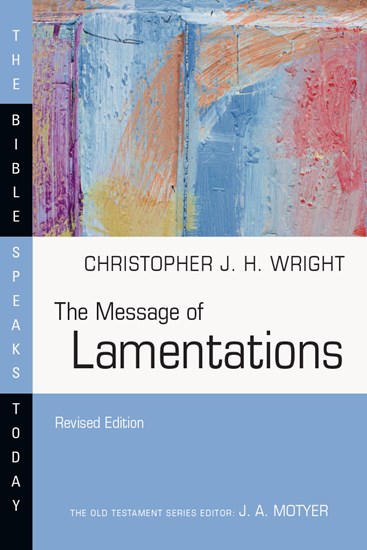
The Message of Lamentations (New Studies in Biblical Theology) by Christopher J. H. Wright

“The Message of Lamentations” by Christopher J. H. Wright offers a profound exploration of the biblical book of Lamentations, delving into its historical context, literary structure, and theological significance. Wright begins by providing an overview of the book’s background, highlighting its lament genre and its placement within the broader biblical narrative. He then proceeds to analyze each chapter of Lamentations, unpacking its themes of suffering, repentance, and hope in the midst of despair. Throughout the book, Wright emphasizes the importance of understanding Lamentations in its historical context while also drawing out its timeless relevance for contemporary readers.

Christopher J. H. Wright, a respected Old Testament scholar and Anglican clergyman, brings a wealth of academic expertise and pastoral insight to his exploration of Lamentations. As the International Ministries Director of Langham Partnership and the author of numerous books on biblical theology, Wright is well-qualified to engage with the complexities of Old Testament texts. His credentials include a Ph.D. in Old Testament studies from the University of Cambridge and extensive experience teaching and preaching in various church contexts. Wright’s approach combines rigorous scholarship with a deep commitment to the authority of Scripture, making his work highly respected within evangelical circles.

In comparison to other books on Lamentations, Wright’s “The Message of Lamentations” stands out for its combination of academic rigor and pastoral sensitivity. While some commentaries may focus primarily on exegetical analysis, Wright’s work goes beyond mere textual interpretation to explore the theological and practical implications of Lamentations for believers today. His emphasis on the book’s themes of lament, repentance, and hope distinguishes his commentary from others and makes it a valuable resource for pastors, scholars, and lay readers alike.

Wright’s exploration of Lamentations offers readers a deep and nuanced understanding of the book’s message and its relevance for Christian life and faith. By examining the various laments found within the book, Wright helps readers to engage with the reality of suffering and to find hope in God’s faithfulness, even in the midst of despair. His analysis of the theological themes of lament, repentance, and restoration provides readers with practical insights into how they can respond faithfully to trials and difficulties in their own lives.

Throughout “The Message of Lamentations,” Wright demonstrates a thorough engagement with the biblical text, drawing upon both historical-critical methods and theological interpretation. He carefully exegetes each passage of Lamentations, paying close attention to its literary structure, linguistic features, and theological themes. Additionally, Wright consistently anchors his interpretation in the broader biblical narrative, demonstrating how Lamentations fits within the overarching story of God’s redemptive work in the world.

For pastors and church leaders, “The Message of Lamentations” serves as a valuable resource for preaching, teaching, and pastoral care. Wright’s insights into the themes of lament, repentance, and hope provide pastors with biblical wisdom and practical guidance for shepherding their congregations through times of trial and suffering. His exegetical analysis and theological reflection offer pastors a solid foundation for crafting sermons and leading Bible studies that address the real-life struggles of their congregants.

Statement of Compliance: “I received ‘The Message of Lamentations’ by IVP for the purpose of an unbiased review. I have not received any compensation for providing a positive review. My opinions are entirely my own and reflect my sincere evaluation of the book.”

Book Details:

  • Title: The Message of Lamentations
  • Author: Christopher J. H. Wright
  • Publisher: IVP

The Glory of God and Paul (New Studies in Biblical Theology) by Christopher W. Morgan and Robert A. Peterson

“The Glory of God and Paul” delves into the theological understanding of the apostle Paul regarding the glory of God as revealed in his writings. Christopher W. Morgan and Robert A. Peterson meticulously examine various passages from Paul’s letters to elucidate his theology concerning God’s glory. The book highlights Paul’s conviction that the ultimate purpose of human existence is to glorify God, and it underscores the centrality of this theme in Paul’s thought and ministry. Through a thorough analysis of Pauline theology, the authors provide readers with a deeper understanding of the glory of God and its significance for Christian life and mission.

Christopher W. Morgan and Robert A. Peterson are both esteemed scholars in the field of biblical theology. Morgan serves as Dean of the School of Christian Ministries and Professor of Theology at California Baptist University, while Peterson is Professor of Systematic Theology at Covenant Theological Seminary. Both authors have extensive experience in teaching and research, with numerous publications to their credit. Their combined expertise in biblical studies and theology lends credibility to their exploration of Paul’s theology of the glory of God.

Compared to other books on biblical theology and Pauline studies, “The Glory of God and Paul” stands out for its comprehensive examination of the theme of God’s glory in Paul’s writings. While some works may focus on specific aspects of Paul’s theology or particular passages, Morgan and Peterson provide a holistic treatment of the subject, drawing from a wide range of Pauline letters. Their approach combines exegetical analysis with theological reflection, offering readers a thorough and integrated understanding of Paul’s perspective on the glory of God.

The content of “The Glory of God and Paul” offers profound insights into the theological richness of Paul’s writings and their relevance for contemporary Christian life. By exploring Paul’s theology of God’s glory, readers gain a deeper appreciation for the overarching purpose of human existence and the transformative power of the gospel. Morgan and Peterson skillfully demonstrate how Paul’s theology of the glory of God informs and shapes the Christian’s understanding of worship, mission, and ethical living. The practical implications of this theology are profound, as it challenges believers to orient their lives toward the glory of God in every aspect.

For pastors and church leaders, “The Glory of God and Paul” serves as a valuable resource for preaching, teaching, and discipleship. By gaining a deeper understanding of Paul’s theology of the glory of God, pastors can effectively communicate the gospel message and equip believers for faithful living. Laymen will also benefit from the book’s accessible presentation of theological concepts, which can enrich their personal study and deepen their walk with God. Whether used for individual reflection or group study, “The Glory of God and Paul” offers practical insights that are relevant to the life of every believer.

The cover design and binding of “The Glory of God and Paul” reflect the scholarly nature of the book while also making it visually appealing and durable. The cover art and typography are tastefully done, drawing readers’ attention to the book’s subject matter. The sturdy binding ensures that the book will withstand regular use and remain a cherished addition to any theological library.

Statement of Compliance: “I received ‘The Glory of God and Paul’ by IVP for the purpose of an unbiased review. I have not received any compensation for providing a positive review. My opinions are entirely my own and reflect my sincere evaluation of the book.”

Book Details:

  • Title: The Glory of God and Paul
  • Authors: Christopher W. Morgan & Robert A. Peterson
  • Publisher: IVP

The Reformed Systematic Theology, Vol. 3 by Beeke, Joel R. & Smalley, Paul

“The Reformed Systematic Theology, Vol. 3” is the culmination of rigorous theological scholarship, presenting a comprehensive examination of key doctrines within the Reformed tradition. Authored by Joel R. Beeke and Paul Smalley, the book delves into topics such as soteriology, ecclesiology, and eschatology, providing readers with a thorough understanding of Reformed theology. The authors draw from the rich theological heritage of the Reformed tradition, grounding their discussions in the Westminster Standards and other confessional documents. Through systematic exposition and careful analysis, Beeke and Smalley offer readers a robust theological framework for understanding the Christian faith.

Joel R. Beeke and Paul Smalley are esteemed Reformed scholars known for their deep theological insight and commitment to the authority of Scripture. Beeke, a prolific author and pastor, serves as president of Puritan Reformed Theological Seminary and is widely respected for his expertise in Puritan theology. Smalley, a seasoned theologian and academic, brings a wealth of knowledge to the project, having taught theology at various seminaries and institutions. Their credentials, rooted in extensive theological training and pastoral experience, lend credibility to their work and ensure its relevance within Reformed circles.

“The Reformed Systematic Theology, Vol. 3” offers readers a wealth of theological insights with practical implications for Christian living. By exploring doctrines such as salvation, the church, and the last things, Beeke and Smalley equip readers with a solid foundation for understanding and applying Reformed theology in their daily lives. Through clear and engaging prose, the authors demonstrate how Reformed theology shapes believers’ understanding of God, themselves, and the world around them. This application-oriented approach ensures that their work is not merely theoretical but deeply relevant to the Christian life.

Throughout “The Reformed Systematic Theology, Vol. 3,” Beeke and Smalley demonstrate a firm commitment to biblical authority, grounding their theological reflections in Scripture. They carefully exegete passages from the Bible to support their doctrinal assertions, ensuring that their teachings remain firmly rooted in God’s Word. This reliance on Scripture underscores the authors’ commitment to the principle of sola Scriptura and serves as a model for contemporary theologians and pastors seeking to uphold the authority of God’s Word in all matters of faith and practice.

“The Reformed Systematic Theology, Vol. 3” can be effectively used in conjunction with other theological works to provide a well-rounded understanding of Reformed theology. Whether studied alongside the Westminster Standards, Calvin’s Institutes, or contemporary theological texts, Beeke and Smalley’s insights offer readers a deeper appreciation for the riches of Reformed tradition. Their work serves as a valuable resource for those seeking to engage with the theological heritage of the Reformed faith and apply its principles to their lives and ministries.

The cover design and binding of “The Reformed Systematic Theology, Vol. 3” reflect the book’s scholarly content and enduring significance. The sturdy binding ensures that the book will withstand regular use, while the elegant cover design conveys a sense of gravitas and importance. While aesthetics are secondary to content, the book’s cover and binding contribute to its overall appeal and durability, making it a valuable addition to any theological library.

Statement of Compliance: “I received ‘The Reformed Systematic Theology, Vol. 3’ by Crossway for the purpose of an unbiased review. I have not received any compensation for providing a positive review. My opinions are entirely my own and reflect my sincere evaluation of the book.”

Book Details:

  • Title: The Reformed Systematic Theology, Vol. 3
  • Authors: Joel R. Beeke & Paul Smalley
  • Publisher: Crossway

The Shorter Writings of George Gillespie, Vol. 3

*I have a personal confession: I have been looking forward to this volume for quite some time, and it has surpassed all expectations. The RHB’s collaboration with Naphtali Press for its Special Editions usually are top-notch, but this one exceeds them all and is a fitting end to the Shorter Writings of George Gillespie*

“The Shorter Writings of George Gillespie, Vol. 3” offers a comprehensive collection of theological essays and treatises from the renowned Scottish theologian George Gillespie. Spanning various topics ranging from ecclesiology to worship, the book provides readers with insights into Gillespie’s profound understanding of Reformed theology. Central themes include the sovereignty of God, the nature of the church, and the principles of worship, all viewed through the lens of what would later be known as Westminster Standards. Gillespie’s writings serve as a valuable resource for those seeking to deepen their understanding of Reformed theology and its practical implications. The crown jewel of this work is his diary of the proceedings of the Westminster Assembly, which offers a rare glimpse into the debates that were held and which specific Puritans held certain arguments.

For a little more about the author, George Gillespie was a prominent figure in the seventeenth-century Scottish church, known for his exceptional intellect and unwavering commitment to Reformed theology. As a minister, theologian, and member of the Westminster Assembly, Gillespie played a significant role in shaping the doctrinal landscape of Presbyterianism. His credentials include a thorough education in theology and philosophy, as well as extensive experience in pastoral ministry and ecclesiastical affairs. Gillespie’s writings reflect his deep theological insight and practical wisdom, making him a trusted authority in Reformed circles.

Gillespie’s writings offer readers a rich theological feast, covering a wide range of topics relevant to Christian life and practice. His insights into the nature of the church, the role of the magistrate, and the principles of worship provide readers with a solid foundation for understanding and applying Reformed theology in their daily lives.

“The Shorter Writings of George Gillespie, Vol. 3” serves as a valuable resource for pastors and church leaders seeking to deepen their theological understanding and ministerial effectiveness. Gillespie’s insights into ecclesiology, worship, and pastoral ministry offer practical guidance for navigating the complexities of pastoral life. Pastors can draw upon Gillespie’s wisdom to address theological questions, shepherd their congregations, and promote biblical fidelity in their ministry contexts.

The cover design and binding of “The Shorter Writings of George Gillespie, Vol. 3” reflect the book’s scholarly content and historical significance. While the design is bland, which I think was the intention, the sturdy binding ensures that the book will withstand regular use and remain a cherished addition to any theological library. While aesthetics are secondary to content, the book’s cover and binding contribute to its overall appeal and durability.

Statement of Compliance:
“I received ‘The Shorter Writings of George Gillespie, Vol. 3’ by Reformation Heritage Books and Naphtali Press for the purpose of an unbiased review. I have not received any compensation for providing a positive review. My opinions are entirely my own and reflect my sincere evaluation of the book.”

Book Details:

Title: The Shorter Writings of George Gillespie, Vol. 3
Author: George Gillespie
Publisher: Reformation Heritage Books and Naphtali Press

The Pastoral Epistles: A Commentary on the Greek Text by Stanley E. Porter

“The Pastoral Epistles” by Stanley E. Porter offers a comprehensive commentary on the Greek text of 1 & 2 Timothy and Titus. Porter carefully examines the linguistic, historical, and theological dimensions of these letters, providing insights into the context and content of Paul’s pastoral instructions. The commentary addresses key themes such as church leadership, sound doctrine, and the conduct of believers, offering practical guidance for both pastors and lay readers..

Stanley E. Porter, a distinguished scholar in New Testament studies, brings a wealth of expertise to this commentary. As a prolific author and respected academic, Porter’s credentials include a deep understanding of Greek language and literature, as well as a commitment to exegetical rigor. His previous works on Pauline theology and biblical interpretation contribute to the credibility and reliability of this commentary, ensuring that readers engage with sound scholarship and theological insight.

In comparison to other commentaries on the Pastoral Epistles, Porter’s work stands out for its exegetical depth and linguistic analysis. While some commentaries may focus more on theological interpretation or pastoral application, Porter’s approach prioritizes the original Greek text and its grammatical nuances. This emphasis on linguistic precision enhances readers’ understanding of Paul’s intended meaning and fosters a deeper appreciation for the richness of the biblical text.

Porter’s commentary provides invaluable insights into the pastoral challenges faced by the early church and their relevance to contemporary Christian ministry. By unpacking Paul’s instructions on church leadership, sound doctrine, and ethical conduct, the commentary equips pastors with practical wisdom for shepherding God’s people. Moreover, lay readers will find encouragement and guidance in applying biblical principles to their daily lives, fostering spiritual growth and maturity.

Pastors will find Porter’s commentary to be an indispensable resource for sermon preparation and biblical teaching. The exegetical insights and theological reflections offered in each section provide pastors with a solid foundation for preaching and pastoral care. Additionally, the commentary’s focus on practical application ensures that pastors can effectively address contemporary issues within the church while remaining faithful to the biblical text.

Lay readers will benefit from Porter’s clear and accessible presentation of complex theological concepts. The commentary’s user-friendly format and explanatory notes make it suitable for personal study or group discussions. Laymen will appreciate Porter’s emphasis on the relevance of the Pastoral Epistles to their everyday lives, providing them with practical wisdom for navigating challenges and growing in their faith.

The framework of “The Pastoral Epistles” reflects a holistic approach to biblical interpretation, emphasizing the interconnectedness of theology, language, and practical application. Porter’s exegetical insights are skillfully woven together with theological reflection, providing readers with a comprehensive understanding of Paul’s pastoral teachings. By stressing the relevance of the Pastoral Epistles to both individual believers and the church as a whole, Porter underscores the timeless wisdom of Scripture and its enduring significance for Christian life and ministry.

The cover design of “The Pastoral Epistles” reflects the academic nature of the commentary, featuring a simple yet elegant layout. The durable binding ensures that the book withstands regular use and remains a valuable resource for years to come. While aesthetics are secondary to content, the cover design contributes to the overall professionalism of the book.

Statement of Compliance:
“I received ‘The Pastoral Epistles: A Commentary on the Greek Text’ by Baker Academic for the purpose of an unbiased review. I have not received any compensation for providing a positive review. My opinions are entirely my own and reflect my sincere evaluation of the book.”

Book Details:

Title: The Pastoral Epistles: A Commentary on the Greek Text
Author: Stanley E. Porter
Publisher: Baker Academic

The Book of Jeremiah (ECBC) by JA Thompson

In “The Book of Jeremiah” by J. A. Thompson, readers are offered a comprehensive exploration of the prophetic book within the Old Testament. Thompson delves into the historical context, literary structure, and theological themes of Jeremiah’s prophecies, shedding light on their relevance for contemporary readers. The book is divided into sections corresponding to the chapters of Jeremiah, allowing for a systematic study of each segment of the prophet’s message. Throughout the commentary, Thompson emphasizes the prophetic call to repentance, the impending judgment on Israel, and the promise of restoration, highlighting the enduring relevance of Jeremiah’s words for God’s people today.

J. A. Thompson, a distinguished biblical scholar, brings to this commentary a wealth of academic expertise and pastoral insight. With a background in both biblical scholarship and ministry, Thompson’s credentials lend credibility to his interpretation of Jeremiah’s prophetic writings. Having authored numerous scholarly works and commentaries, Thompson is recognized for his meticulous research and balanced theological perspectives, making him a trusted voice in the field of Old Testament studies.

Compared to other commentaries on Jeremiah, Thompson’s work stands out for its accessibility and depth of analysis. While some commentaries may focus primarily on exegetical details or historical context, Thompson strikes a balance between scholarly rigor and practical application. His commentary is suitable for both pastors seeking sermon material and lay readers desiring a deeper understanding of the book of Jeremiah.

Thompson’s commentary on Jeremiah effectively bridges the gap between ancient prophecy and contemporary relevance. By exploring themes of sin, judgment, and redemption, Thompson invites readers to reflect on the enduring consequences of disobedience and the steadfastness of God’s covenantal promises. The practical implications of Jeremiah’s message for individual believers and the church as a whole are brought to light, challenging readers to align their lives with God’s will and to trust in His faithfulness amidst adversity.

Thompson’s commentary demonstrates a thorough engagement with the biblical text, citing relevant passages and cross-references to support his interpretive insights. By grounding his analysis in the broader context of Scripture, Thompson ensures the integrity of his exegetical conclusions and underscores the interconnectedness of biblical themes. This approach encourages readers to consider Jeremiah’s prophecies within the broader narrative of God’s redemptive plan, deepening their appreciation for the unity and coherence of Scripture.

Pastors will find Thompson’s commentary to be a valuable resource for sermon preparation and biblical teaching. The clear exposition of Jeremiah’s message, coupled with practical applications for contemporary congregations, equips pastors to address relevant theological issues and spiritual challenges. Thompson’s insights into the prophetic call to repentance and the assurance of God’s faithfulness offer pastors a rich reservoir of material for guiding their congregations in faithful living.

For lay readers seeking to deepen their understanding of the book of Jeremiah, Thompson’s commentary provides a user-friendly entry point into the complexities of the prophetic literature. The accessible language and clear organization make it suitable for personal study or group discussions within church settings. Laymen will appreciate Thompson’s ability to distill scholarly insights into digestible nuggets of wisdom, empowering them to apply Jeremiah’s message to their everyday lives.

The book cover of “The Book of Jeremiah” is tastefully designed, featuring the title and author’s name in clear, legible font against a background suggestive of ancient parchment. The durable binding ensures that the book will withstand regular use and remain a staple in one’s library for years to come. While aesthetics may vary, the practicality and durability of the cover and binding contribute to the overall value of the book.

Thompson’s commentary on Jeremiah can be effectively used in conjunction with other biblical commentaries, systematic theology texts, and devotional resources. Whether employed as a standalone study or as part of a broader curriculum, Thompson’s insights complement and enrich other works in the field of Old Testament studies. By integrating multiple perspectives and sources, readers can gain a more comprehensive understanding of Jeremiah’s prophetic message and its implications for Christian faith and practice.

Thompson’s commentary on Jeremiah offers readers a holistic framework for understanding the prophet’s message within its historical, literary, and theological context. By emphasizing the timeless truths of God’s judgment and mercy, Thompson underscores the relevance of Jeremiah’s words for contemporary believers. The application of Jeremiah’s message to individual believers and the church at large serves as a poignant reminder of God’s sovereignty and faithfulness amidst the complexities of human history. Through Thompson’s insightful commentary, readers are encouraged to heed the prophetic call to repentance, embrace God’s promises of restoration, and live faithfully in accordance with His Word.

Statement of Compliance:
“I received ‘The Book of Jeremiah’ by Eerdmans for the purpose of an unbiased review. I have not received any compensation for providing a positive review. My opinions are entirely my own and reflect my sincere evaluation of the book.”

Book Details:

Title: The Book of Jeremiah
Author: J. A. Thompson
Publisher: Eerdmans

Reformed Systematic Theology, Volume 2: Man and Christ by Joel R. Beeke and Paul M. Smalley

“Reformed Systematic Theology, Volume 2: Man and Christ” is a scholarly work by Joel R. Beeke and Paul M. Smalley that delves into the theological intricacies of the Reformed tradition. Divided into two major sections, the volume expounds on the doctrines of man and Christ, providing a comprehensive understanding of these fundamental aspects within the framework of Reformed theology. It systematically explores topics such as the nature and fall of man, the person and work of Christ, and the application of redemption.

Joel R. Beeke and Paul M. Smalley, both esteemed scholars and theologians, bring a wealth of experience and knowledge to this systematic theology. Beeke, known for his extensive contributions to Reformed literature, and Smalley, with a background in pastoral ministry, form a dynamic duo that blends academic rigor with pastoral sensitivity. Their commitment to the Reformed tradition is evident throughout the book, reinforcing their authority in presenting doctrinal truths.

In comparison to other systematic theologies, this volume stands out for its meticulous adherence to Reformed theology, particularly within the framework of the Westminster Standards. While some systematic theologies adopt a more broad and ecumenical approach, Beeke and Smalley remain firmly rooted in the distinctives of the Reformed tradition. This focus ensures that readers seeking a comprehensive understanding of Reformed doctrines will find this work to be a valuable and distinctive resource.

The book not only dissects theological concepts but also consistently connects them to practical Christian living. Through the lens of Reformed theology, it explores the implications of these doctrines for the believer’s daily life. For example, the discussions on the fallen nature of man and the redemptive work of Christ are not abstract theological musings but are presented with a view to their transformative impact on the Christian’s understanding of sin, grace, and sanctification.

A hallmark of this systematic theology is its extensive reliance on Scripture. Each theological point is carefully substantiated with biblical references, reinforcing the authors’ commitment to the authority of God’s Word. The book serves not only as a theological exposition but also as a guide for biblical exploration, encouraging readers to delve into the Scriptures to deepen their understanding of the presented doctrines.

Pastors will find this volume to be a valuable resource for both sermon preparation and theological education within their congregations. The systematic presentation allows pastors to address specific doctrines systematically, providing a robust theological foundation for their teaching. The practical applications interspersed throughout the book offer insights for pastoral counseling and exhortation, making it a versatile tool in pastoral ministry.

While comprehensive and scholarly, the volume is accessible to lay readers who desire a deeper understanding of Reformed theology. The authors’ commitment to clarity ensures that even complex doctrinal topics are presented in a manner that is approachable for those without formal theological training. Lay readers will appreciate the book’s ability to nurture theological growth in a readable and understandable format.

The book’s framework aligns closely with the Reformed tradition, specifically the Westminster Standards, providing a systematic exploration of key doctrines. The application of these doctrines to the individual believer and the church community is emphasized throughout, reinforcing the transformative power of sound theology. The framework encourages a holistic understanding of man’s fallen state and the redemptive work of Christ, guiding readers toward a deeper connection between doctrine and daily Christian living.

The cover design, though secondary to the content, exudes a sense of gravitas, emphasizing the scholarly nature of the work. The durable binding ensures the longevity of the book, making it suitable for prolonged use as a reference work. The aesthetic choices align with the serious study that the content demands.

Statement of Compliance:
“I received ‘Reformed Systematic Theology, Volume 2: Man and Christ’ by Crossway for the purpose of an unbiased review. I have not received any compensation for providing a positive review. My opinions are entirely my own and reflect my sincere evaluation of the book.”

Book Details:

Title: Reformed Systematic Theology, Volume 2: Man and Christ
Author: Joel R. Beeke and Paul M. Smalley
Publisher: Crossway

Jeremiah: Whose Word Will Stand? (Welwyn Commentary Series) by Mostyn Roberts

“Jeremiah: Whose Word Will Stand?” by Mostyn Roberts is a meticulous exploration of the biblical book of Jeremiah. Roberts unpacks the prophetic messages and historical context, emphasizing the enduring relevance of Jeremiah’s words. The book is organized systematically, guiding readers through each section of Jeremiah with clear exegesis and practical applications. Roberts masterfully draws connections between the historical narrative and the theological implications, making the ancient text accessible and applicable to contemporary believers.

Roberts, brings a wealth of scholarly and pastoral experience to his commentary. Holding to conservative theological convictions, Roberts showcases a commitment to the authority of Scripture. His academic background, likely grounded in seminary training, is evident in the depth of his exegetical insights. Roberts’ pastoral heart shines through, making the complexities of Jeremiah’s prophecies accessible to a broad readership.

In comparison to other commentaries on Jeremiah, Roberts’ work distinguishes itself by its balance between scholarly exegesis and practical application. While some commentaries may lean heavily on historical analysis, Roberts consistently bridges the gap between understanding the text and applying its teachings to the lives of believers. This balance renders “Jeremiah” not only informative but also transformative, aligning it more closely with the needs of a broader readership.

Roberts’ commentary stands out for its intentional application of Jeremiah’s messages to contemporary life. Each section is not only explained in its historical context but also mined for its theological and practical implications. The author’s ability to draw connections between the ancient world and modern challenges ensures that readers leave not just with knowledge but with actionable insights for living out their faith.

“Jeremiah” is firmly rooted in the Bible, with Roberts referencing and explicating numerous biblical passages. The commentary provides a robust exploration of Jeremiah’s text, fostering a deep appreciation for the interconnectedness of Scripture. Readers will find themselves immersed in a scriptural journey, guided by Roberts’ exegetical expertise.

Pastors will find “Jeremiah” a valuable companion in sermon preparation and biblical counseling. The commentary’s blend of exegesis and application equips pastors to present the relevance of Jeremiah’s prophecies to their congregations. The structure of the book, divided into manageable sections, facilitates its incorporation into sermon series or Bible studies.

Lay readers, seeking to delve into the depths of Jeremiah, will appreciate the accessible language and practical insights offered by Roberts. The commentary’s user-friendly approach ensures that theological novices and seasoned believers alike can grasp the richness of Jeremiah’s message. Its applicative focus makes it suitable for personal study or group discussions.

“Jeremiah” serves as a valuable addition to a Christian’s library, complementing other works on prophecy, Old Testament studies, or biblical commentaries. Its specific focus on Jeremiah makes it an excellent resource for a comprehensive understanding of this prophetic book, while its practical emphasis allows it to be integrated into various theological studies.

The framework of “Jeremiah” follows the chronological sequence of the biblical book, offering a structured journey through its chapters. The commentary consistently emphasizes the overarching theme of divine sovereignty and the enduring nature of God’s Word. The application of Jeremiah’s prophecies to individual believers and the broader church is a recurring motif, stressing not only the historical significance but also the contemporary relevance of the text.

The book cover, though often secondary to content, conveys a sense of seriousness and reverence, complementing the nature of the commentary. The durable binding ensures the book’s longevity, suitable for repeated reference in personal or group study settings.

Statement of Compliance: “I received ‘Jeremiah: Whose Word Will Stand?’ by Evangelical Press (10 Of Those) for the purpose of an unbiased review. I have not received any compensation for providing a positive review. My opinions are entirely my own and reflect my sincere evaluation of the book.”

Book Details:

  • Title: Jeremiah: Whose Word Will Stand?
  • Author: Mostyn Roberts
  • Publisher: Evangelical Press (10 Of Those)

From the Marrow Men to the Moderates: Scottish Theology 1700-1800 by Donald Macleod

Donald Macleod’s “From the Marrow Men to the Moderates” provides a comprehensive examination of Scottish theology between 1700 and 1800. The book navigates the intricate landscape of theological developments, highlighting the transition from the Marrow Controversy to the rise of Moderatism. Macleod meticulously traces the theological debates, pastoral concerns, and ecclesiastical shifts that shaped Scottish Reformed thought during this critical century.

Macleod, a distinguished theologian and former Principal of the Free Church of Scotland College, brings a wealth of scholarly expertise to the exploration of Scottish theology. His credentials include an extensive academic career and a deep engagement with Reformed theology. Macleod’s commitment to preserving and analyzing the historical and theological nuances of the Scottish tradition positions him as a reliable guide through the intellectual currents of the 18th century.

In comparison to other works on Scottish theology, Macleod’s book stands out for its specificity and depth. While some publications may offer broader overviews, “From the Marrow Men to the Moderates” zooms in on a crucial era, dissecting theological controversies and movements with precision. This focus allows readers to delve into the intricacies of Scottish Reformed thought during a pivotal period, providing a nuanced understanding that broader surveys might overlook.

The content of Macleod’s book is both intellectually stimulating and pastorally relevant. By examining the debates around the Marrow Controversy and the subsequent challenges posed by Moderatism, the author not only informs readers about historical events but also prompts reflection on enduring theological issues. The book’s relevance extends beyond the historical context, encouraging readers to consider the implications of theological shifts for the life of the church and the individual believer.

Macleod anchors his exploration in biblical references, demonstrating the theological debates’ grounding in scriptural interpretation. The integration of biblical passages enriches the narrative, emphasizing the importance of biblical authority in theological discussions. This approach allows readers to see how theological developments were influenced and constrained by engagement with the Word of God, fostering a deeper appreciation for the role of Scripture in shaping theological trajectories.

Pastors will find this book invaluable for understanding the historical roots of theological debates that continue to impact the church today. Macleod’s analysis equips pastors with insights into the challenges faced by their predecessors, offering lessons for navigating theological controversies within the church. The practical applications extend to sermon preparation and pastoral care, fostering a robust understanding of the intersection between theology and church life.

Despite its academic nature, Macleod’s book is accessible to lay readers interested in theology and church history. The author’s clarity in presenting complex ideas makes the content approachable for those without formal theological training. Laymen will appreciate gaining a deeper understanding of their Reformed heritage, recognizing how theological debates from the past continue to shape the beliefs and practices of the present.

Macleod’s book is a valuable addition to a theological library and can be effectively used alongside broader surveys of Reformed theology. Readers may benefit from cross-referencing Macleod’s historical insights with more general works on Reformed theology to develop a holistic understanding of the tradition’s historical and doctrinal development.

The cover design, though secondary to the content, reflects a scholarly seriousness befitting the academic nature of the book. The durable binding ensures the book’s longevity, making it suitable for reference and repeated reading. While aesthetics are not the primary focus, the cover and binding contribute to the overall durability and usability of the book.

Statement of Compliance: “I received ‘From the Marrow Men to the Moderates: Scottish Theology 1700-1800’ by Christian Focus for the purpose of an unbiased review. I have not received any compensation for providing a positive review. My opinions are entirely my own and reflect my sincere evaluation of the book.”

Book Details:

  • Title: From the Marrow Men to the Moderates: Scottish Theology 1700-1800
  • Author: Donald Macleod
  • Publisher: Christian Focus

C. S. Lewis in America: Readings and Reception, 1935–1947 by Mark A. Noll

Mark A. Noll’s “C. S. Lewis in America” is a meticulous exploration of Lewis’s influence on American thought during the crucial years of 1935–1947. The book unravels the complexities of Lewis’s writings and their reception in the American intellectual milieu. Noll, along with contributing scholars, Karen J. Johnson, Kirk D. Farney, and Amy E. Black, meticulously examines Lewis’s impact on American Christianity, academic circles, and popular culture during this formative period. Through detailed readings and insightful analysis, the book sheds light on the nuanced reception of Lewis’s ideas in various spheres of American society.

Noll, a distinguished historian and theologian, brings a wealth of academic expertise to the exploration of C. S. Lewis’s American influence. As a prolific author and former professor at the University of Notre Dame, Noll’s credentials include numerous publications in the fields of theology and American religious history. His scholarly acumen positions him as a reliable guide through the intricate landscape of Lewis’s reception in America, ensuring a comprehensive and well-informed exploration.

Compared to other works delving into C. S. Lewis’s life and impact, Noll’s book stands out for its specific focus on Lewis’s American reception during a critical period. While biographies often provide a broader overview, Noll hones in on the intellectual and cultural intersections where Lewis’s ideas found resonance. This unique focus allows readers to deepen their understanding of the specific dynamics at play in Lewis’s American reception, setting the book apart from more general explorations of Lewis’s life and work.

The content of “C. S. Lewis in America” is not a mere historical exploration but a key to understanding the ongoing impact of Lewis’s thought. By dissecting Lewis’s writings and their reception, the book equips readers to grapple with the enduring relevance of Lewis’s ideas. This deep dive into intellectual history provides a lens through which readers can engage with contemporary debates in theology, literature, and cultural analysis, offering a bridge between Lewis’s mid-20th-century context and the challenges and questions of today.

While not a theological treatise, the book references Lewis’s engagement with biblical themes and Christian thought, especially in the context of his American reception. The analysis carefully weaves together Lewis’s writings, including those with strong biblical undertones, to showcase the intersections between his Christian worldview and the American intellectual landscape. This nuanced approach illuminates how Lewis’s biblical perspectives shaped his influence on American thought during this period.

For pastors seeking to understand the intellectual currents that have shaped American Christianity, Noll’s book offers valuable insights. It provides a historical context for grasping the ways in which Lewis’s ideas impacted theological discourse and pastoral considerations. Pastors can draw on this understanding to engage with congregants and navigate the complex interplay between theology and culture in their contemporary ministry contexts.

Lay readers interested in C. S. Lewis or grappling with the intersection of faith and culture will find the book accessible and enlightening. The clear and engaging prose allows non-specialists to follow the narrative, providing a window into the intellectual ferment of mid-20th-century America. Laymen will appreciate the practical relevance as they consider how Lewis’s ideas continue to shape discussions on faith, literature, and cultural engagement.

Noll’s book serves as a valuable companion to other works on C. S. Lewis and American intellectual history. It provides a focused lens on a specific period, complementing broader biographies and critical analyses. Readers interested in a well-rounded understanding of Lewis’s life and influence can use this book alongside more general explorations, enriching their grasp of Lewis’s multifaceted legacy.

The framework of “C. S. Lewis in America” navigates the intellectual landscape of mid-20th-century America with precision. The book’s application to individuals and the church lies in its capacity to facilitate a deeper understanding of the cultural and intellectual forces shaping American Christianity. By examining Lewis’s reception, the framework underscores the importance of engaging thoughtfully with culture while maintaining fidelity to Christian principles. This dual emphasis serves as a guide for individual believers seeking to navigate the complexities of faith in a changing cultural context and offers insights for the broader church in understanding its historical roots and ongoing challenges.

The book’s cover design, while not central to its academic content, reflects a thoughtful and engaging approach. The durable binding ensures the book’s longevity and usability, making it suitable for both individual study and academic reference. While aesthetics are secondary to content, the cover and binding contribute to the overall quality of the physical book.

Statement of Compliance: “I received ‘C. S. Lewis in America: Readings and Reception, 1935–1947’ by IVP for the purpose of an unbiased review. I have not received any compensation for providing a positive review. My opinions are entirely my own and reflect my sincere evaluation of the book.”

Book Details:

  • Title: C. S. Lewis in America: Readings and Reception, 1935–1947
  • Author: Mark A. Noll
  • Publisher: IVP
« Older posts Newer posts »

© 2026 The Puritan Reader

Theme by Anders NorenUp ↑