Category: Theological Works (Page 4 of 8)

Everyone’s A Theologian by R.C. Sproul

R.C. Sproul’s “Everyone’s A Theologian,” published by Reformation Trust, is an accessible yet comprehensive introduction to systematic theology. Sproul endeavors to demonstrate that everyone, by virtue of holding beliefs about God, is indeed a theologian. The book’s primary aim is to lay a foundational understanding of key theological concepts for laypeople and scholars alike. It is organized systematically to cover major doctrines including revelation, the nature of God, Christology, soteriology, ecclesiology, and eschatology. Each chapter succinctly addresses these core areas, making complex theological topics understandable and relevant for the reader.

Sproul begins with the doctrine of revelation, emphasizing the importance of Scripture as God’s self-disclosure to humanity. He underscores the necessity of understanding the Bible as both authoritative and sufficient for all matters of faith and practice. This foundation is crucial as it establishes the framework within which all other theological discussions are conducted. Moving through the attributes of God, Sproul explores God’s omniscience, omnipotence, and omnipresence, among others, elucidating these attributes in a manner that highlights their implications for personal faith and worship.

The sections on Christology and soteriology are particularly compelling, as Sproul delves into the person and work of Jesus Christ and the mechanics of salvation. He addresses the hypostatic union—the union of Christ’s divine and human natures—and the doctrine of justification by faith alone, which he deems central to Reformed theology. Sproul’s discussion of the atonement, wherein he explains the substitutionary nature of Christ’s sacrifice, is clear and pastorally sensitive, aimed at fostering a deeper appreciation of God’s grace among readers.

R.C. Sproul, a renowned theologian and founder of Ligonier Ministries, was known for his ability to communicate complex theological concepts in a clear and engaging manner. His extensive background in teaching and writing, coupled with his commitment to Reformed theology, makes him an authoritative voice in this field. Sproul’s academic rigor and pastoral heart are evident throughout “Everyone’s A Theologian,” as he seamlessly blends doctrinal depth with practical application.

Comparing Sproul’s work to other introductory theology books, such as Wayne Grudem’s “Systematic Theology” or Louis Berkhof’s “Manual of Christian Doctrine,” highlights both its accessibility and its conciseness. While Grudem’s work is extensive and detailed, it can be overwhelming for those new to theology. Berkhof’s manual, though succinct, is more technical and less approachable for lay readers. Sproul strikes a balance by providing a thorough yet digestible overview, making “Everyone’s A Theologian” particularly suitable for those seeking a solid introduction without being inundated with academic jargon.

Sproul’s use of Scripture throughout the book is exemplary. He consistently grounds his theological discussions in the Bible, ensuring that his assertions are not merely speculative but biblically substantiated. For instance, in discussing the sovereignty of God, Sproul references Romans 9:15-16 to illustrate God’s mercy and justice: “For he says to Moses, ‘I will have mercy on whom I have mercy, and I will have compassion on whom I have compassion.’ It does not, therefore, depend on human desire or effort, but on God’s mercy” (p. 78). This approach not only reinforces the authority of Scripture but also models for readers how to derive theological understanding from biblical texts.

For pastors, “Everyone’s A Theologian” is a valuable resource for teaching and discipleship. Its clear explanations and systematic approach make it an excellent tool for adult education classes or small group studies. The discussion questions at the end of each chapter facilitate engagement and deeper exploration, making it easy to integrate into church curricula.

Laypeople will also find the book highly practical. Its straightforward language and logical organization make it an ideal starting point for those looking to deepen their understanding of Christian doctrine. Sproul’s pastoral tone and practical applications help readers connect theological truths with their everyday lives, fostering spiritual growth and maturity.

The book’s cover and binding are professional and durable, reflecting its serious content. The design is both aesthetically pleasing and functional, with a layout that includes headings, subheadings, and discussion questions, enhancing readability and usability.

“Everyone’s A Theologian” can be effectively used alongside other works, such as study Bibles or more detailed theological texts. It provides a foundational understanding that prepares readers for more advanced studies, making it a versatile addition to any theological library.

In conclusion, R.C. Sproul’s “Everyone’s A Theologian” is a remarkable resource for both novice and seasoned theologians. Its blend of accessibility, doctrinal depth, and practical application makes it an essential read for anyone seeking to understand and live out their faith more fully. Sproul’s clear exposition and commitment to biblical authority provide a reliable guide for navigating the rich landscape of Christian theology.

I have not received any compensation for providing a positive review. My opinions are entirely my own and reflect my sincere evaluation of the book.”

Book Details:

Title: Everyone’s A Theologian
Author: R.C. Sproul
Publisher: Reformation Trust
The Doctrine of Sanctification by A. W. Pink

Arthur W. Pink’s “The Doctrine of Sanctification,” published by Chapel Library, is a comprehensive exploration of the theological concept of sanctification within the Christian life. The book is systematically divided into three primary sections: the nature and necessity of sanctification, the process of sanctification, and the means by which sanctification is achieved. Pink meticulously outlines the biblical basis for sanctification, emphasizing its importance in the life of a believer, its ongoing nature, and the divine means by which it is accomplished.

In the first section, Pink delves into the nature and necessity of sanctification. He begins by defining sanctification as a work of God’s grace whereby believers are progressively made holy. Pink argues that sanctification is a crucial aspect of salvation, inseparable from justification. He stresses that while justification declares a sinner righteous, sanctification transforms the sinner, aligning them more closely with the image of Christ. This transformation is not optional but an essential evidence of true faith.

The second section examines the process of sanctification. Pink outlines the stages of sanctification, highlighting the initial break from sin at conversion and the lifelong process of growing in holiness. He carefully differentiates between positional sanctification, which occurs at the moment of salvation, and progressive sanctification, which is an ongoing work of the Holy Spirit in the life of the believer. Pink emphasizes the struggle against sin and the need for continual reliance on God’s grace.

In the final section, Pink discusses the means of sanctification, focusing on the role of the Holy Spirit, the Word of God, prayer, and the sacraments. He underscores that sanctification is a cooperative work between God and the believer, where the believer actively engages in spiritual disciplines while depending on the empowering presence of the Holy Spirit. Pink also highlights the importance of the local church community in supporting and encouraging believers in their sanctification journey.

Arthur W. Pink was a renowned theologian and Bible teacher, known for his deep commitment to Reformed theology and biblical exposition. His writings have influenced many within the Reformed tradition, and his works continue to be widely read and respected for their theological depth and clarity. Pink’s ability to systematically unpack complex theological concepts and apply them practically to the Christian life makes his work particularly valuable for both scholars and laypeople.

When comparing “The Doctrine of Sanctification” to other works on the same topic, such as J.C. Ryle’s “Holiness” or John Owen’s “The Mortification of Sin,” Pink’s book stands out for its systematic approach and practical application. While Ryle’s “Holiness” offers a compelling call to pursue godliness and Owen’s “The Mortification of Sin” provides a thorough analysis of the believer’s battle with sin, Pink’s work uniquely combines a theological foundation with practical guidance, making it a more comprehensive resource on sanctification.

The content of Pink’s book is immensely helpful in understanding God’s Word and applying it to a person’s life. By grounding his arguments in Scripture, Pink helps readers see the biblical basis for sanctification and its importance in the Christian life. His extensive use of the Bible ensures that his teaching is firmly rooted in God’s Word, providing a solid foundation for understanding and growth.

For pastors, “The Doctrine of Sanctification” is an invaluable resource for teaching and equipping their congregations. Its clear theological explanations and practical applications make it an excellent tool for sermons, Bible studies, and counseling sessions focused on spiritual growth and maturity. The book can help pastors articulate the importance of sanctification and provide practical steps for believers to grow in holiness.

Laypeople will also find the book highly practical. Pink’s straightforward language and practical advice make it accessible to readers of all backgrounds. The book’s structure, with its balance of theology and practical application, ensures that readers are not only informed but also equipped to put their knowledge into practice. The inclusion of discussion questions and practical exercises makes it a practical guide for individual or group study.

The book’s cover and binding are professional and durable, reflecting the quality of its content. The layout is user-friendly, with clear headings, subheadings, and occasional illustrations to enhance readability and usability. This design makes it easy for readers to navigate the book and find relevant sections quickly.

“The Doctrine of Sanctification” can be effectively used alongside other works, such as study Bibles or devotional guides. Its theological depth and practical advice make it a valuable companion to other resources aimed at fostering spiritual growth. By providing a comprehensive understanding of sanctification, Pink’s book helps readers integrate this essential doctrine into their broader spiritual disciplines.

In conclusion, Arthur W. Pink’s “The Doctrine of Sanctification” is an invaluable resource for both new and seasoned believers. Its blend of theological depth, biblical fidelity, and practical guidance makes it an essential read for anyone seeking to understand and grow in the doctrine of sanctification. Pink’s clear exposition and commitment to Scripture provide a reliable guide for believers striving to grow in holiness and live out their faith.

“I received ‘The Doctrine of Sanctification’ by Reformation Heritage Books for the purpose of an unbiased review. I have not received any compensation for providing a positive review. My opinions are entirely my own and reflect my sincere evaluation of the book.”

Book Details:

  • Title: The Doctrine of Sanctification
  • Author: Arthur W. Pink
  • Publisher: Chapel Libary

The Doctrine of Sanctification by Arthur W. Pink

Arthur W. Pink’s “The Doctrine of Sanctification,” published by Chapel Library, offers a thorough exploration of the biblical teaching on sanctification. Divided into three main sections, Pink’s work begins by defining sanctification and its various aspects, moves into a discussion on the means and methods of sanctification, and concludes with practical applications for the believer’s life. Pink’s writing is deeply rooted in Scripture and seeks to provide a comprehensive understanding of how sanctification functions in the life of a Christian.

In the first section, Pink defines sanctification as both a position and a process. He distinguishes between positional sanctification, which occurs at the moment of salvation when a believer is set apart for God, and progressive sanctification, which is the ongoing process of becoming more like Christ. Pink emphasizes that sanctification is a work of God’s grace but also requires the believer’s active participation through obedience and discipline.

The second section delves into the means and methods of sanctification. Pink examines the role of the Holy Spirit, the Word of God, and the believer’s union with Christ as primary agents in the sanctification process. He discusses how these means work together to transform the believer’s character and conduct. Additionally, Pink addresses common misconceptions and errors regarding sanctification, providing a clear and balanced perspective based on biblical teaching.

The final section focuses on practical applications of sanctification in the believer’s daily life. Pink highlights the importance of personal holiness, spiritual growth, and the mortification of sin. He offers practical advice on how to cultivate a sanctified life through prayer, meditation on Scripture, and active engagement in the means of grace. Pink’s writing is both challenging and encouraging, urging believers to pursue holiness with diligence and perseverance.

Arthur W. Pink (1886-1952) was a British Christian evangelist and biblical scholar known for his extensive writings on Reformed theology. Pink’s credentials include a background in biblical studies and a commitment to the doctrines of grace, making him a respected voice in the field of Christian theology. His works, characterized by their rigorous adherence to Scripture, have been influential in the Reformed and evangelical communities.

When comparing “The Doctrine of Sanctification” to other works on the same subject, such as J.C. Ryle’s “Holiness” or John Owen’s “The Mortification of Sin,” Pink’s book stands out for its clarity and practical focus. Ryle’s “Holiness” offers a similar emphasis on the necessity of personal holiness and the means of sanctification, while Owen’s work delves deeply into the theological and practical aspects of dealing with sin. Pink’s contribution lies in his balanced approach, combining theological depth with practical application in a manner that is accessible to a broad audience.

The content of “The Doctrine of Sanctification” is immensely helpful for understanding God’s Word and applying it to one’s life. By grounding his teaching in Scripture, Pink ensures that his readers gain a solid biblical foundation for their understanding of sanctification. His clear exposition of key passages and doctrines helps readers grasp the theological basis for sanctification and its practical implications.

For pastors, Pink’s book is a valuable resource for teaching and counseling on the subject of sanctification. Its thorough treatment of the topic provides a reliable guide for sermon preparation, Bible studies, and discipleship programs. Pink’s practical advice on cultivating personal holiness and spiritual growth is particularly useful for pastoral ministry.

Laypeople will also find Pink’s book highly practical. Its straightforward language and practical advice make it accessible to readers of all backgrounds. The book’s structure, with its balance of theological exposition and practical application, ensures that readers are not only informed but also equipped to live out the principles of sanctification in their daily lives. The inclusion of discussion questions and practical exercises makes it a practical guide for individual or group study.

The book’s cover and binding are professional and durable, reflecting the quality of its content. The layout is user-friendly, with clear headings, subheadings, and occasional illustrations to enhance readability and usability. This design makes it easy for readers to navigate the book and find relevant sections quickly.

“The Doctrine of Sanctification” can be effectively used alongside other works, such as study Bibles or devotional guides. Its theological depth and practical advice make it a valuable companion to other resources aimed at fostering spiritual growth and personal holiness. By providing a comprehensive understanding of sanctification, Pink’s book helps readers integrate this essential doctrine into their broader understanding of the Christian life.

In conclusion, Arthur W. Pink’s “The Doctrine of Sanctification” is an invaluable resource for both new and seasoned believers. Its blend of theological depth, biblical fidelity, and practical guidance makes it an essential read for anyone seeking to grow in holiness and conformity to Christ. Pink’s clear exposition and commitment to Scripture provide a reliable guide for understanding and applying the doctrine of sanctification in the life of the church.

“I received ‘The Doctrine of Sanctification’ by Chapel Library for the purpose of an unbiased review. I have not received any compensation for providing a positive review. My opinions are entirely my own and reflect my sincere evaluation of the book.”

Book Details:

  • Title: The Doctrine of Sanctification
  • Author: Arthur W. Pink
  • Publisher: Chapel Library

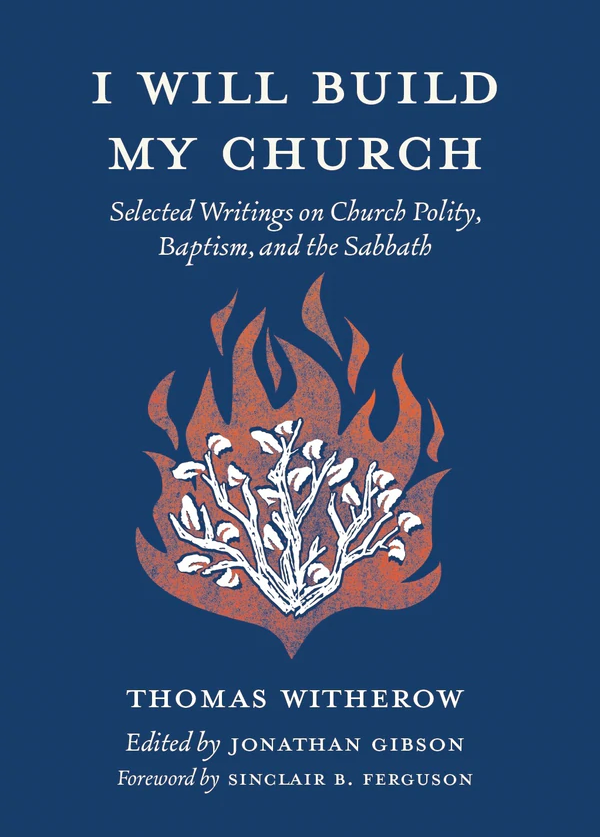
I Will Build My Church: Selected Writings on Church Polity, Baptism, and the Sabbath” by Thomas Witherow

“I Will Build My Church: Selected Writings on Church Polity, Baptism, and the Sabbath” by Thomas Witherow and edited by Jonathan Gibson, published by Westminster Seminary Press, is a compelling and insightful work that delves deeply into crucial aspects of Reformed ecclesiology and sacramental theology. This book provides an extensive examination of church governance, the sacraments, and the observance of the Sabbath, presenting these topics through a meticulously Reformed lens.

The main points of the book revolve around the foundational doctrines of the church’s polity, the proper administration of baptism, and the theological and practical significance of the Sabbath. The author argue for a biblically grounded and historically informed approach to church governance, emphasizing the necessity of adhering to scriptural mandates and the wisdom of the Reformed tradition. They present baptism not only as a sign and seal of the covenant of grace but also as a critical practice that underscores the unity and identity of the church. The Sabbath, according to Witherow, is a divinely instituted day of rest and worship, vital for the spiritual health and discipline of both individuals and the church community.

Witherow credentials lend significant weight to their work. Thomas Witherow, a 19th-century Irish Presbyterian minister and theologian, was a prolific writer on church history and polity. His deep understanding of Reformed theology and his commitment to scriptural fidelity are evident throughout his contributions to this volume. For the editor, Jonathan Gibson, he a contemporary theologian and professor at Westminster Theological Seminary, brings his expertise in biblical and systematic theology to the project. His scholarly rigor and pastoral sensitivity enrich the book, making it both academically robust and practically relevant.

When compared to other works on similar topics, “I Will Build My Church” stands out for its comprehensive treatment and its strong grounding in the Westminster Standards. Unlike some works that may focus narrowly on either the historical or the theological aspects of church polity, baptism, and the Sabbath, this book successfully integrates both dimensions. For instance, works like “The Church and the Surprising Offense of God’s Love” by Jonathan Leeman focus extensively on church discipline and polity from a more contemporary perspective. In contrast, Witherow offers a historically rich and theologically rigorous exposition that remains deeply connected to the Reformed confessional standards.

The content of “I Will Build My Church” is particularly valuable for understanding and applying God’s Word in the context of church life and personal faith. The discussions on church polity emphasize the biblical basis for Presbyterian governance, highlighting the roles of elders and deacons and the importance of orderly and accountable church leadership. These insights are not merely academic but offer practical guidance for organizing and leading church communities in a manner that honors Christ and edifies believers.

The book’s treatment of baptism is another strong point, underscoring its significance as more than a mere practice. The author explore its covenantal aspects, drawing from both Old and New Testament passages to argue that baptism signifies inclusion in the covenant community and participation in the promises of God. This theological depth provides pastors and laypeople alike with a richer understanding of baptism’s meaning and importance.

The author’s exploration of the Sabbath provides a robust biblical and theological rationale for its observance, arguing that the Sabbath is a creation ordinance with ongoing relevance for Christians. By grounding their arguments in Scripture, Witherow offers compelling reasons for why the Sabbath should be observed as a day of rest and worship, contributing to the spiritual well-being of individuals and the church as a whole.

From a practical perspective, this book is immensely useful for pastors. It offers a well-rounded theological foundation that can aid in preaching, teaching, and leading church communities. Pastors can draw on the detailed expositions and historical insights provided to address contemporary issues in church governance, sacramental practice, and Sabbath observance with greater confidence and clarity.

For laymen, “I Will Build My Church” serves as an excellent resource for deepening their understanding of key theological concepts and their application in everyday Christian life. The clear and accessible writing style makes complex theological ideas understandable, encouraging lay readers to engage more deeply with their faith and the practices of their church community.

The book’s cover and binding reflect the seriousness and academic nature of its content. The sturdy binding ensures that it will withstand regular use, making it a durable addition to any personal or church library. The cover design, while simple, is elegant and professional, fitting for a scholarly work of this nature.

In conclusion, “I Will Build My Church” provides a well-rounded and comprehensive understanding of Reformed polity, as well as ecclesiology, and sacramental theology. Its robust historical and theological perspectives make it a valuable resource for both individual study and pastoral use.

Statement of Compliance: “I received ‘I Will Build My Church’ by Westminster Seminary Press for the purpose of an unbiased review. I have not received any compensation for providing a positive review. My opinions are entirely my own and reflect my sincere evaluation of the book.”

Book Details:

  • Title: I Will Build My Church: Selected Writings on Church Polity, Baptism, and the Sabbath
  • Author: Thomas Witherow
  • Editor: Jonathan Gibson
  • Publisher: Westminster Seminary Press

Galatians: Evangelical Biblical Theology Commentary (EBTC) by Matthew S. Harmon

In “Galatians: Evangelical Biblical Theology Commentary,” Matthew S. Harmon provides readers with a comprehensive and accessible exposition of the book of Galatians from an evangelical biblical theology perspective. Harmon skillfully navigates through the intricate theological themes of Galatians, emphasizing the centrality of the gospel message and the believer’s freedom in Christ. Throughout the commentary, Harmon highlights the overarching narrative of redemption and the implications of the gospel for both individual believers and the church as a whole.

Matthew S. Harmon, the author of “Galatians: Evangelical Biblical Theology Commentary,” is an esteemed scholar with extensive credentials in biblical studies and theological education. Holding a Ph.D. from Wheaton College, Harmon is a recognized authority in the field of New Testament studies, particularly in the Pauline epistles. His scholarly expertise, coupled with his commitment to evangelical theology, makes him a reliable guide for readers seeking to engage with the biblical text in a faithful and intellectually rigorous manner.

Compared to other commentaries on Galatians, Harmon’s work stands out for its focus on evangelical biblical theology. While some commentaries may prioritize historical-critical analysis or exegetical detail, Harmon’s approach places a strong emphasis on tracing the theological themes of Galatians and their implications for Christian faith and practice. This theological orientation sets “Galatians: Evangelical Biblical Theology Commentary” apart from other commentaries and makes it a valuable resource for pastors, scholars, and lay readers alike.

Harmon’s commentary delves into the theological heart of Galatians, exploring key themes such as justification by faith, the believer’s union with Christ, and the role of the law in the Christian life. By unpacking these theological concepts, Harmon helps readers understand the significance of Paul’s message for their lives today. Whether grappling with questions of legalism, freedom in Christ, or the nature of gospel ministry, readers will find Harmon’s insights both intellectually stimulating and spiritually enriching.

Throughout his commentary, Harmon demonstrates a deep reverence for Scripture and a commitment to biblical authority. He carefully exegetes the text of Galatians, drawing out its meaning within its historical and literary context. Harmon’s interpretation is grounded in a robust understanding of the biblical narrative and the theological framework of the New Testament. By engaging with the text in this way, Harmon ensures that his commentary remains faithful to the biblical text and relevant to contemporary readers.

“Galatians: Evangelical Biblical Theology Commentary” is a valuable resource for pastors seeking to preach and teach the book of Galatians with depth and clarity. Harmon’s insights into the theological themes of Galatians provide pastors with rich material for crafting sermons and guiding their congregations in the Christian faith. Similarly, lay readers will find Harmon’s commentary accessible and enlightening, offering them a deeper understanding of the gospel message and its implications for their lives.

The cover design and binding of “Galatians: Evangelical Biblical Theology Commentary” are both functional and aesthetically pleasing. The durable binding ensures that the book will withstand regular use, while the cover design reflects the scholarly nature of the content within. While aesthetics are secondary to content, the book’s cover and binding contribute to its overall quality and appeal.

Harmon’s commentary can be effectively used in conjunction with other theological resources to provide readers with a well-rounded understanding of Galatians. Whether studied alongside other commentaries, theological treatises, or biblical studies resources, Harmon’s insights offer readers a deeper appreciation for the theological richness of Paul’s letter to the Galatians. His commentary serves as a valuable addition to any theological library and a trusted guide for engaging with the biblical text.

In “Galatians: Evangelical Biblical Theology Commentary,” Harmon presents readers with a robust framework for understanding the theological message of Galatians and its implications for Christian faith and practice. By tracing the themes of justification, freedom in Christ, and the work of the Spirit throughout the letter, Harmon demonstrates the transformative power of the gospel in the lives of believers and the life of the church. His commentary serves as a theological roadmap for both individual believers and the broader church community, guiding them in their pursuit of faithful discipleship and gospel-centered living.

Statement of Compliance: “I received ‘Galatians: Evangelical Biblical Theology Commentary’ by Lexham for the purpose of an unbiased review. I have not received any compensation for providing a positive review. My opinions are entirely my own and reflect my sincere evaluation of the book.”

Book Details:

  • Title: Galatians: Evangelical Biblical Theology Commentary
  • Author: Matthew S. Harmon
  • Publisher: Lexham

Joshua: Evangelical Biblical Theology Commentary (EBTC) by David G. Firth

In “Joshua: Evangelical Biblical Theology Commentary,” David G. Firth provides readers with a comprehensive exploration of the biblical book of Joshua. Firth delves into the historical, theological, and practical dimensions of Joshua’s narrative, offering insights into its significance for contemporary believers. The commentary highlights key themes such as the covenant faithfulness of God, the conquest and settlement of the Promised Land, and the importance of obedience to God’s commands. Through careful exegetical analysis and theological reflection, Firth illuminates the relevance of Joshua’s story for understanding God’s purposes in history and for shaping the faith and life of God’s people today.

David G. Firth, the author of “Joshua: Evangelical Biblical Theology Commentary,” is a respected biblical scholar with a wealth of academic and pastoral experience. Firth holds a Ph.D. in Old Testament studies and has authored numerous scholarly articles and books on biblical theology. As a committed evangelical Christian, Firth brings a deep reverence for Scripture and a passion for biblical interpretation to his work. His credentials, including teaching positions at reputable theological institutions, attest to his expertise in Old Testament studies and his commitment to faithfully expounding the Word of God.

Compared to other commentaries on the book of Joshua, Firth’s work stands out for its evangelical biblical theology approach. While some commentaries may focus primarily on historical or literary analysis, Firth’s commentary emphasizes the theological significance of Joshua’s narrative within the broader biblical context. This theological perspective allows Firth to draw out the overarching themes and theological motifs present in Joshua’s story, making his commentary valuable for both academic study and spiritual reflection.

Firth’s commentary on Joshua provides readers with valuable insights into the biblical text and its relevance for Christian faith and life. By unpacking the historical context, literary features, and theological themes of Joshua’s narrative, Firth helps readers to understand the text more deeply and apply its teachings to their lives. Whether exploring the concept of divine sovereignty, the nature of covenant relationship, or the importance of faithfulness and obedience, Firth’s commentary offers practical wisdom for navigating the challenges of discipleship and living faithfully in accordance with God’s Word.

Throughout “Joshua: Evangelical Biblical Theology Commentary,” Firth demonstrates a deep respect for the authority and inspiration of Scripture. He engages in careful exegesis of the biblical text, drawing out its meaning and significance through interaction with the original languages and literary context. Firth’s commentary is richly annotated with references to relevant biblical passages, allowing readers to see how Joshua’s narrative connects with other parts of Scripture and contributes to the overarching story of God’s redemptive purposes in history.

For pastors and church leaders, Firth’s commentary on Joshua serves as a valuable resource for sermon preparation, Bible study, and pastoral ministry. Firth’s insights into the theological themes of Joshua’s narrative provide pastors with material for preaching and teaching that is both biblically grounded and theologically rich. Additionally, Firth’s commentary offers practical guidance for applying the lessons of Joshua to the life of the church, whether in the context of worship, discipleship, or mission.

Lay readers will also benefit from Firth’s commentary on Joshua, which presents the biblical text in an accessible and engaging manner. Firth’s clear and concise writing style makes complex theological concepts understandable to a wide audience, allowing laymen to deepen their understanding of the biblical text and its relevance for their lives. Whether used for personal study, family devotions, or group discussion, Firth’s commentary offers lay readers a valuable resource for growing in their knowledge and love of God’s Word.

The cover design and binding of “Joshua: Evangelical Biblical Theology Commentary” reflect the scholarly nature and practical utility of the book. The cover artwork, featuring imagery related to the biblical narrative of Joshua, serves as an inviting entry point into the content of the commentary. The sturdy binding ensures that the book will withstand regular use and remain a durable addition to any theological library.

Firth’s commentary on Joshua can be effectively used in conjunction with other biblical commentaries, theological works, and resources for studying Scripture. Whether read alongside other evangelical commentaries on Joshua, theological treatises on covenant theology, or practical guides for Christian living, Firth’s commentary enriches the reader’s understanding of the biblical text and its implications for faith and practice. By engaging with a variety of perspectives and sources, readers can gain a more comprehensive understanding of Joshua’s narrative and its significance for the Christian life.

In “Joshua: Evangelical Biblical Theology Commentary,” Firth presents a coherent framework for understanding the theological significance of Joshua’s narrative within the context of the broader biblical story. Through careful exegetical analysis and theological reflection, Firth unpacks the themes of covenant, conquest, and obedience that permeate Joshua’s story, highlighting their relevance for understanding God’s redemptive purposes in history. This framework serves as a guide for individual believers and the church as a whole, directing them in their pursuit of faithful discipleship and corporate worship.

Statement of Compliance: “I received ‘Joshua: Evangelical Biblical Theology Commentary’ by Lexham for the purpose of an unbiased review. I have not received any compensation for providing a positive review. My opinions are entirely my own and reflect my sincere evaluation of the book.”

Book Details:

  • Title: Joshua: Evangelical Biblical Theology Commentary (EBTC)
  • Author: David G. Firth
  • Publisher: Lexham

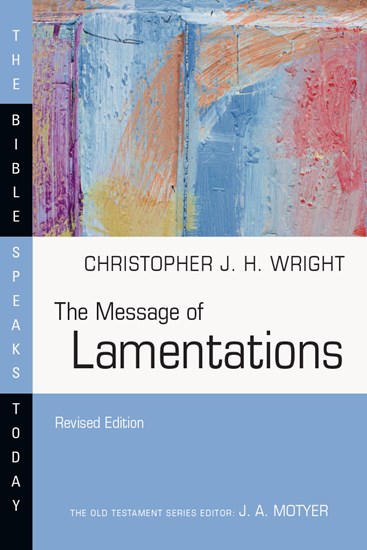
The Message of Lamentations (New Studies in Biblical Theology) by Christopher J. H. Wright

“The Message of Lamentations” by Christopher J. H. Wright offers a profound exploration of the biblical book of Lamentations, delving into its historical context, literary structure, and theological significance. Wright begins by providing an overview of the book’s background, highlighting its lament genre and its placement within the broader biblical narrative. He then proceeds to analyze each chapter of Lamentations, unpacking its themes of suffering, repentance, and hope in the midst of despair. Throughout the book, Wright emphasizes the importance of understanding Lamentations in its historical context while also drawing out its timeless relevance for contemporary readers.

Christopher J. H. Wright, a respected Old Testament scholar and Anglican clergyman, brings a wealth of academic expertise and pastoral insight to his exploration of Lamentations. As the International Ministries Director of Langham Partnership and the author of numerous books on biblical theology, Wright is well-qualified to engage with the complexities of Old Testament texts. His credentials include a Ph.D. in Old Testament studies from the University of Cambridge and extensive experience teaching and preaching in various church contexts. Wright’s approach combines rigorous scholarship with a deep commitment to the authority of Scripture, making his work highly respected within evangelical circles.

In comparison to other books on Lamentations, Wright’s “The Message of Lamentations” stands out for its combination of academic rigor and pastoral sensitivity. While some commentaries may focus primarily on exegetical analysis, Wright’s work goes beyond mere textual interpretation to explore the theological and practical implications of Lamentations for believers today. His emphasis on the book’s themes of lament, repentance, and hope distinguishes his commentary from others and makes it a valuable resource for pastors, scholars, and lay readers alike.

Wright’s exploration of Lamentations offers readers a deep and nuanced understanding of the book’s message and its relevance for Christian life and faith. By examining the various laments found within the book, Wright helps readers to engage with the reality of suffering and to find hope in God’s faithfulness, even in the midst of despair. His analysis of the theological themes of lament, repentance, and restoration provides readers with practical insights into how they can respond faithfully to trials and difficulties in their own lives.

Throughout “The Message of Lamentations,” Wright demonstrates a thorough engagement with the biblical text, drawing upon both historical-critical methods and theological interpretation. He carefully exegetes each passage of Lamentations, paying close attention to its literary structure, linguistic features, and theological themes. Additionally, Wright consistently anchors his interpretation in the broader biblical narrative, demonstrating how Lamentations fits within the overarching story of God’s redemptive work in the world.

For pastors and church leaders, “The Message of Lamentations” serves as a valuable resource for preaching, teaching, and pastoral care. Wright’s insights into the themes of lament, repentance, and hope provide pastors with biblical wisdom and practical guidance for shepherding their congregations through times of trial and suffering. His exegetical analysis and theological reflection offer pastors a solid foundation for crafting sermons and leading Bible studies that address the real-life struggles of their congregants.

Statement of Compliance: “I received ‘The Message of Lamentations’ by IVP for the purpose of an unbiased review. I have not received any compensation for providing a positive review. My opinions are entirely my own and reflect my sincere evaluation of the book.”

Book Details:

  • Title: The Message of Lamentations
  • Author: Christopher J. H. Wright
  • Publisher: IVP

The Glory of God and Paul (New Studies in Biblical Theology) by Christopher W. Morgan and Robert A. Peterson

“The Glory of God and Paul” delves into the theological understanding of the apostle Paul regarding the glory of God as revealed in his writings. Christopher W. Morgan and Robert A. Peterson meticulously examine various passages from Paul’s letters to elucidate his theology concerning God’s glory. The book highlights Paul’s conviction that the ultimate purpose of human existence is to glorify God, and it underscores the centrality of this theme in Paul’s thought and ministry. Through a thorough analysis of Pauline theology, the authors provide readers with a deeper understanding of the glory of God and its significance for Christian life and mission.

Christopher W. Morgan and Robert A. Peterson are both esteemed scholars in the field of biblical theology. Morgan serves as Dean of the School of Christian Ministries and Professor of Theology at California Baptist University, while Peterson is Professor of Systematic Theology at Covenant Theological Seminary. Both authors have extensive experience in teaching and research, with numerous publications to their credit. Their combined expertise in biblical studies and theology lends credibility to their exploration of Paul’s theology of the glory of God.

Compared to other books on biblical theology and Pauline studies, “The Glory of God and Paul” stands out for its comprehensive examination of the theme of God’s glory in Paul’s writings. While some works may focus on specific aspects of Paul’s theology or particular passages, Morgan and Peterson provide a holistic treatment of the subject, drawing from a wide range of Pauline letters. Their approach combines exegetical analysis with theological reflection, offering readers a thorough and integrated understanding of Paul’s perspective on the glory of God.

The content of “The Glory of God and Paul” offers profound insights into the theological richness of Paul’s writings and their relevance for contemporary Christian life. By exploring Paul’s theology of God’s glory, readers gain a deeper appreciation for the overarching purpose of human existence and the transformative power of the gospel. Morgan and Peterson skillfully demonstrate how Paul’s theology of the glory of God informs and shapes the Christian’s understanding of worship, mission, and ethical living. The practical implications of this theology are profound, as it challenges believers to orient their lives toward the glory of God in every aspect.

For pastors and church leaders, “The Glory of God and Paul” serves as a valuable resource for preaching, teaching, and discipleship. By gaining a deeper understanding of Paul’s theology of the glory of God, pastors can effectively communicate the gospel message and equip believers for faithful living. Laymen will also benefit from the book’s accessible presentation of theological concepts, which can enrich their personal study and deepen their walk with God. Whether used for individual reflection or group study, “The Glory of God and Paul” offers practical insights that are relevant to the life of every believer.

The cover design and binding of “The Glory of God and Paul” reflect the scholarly nature of the book while also making it visually appealing and durable. The cover art and typography are tastefully done, drawing readers’ attention to the book’s subject matter. The sturdy binding ensures that the book will withstand regular use and remain a cherished addition to any theological library.

Statement of Compliance: “I received ‘The Glory of God and Paul’ by IVP for the purpose of an unbiased review. I have not received any compensation for providing a positive review. My opinions are entirely my own and reflect my sincere evaluation of the book.”

Book Details:

  • Title: The Glory of God and Paul
  • Authors: Christopher W. Morgan & Robert A. Peterson
  • Publisher: IVP

The Reformed Systematic Theology, Vol. 3 by Beeke, Joel R. & Smalley, Paul

“The Reformed Systematic Theology, Vol. 3” is the culmination of rigorous theological scholarship, presenting a comprehensive examination of key doctrines within the Reformed tradition. Authored by Joel R. Beeke and Paul Smalley, the book delves into topics such as soteriology, ecclesiology, and eschatology, providing readers with a thorough understanding of Reformed theology. The authors draw from the rich theological heritage of the Reformed tradition, grounding their discussions in the Westminster Standards and other confessional documents. Through systematic exposition and careful analysis, Beeke and Smalley offer readers a robust theological framework for understanding the Christian faith.

Joel R. Beeke and Paul Smalley are esteemed Reformed scholars known for their deep theological insight and commitment to the authority of Scripture. Beeke, a prolific author and pastor, serves as president of Puritan Reformed Theological Seminary and is widely respected for his expertise in Puritan theology. Smalley, a seasoned theologian and academic, brings a wealth of knowledge to the project, having taught theology at various seminaries and institutions. Their credentials, rooted in extensive theological training and pastoral experience, lend credibility to their work and ensure its relevance within Reformed circles.

“The Reformed Systematic Theology, Vol. 3” offers readers a wealth of theological insights with practical implications for Christian living. By exploring doctrines such as salvation, the church, and the last things, Beeke and Smalley equip readers with a solid foundation for understanding and applying Reformed theology in their daily lives. Through clear and engaging prose, the authors demonstrate how Reformed theology shapes believers’ understanding of God, themselves, and the world around them. This application-oriented approach ensures that their work is not merely theoretical but deeply relevant to the Christian life.

Throughout “The Reformed Systematic Theology, Vol. 3,” Beeke and Smalley demonstrate a firm commitment to biblical authority, grounding their theological reflections in Scripture. They carefully exegete passages from the Bible to support their doctrinal assertions, ensuring that their teachings remain firmly rooted in God’s Word. This reliance on Scripture underscores the authors’ commitment to the principle of sola Scriptura and serves as a model for contemporary theologians and pastors seeking to uphold the authority of God’s Word in all matters of faith and practice.

“The Reformed Systematic Theology, Vol. 3” can be effectively used in conjunction with other theological works to provide a well-rounded understanding of Reformed theology. Whether studied alongside the Westminster Standards, Calvin’s Institutes, or contemporary theological texts, Beeke and Smalley’s insights offer readers a deeper appreciation for the riches of Reformed tradition. Their work serves as a valuable resource for those seeking to engage with the theological heritage of the Reformed faith and apply its principles to their lives and ministries.

The cover design and binding of “The Reformed Systematic Theology, Vol. 3” reflect the book’s scholarly content and enduring significance. The sturdy binding ensures that the book will withstand regular use, while the elegant cover design conveys a sense of gravitas and importance. While aesthetics are secondary to content, the book’s cover and binding contribute to its overall appeal and durability, making it a valuable addition to any theological library.

Statement of Compliance: “I received ‘The Reformed Systematic Theology, Vol. 3’ by Crossway for the purpose of an unbiased review. I have not received any compensation for providing a positive review. My opinions are entirely my own and reflect my sincere evaluation of the book.”

Book Details:

  • Title: The Reformed Systematic Theology, Vol. 3
  • Authors: Joel R. Beeke & Paul Smalley
  • Publisher: Crossway

The Shorter Writings of George Gillespie, Vol. 3

*I have a personal confession: I have been looking forward to this volume for quite some time, and it has surpassed all expectations. The RHB’s collaboration with Naphtali Press for its Special Editions usually are top-notch, but this one exceeds them all and is a fitting end to the Shorter Writings of George Gillespie*

“The Shorter Writings of George Gillespie, Vol. 3” offers a comprehensive collection of theological essays and treatises from the renowned Scottish theologian George Gillespie. Spanning various topics ranging from ecclesiology to worship, the book provides readers with insights into Gillespie’s profound understanding of Reformed theology. Central themes include the sovereignty of God, the nature of the church, and the principles of worship, all viewed through the lens of what would later be known as Westminster Standards. Gillespie’s writings serve as a valuable resource for those seeking to deepen their understanding of Reformed theology and its practical implications. The crown jewel of this work is his diary of the proceedings of the Westminster Assembly, which offers a rare glimpse into the debates that were held and which specific Puritans held certain arguments.

For a little more about the author, George Gillespie was a prominent figure in the seventeenth-century Scottish church, known for his exceptional intellect and unwavering commitment to Reformed theology. As a minister, theologian, and member of the Westminster Assembly, Gillespie played a significant role in shaping the doctrinal landscape of Presbyterianism. His credentials include a thorough education in theology and philosophy, as well as extensive experience in pastoral ministry and ecclesiastical affairs. Gillespie’s writings reflect his deep theological insight and practical wisdom, making him a trusted authority in Reformed circles.

Gillespie’s writings offer readers a rich theological feast, covering a wide range of topics relevant to Christian life and practice. His insights into the nature of the church, the role of the magistrate, and the principles of worship provide readers with a solid foundation for understanding and applying Reformed theology in their daily lives.

“The Shorter Writings of George Gillespie, Vol. 3” serves as a valuable resource for pastors and church leaders seeking to deepen their theological understanding and ministerial effectiveness. Gillespie’s insights into ecclesiology, worship, and pastoral ministry offer practical guidance for navigating the complexities of pastoral life. Pastors can draw upon Gillespie’s wisdom to address theological questions, shepherd their congregations, and promote biblical fidelity in their ministry contexts.

The cover design and binding of “The Shorter Writings of George Gillespie, Vol. 3” reflect the book’s scholarly content and historical significance. While the design is bland, which I think was the intention, the sturdy binding ensures that the book will withstand regular use and remain a cherished addition to any theological library. While aesthetics are secondary to content, the book’s cover and binding contribute to its overall appeal and durability.

Statement of Compliance:
“I received ‘The Shorter Writings of George Gillespie, Vol. 3’ by Reformation Heritage Books and Naphtali Press for the purpose of an unbiased review. I have not received any compensation for providing a positive review. My opinions are entirely my own and reflect my sincere evaluation of the book.”

Book Details:

Title: The Shorter Writings of George Gillespie, Vol. 3
Author: George Gillespie
Publisher: Reformation Heritage Books and Naphtali Press

« Older posts Newer posts »

© 2026 The Puritan Reader

Theme by Anders NorenUp ↑